
Last updated November 16, 2026
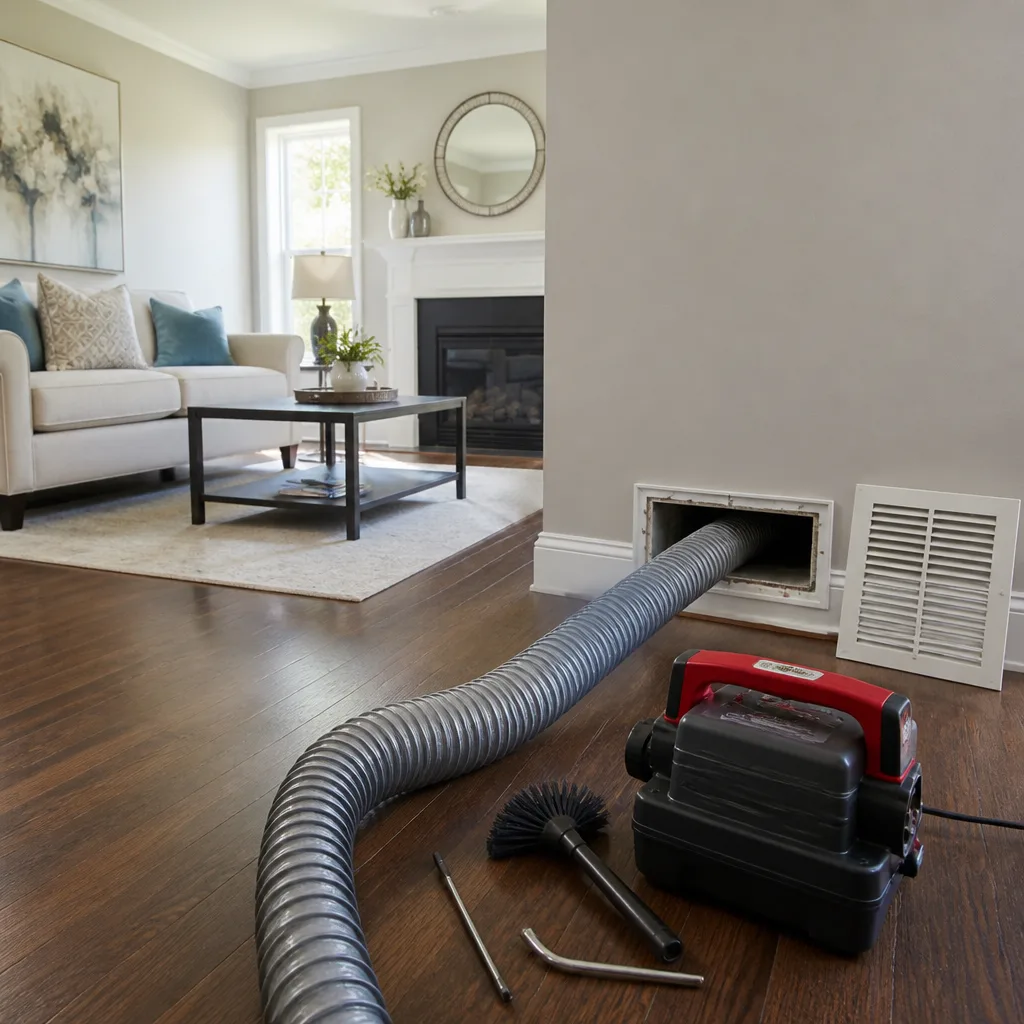 Whole-home duct cleaning
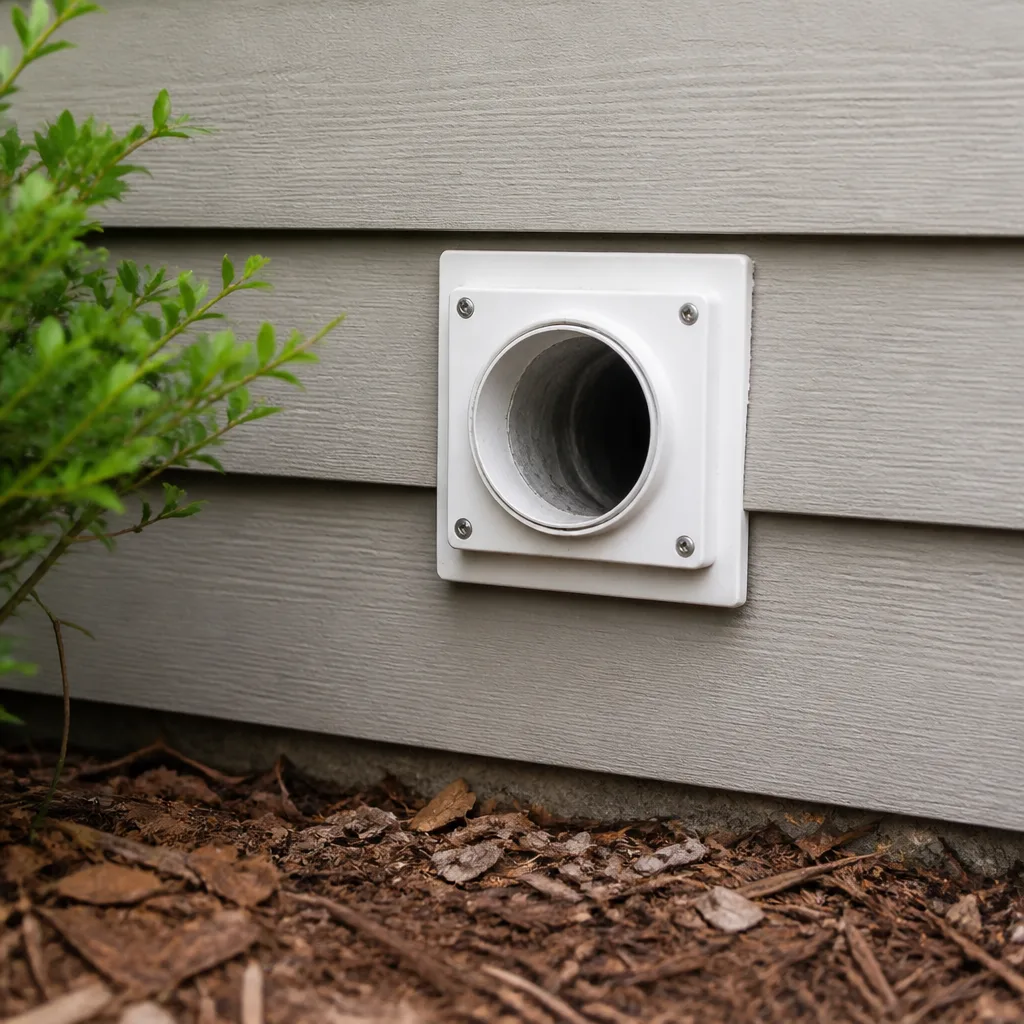 Dryer vent cleaning
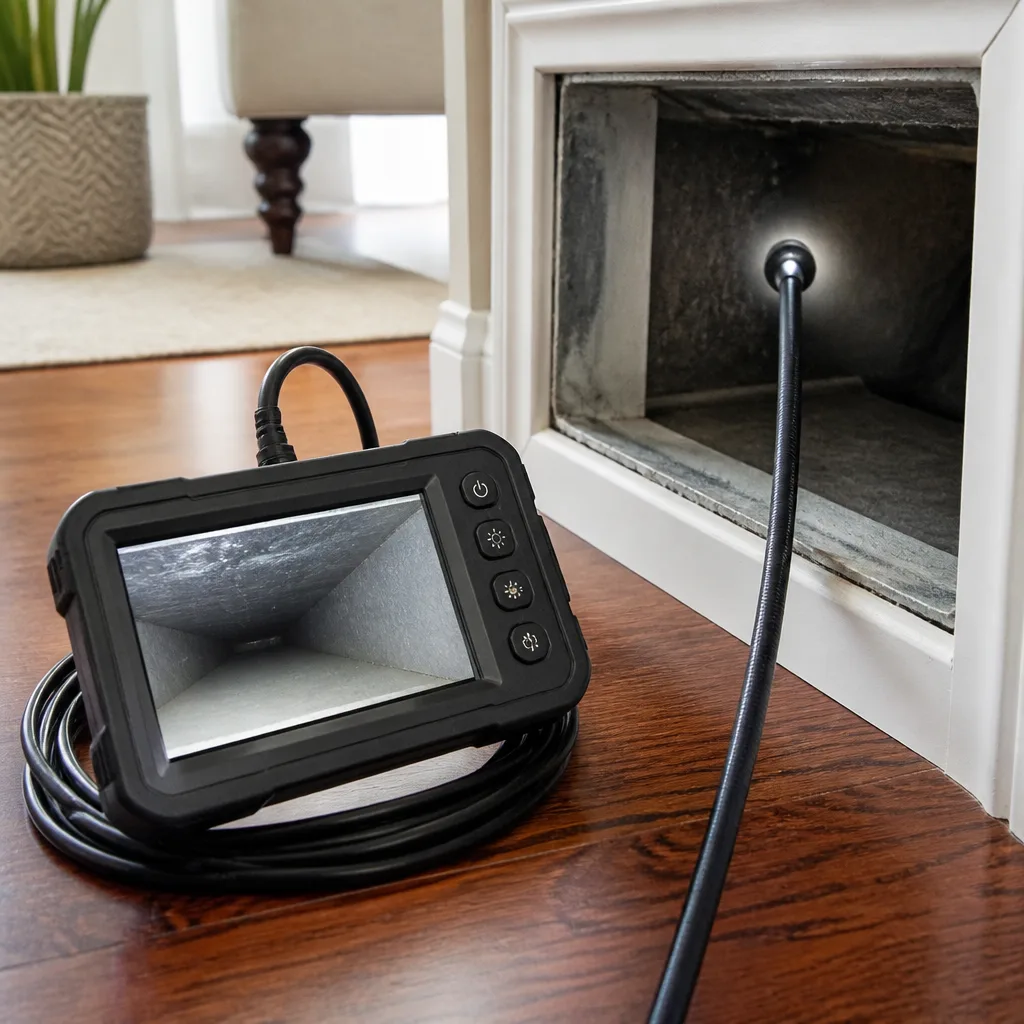 Camera inspection
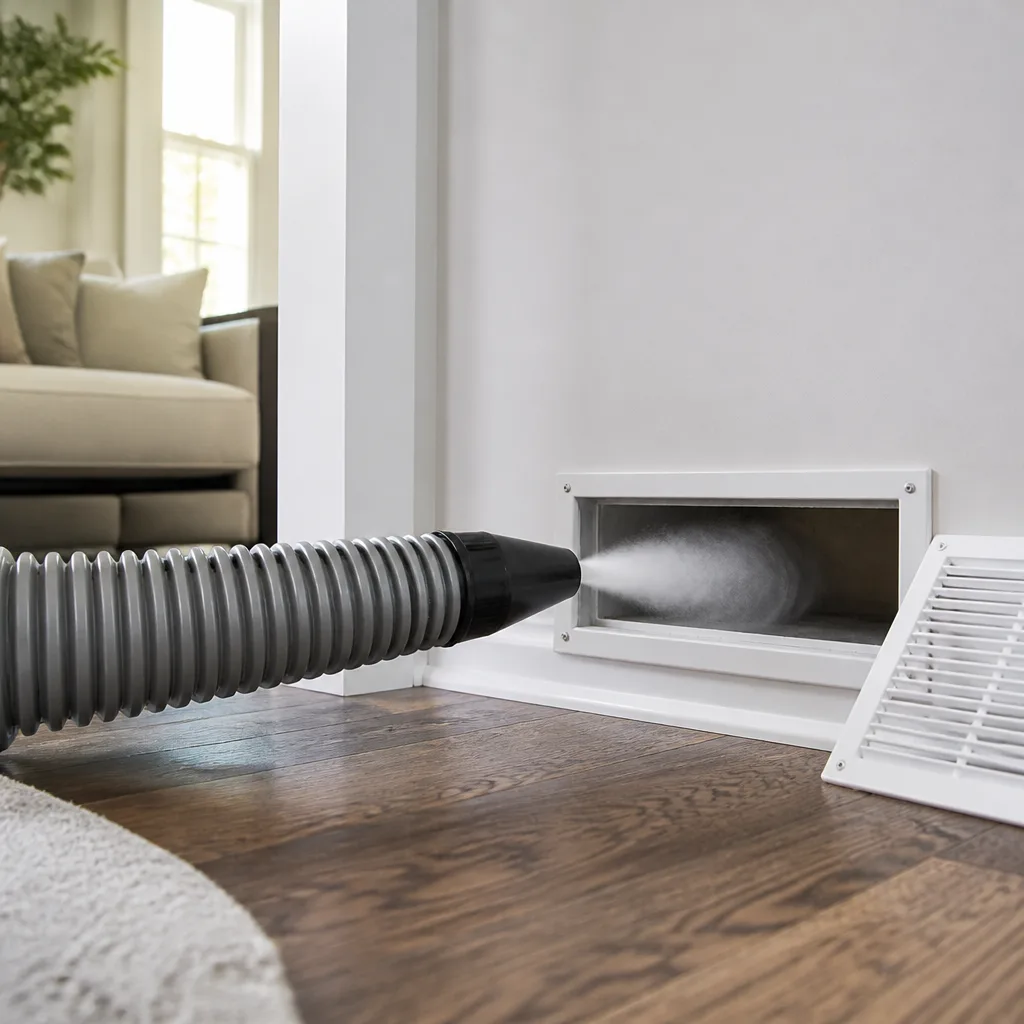 Sanitizing & deodorizing
Whole-system duct and dryer vent check with before-and-after photos - you see exactly what came out of your vents
That "$99 whole-house special" is a bait ad - the real number appears once they are in your hallway, or the "clean" is a shop-vac at the register. We photograph the inside of your ducts before and after instead.
Choosing the Right Air Duct Cleaning Brand: A Buyer’s Guide for Port St. Lucie
Most homeowners choose a duct cleaning company by comparing coupon prices. That’s backwards. The brand on the machine matters more than the number on the flyer, because equipment determines whether a crew can physically reach and extract what’s built up inside your ducts. Rotobrush, Nikro, and Abatement Technologies aren’t interchangeable logos. They’re different tools built for different jobs, and a company that owns only one of them is quietly telling you the limits of what it can do. In this guide we’ll break down what each system actually does, how Port St. Lucie’s duct layouts change the answer, and the questions that separate a real equipment owner from a name-dropper.
Quick Answer
The “best” air duct cleaning equipment brand depends on the job, but professional-grade work usually involves three distinct tools: a Rotobrush-style brush agitation system for scrubbing duct walls, a Nikro or comparable HEPA vacuum for negative-air containment, and an Abatement Technologies-grade filtration setup for capturing fine particulate. A company that owns all three can handle a wider range of duct configurations than one that owns a single machine. Ask what they’ll bring to your specific system before you book.
Styles & brands we work with
- Whole-home duct cleaning
- Dryer vent cleaning
- Camera inspection
- Sanitizing & deodorizing
Table of Contents
- Why Equipment Defines the Scope of the Job
- What Rotobrush Systems Actually Do
- Nikro HEPA Vacuums and Why CFM Matters
- Abatement Technologies and Containment
- Why Port St. Lucie’s Flex-Heavy Construction Changes the Game
- Why Multi-Tool Companies Serve More Duct Layouts
- Questions That Reveal Real Equipment Ownership
- IAQ Upgrades: Aprilaire, Guardsman, and What Fits Your System
Why Equipment Defines the Scope of the Job
Air duct cleaning isn’t one operation. It’s several. Debris has to be loosened from the duct walls, captured in a container that doesn’t let it escape back into the house, and filtered to a degree that keeps fine particles out of the living space. Each of those steps requires different equipment, and a company that can only perform one of them is effectively doing a partial job.
Think about what a vacuum alone can accomplish. A shop-vac pulls loose material off the floor of a duct, but it doesn’t scrub the biofilm that clings to the walls. A brush alone does the opposite: it agitates material into the air without a robust capture system behind it. And without negative-air containment, any dislodged contaminants can recirculate into other rooms of your home. That’s why the professionals who do remediation-grade work use a coordinated toolset, not a single brand logo on the side of a van.
In Port St. Lucie, we see this play out especially often in homes built during the last fifteen to twenty years. The duct layouts there are typically flex-heavy, which means the equipment needs to work in long, ribbed runs where debris settles in the corrugations. A brush system that can articulate through flex duct and a vacuum with enough CFM to pull material out of a twenty-foot run are genuinely different requirements than what a rigid-metal install in an older house demands. The equipment spec should follow the duct, not the other way around.
What “professional-grade” actually means
The phrase gets thrown around loosely. In practice, professional-grade duct cleaning equipment has three characteristics:
- It agitates duct surfaces. Brushes, air whips, or mechanical contact that physically loosens material from the interior wall.
- It contains the dislodged material. HEPA filtration and negative pressure keep captured debris from re-entering the home’s air.
- It scales to the system size. A 4-ton system in a 2,500-square-foot home in Port St. Lucie needs more vacuum capacity than a small condo unit.
If a quote doesn’t mention any of those three things, the equipment likely doesn’t deliver them. That’s not a criticism of the company necessarily, but it is information you can use before you book.
What Rotobrush Systems Actually Do
Rotobrush is a brush-contact cleaning system. A rotating brush head travels through the duct, making physical contact with the interior walls while an integrated vacuum captures what the brush loosens. It was developed specifically for residential duct cleaning, and it’s the tool most often associated with the “source removal” approach that NADCA-style standards advocate.
Here’s the key distinction. A blower or negative-air approach can pull loose dust out of a duct, but it can’t remove material that’s adhered to the walls. The Rotobrush system is designed to do that adhesion work, especially in flex duct where dust and debris settle into the ribbing. In a Port St. Lucie home with long, flexible runs to bedrooms and a central return, that contact cleaning matters. The alternative is a service that “looks cleaner” from the outside without any real change to what’s inside the duct.
Which ducts Rotobrush systems handle well
- Flexible duct runs common in modern Port St. Lucie construction
- Rigid metal trunk and branch lines
- Return air chases and plenum connections
- Short transitions and offsets where debris tends to accumulate
Rotobrush isn’t the answer for every single configuration. Very tight elbows and heavily damaged sections sometimes require a different approach, which is why a company that owns multiple systems can be more useful than a company that owns one.
Nikro HEPA Vacuums and Why CFM Matters
Nikro is a manufacturer of HEPA-filtered vacuum equipment, and in duct cleaning, the vacuum is the whole ballgame. A brush that loosens debris into a duct with no capture system behind it is doing more harm than good. The Nikro rig is built to generate enough airflow (measured in CFM, or cubic feet per minute) and enough filtration to hold onto whatever the brush dislodges.
Why does CFM matter in Port St. Lucie specifically? Because a lot of the housing stock here trends toward larger square footage with long duct runs. A 2,400-square-foot home with a central return and multiple branches can have a hundred linear feet of ductwork or more. A vacuum that pulls 300 CFM at the nozzle will struggle to keep up with a brush in that kind of system. A higher-CFM machine paired with a properly sized HEPA filter keeps the pressure differential where it needs to be: negative inside the duct, neutral in the room.
That’s also the fixture that makes the difference for owners with allergies or asthma. A HEPA filter rated for fine particulate traps the kind of material that stays suspended in air after a standard vacuum runs. If anyone in the house reacts to dust or pollen, the CFM-and-HEPA combination is the spec that matters more than whether the truck says “professional” on the side.
What to ask about vacuum equipment
- What’s the CFM rating on the vacuum? Higher is better for longer ducts.
- Is the filter HEPA-rated, or just a bag-style filter?
- Will you be running negative pressure on the whole system or just locally?
- How do you verify the capture is working? (Ask about a smoke test or a pressure gauge.)
Companies that own Nikro-class equipment can usually answer all four without hesitation. If they can’t, the vacuum probably isn’t in the same league.
Abatement Technologies and Containment
Abatement Technologies builds negative-air machines and HEPA air scrubbers that are common in restoration and remediation work. In duct cleaning, that equipment does one specific thing: it establishes negative pressure in the working zone so that any contaminants stirred up by the cleaning process get pulled toward the machine, not into other rooms of your home.
Picture the alternative. A crew arrives without containment, opens a register in the living room, and starts brushing. Dislodged material drifts into the room, settles on furniture and surfaces throughout the house. The duct behind the register gets cleaner, but the house doesn’t. That’s why we run Abatement Technologies equipment on our jobs; it keeps the mess inside the working zone rather than blowing it through the house.
This matters more in Port St. Lucie than the equipment brochures let on, because the humidity here keeps fine dust and organic material clinging to surfaces longer. Once airborne, that debris stays aloft for hours and resettles across the home. Containment cuts the resettling problem at the source.
The Abatement approach, step by step
- Establish negative pressure in the duct system before any cleaning begins.
- Position HEPA air scrubbers in the primary work zone to capture airborne particulate.
- Seal registers and open ends so the only air path in is through the machine.
- Begin agitation and vacuum extraction once containment is verified.
That sequence is not negotiable. Skip step one and the rest of the job doesn’t perform the way it should. It’s also the step most often skipped by low-cost operators who haven’t invested in the equipment.
Why Port St. Lucie’s Flex-Heavy Construction Changes the Game
Port St. Lucie has grown quickly, and much of its housing stock reflects the construction methods that dominated Florida builds over the past two decades. Flexible duct has been standard in many of those installs because it’s faster to run and cheaper than rigid metal, especially in the slab-on-grade, single-story layouts that are common here.
Flex duct has real advantages. It’s quieter, it insulates better than bare metal in the attic heat, and it can be routed around structural elements. But it also has a characteristic that matters for cleaning: the interior surface is ribbed, and those ribs catch fine debris. Over time, dust and organic material build up in the corrugations in a way that doesn’t happen on smooth rigid metal. A brush-contact system with an integrated vacuum is the tool best suited to that specific geometry, and a plain air-jet blower will often just redistribute what’s already there.
The attic-looped runs typical of Port St. Lucie homes also put more footage on the vacuum. Attic routing means longer runs between the air handler and the farthest register, and long runs drop CFM at the nozzle. The higher the system’s airflow capacity, the more consistent the cleaning quality is across the whole house. That’s not a marketing claim; it’s physics.
If you want a service that handles this specific duct geometry well, that’s the conversation to have with whatever company you hire. The right answer isn’t the brand on the truck. It’s the spec of the equipment the technician walks in with.
Why Multi-Tool Companies Serve More Duct Layouts
A single-tool operator works best in one configuration. The company that owns a brush system, a high-CFM HEPA vacuum, and negative-air containment can work across all of them. That’s the reason we carry all three, and it’s the standard to hold any company to.
Consider the common Port St. Lucie layouts:
- Single-story flex-heavy home: brush agitation through long ribbed runs paired with high-CFM HEPA extraction.
- Two-story home with mixed rigid and flex: articulation through rigid trunk lines and contact cleaning through the flex branches.
- Property manager’s multi-unit portfolio: repeatable containment process that doesn’t drift into adjacent units.
Each of these layouts stresses a different part of the equipment set. A company with only a blower-style tool has no reliable answer for the flex-heavy home. A company with only a small vacuum has no answer for the two-story house. A company without containment equipment has no answer for the property manager who needs a clean process across multiple units in one visit.
That breadth matters when it’s time for repair work, too. Air duct repair, not just cleaning, is a service most standalone duct-cleaning crews don’t offer. When the technician doing the cleaning can also address a disconnected section, a torn flex run, or a crushed duct, you’re not scheduling a second visit and hoping the second company agrees with the first about what’s wrong. We handle air duct cleaning and repair on the same visit; if something needs more than cleaning, we can tell you exactly what it is and what it costs.
Questions That Reveal Real Equipment Ownership
Any company can say “we use professional-grade equipment.” Fewer can answer specific questions about their setup without stumbling. Here’s a script you can use when you’re calling around Port St. Lucie.
- What’s the CFM rating on your vacuum? A real answer involves a number and probably a manufacturer name. A vague answer is a red flag.
- What kind of brush head do you use, and does it articulate flexible duct without tearing it? Brush-contact work in flex duct requires a soft-bristle head and a technician who knows how to keep it from snagging the reinforcing wire.
- Do you run negative pressure in the system during cleaning? Yes or no. A “kind of” answer usually means no.
- Is the HEPA filter on the vacuum a true HEPA rating or a bag filter? The difference affects what ends up back in your air.
- What does your containment setup look like? Where do the air scrubbers go? How are the registers sealed?
- Do you offer repair, or only cleaning? If a duct is torn or disconnected, can they fix it on the same visit?
- Can I see before-and-after photos of my own ducts? This is the least expensive ask on the list and the most informative. Any company doing the real work should be able to show you.
Those seven questions separate equipment owners from name-droppers in about five minutes. Use them. The answers matter more than the price on the flyer.
IAQ Upgrades: Aprilaire, Guardsman, and What Fits Your System
Cleaning is a starting point, not the finish line. Once the ducts are clean, the question shifts to filtration, and that’s where the equipment a company carries as product lines (versus just cleaning tools) becomes useful. Aprilaire and Guardsman make filtration and air-quality products designed to work inside residential duct systems. A company familiar with those lines can recommend the right filter cabinet, media filter, or make-up air accessory for the system in front of them.
Why this matters in Port St. Lucie: year-round cooling means the system runs almost continuously in the summer. A standard 1-inch fiberglass filter is a poor match for that duty cycle. A media filter cabinet sized correctly to the air handler will capture far more particulate without choking the airflow, and it’ll do that for months of steady running. Knowing which Aprilaire or Guardsman model fits your air handler and static pressure budget is the kind of thing a duct-system specialist can answer on-site. A generalist HVAC company might sell you the filter but not the duct cleaning first, and a discount duct cleaner probably won’t bring the topic up at all.
If the ducts are clean and the filter media is right, the next question is whether there are any leaks. Duct leakage in the attic, which is common in Port St. Lucie’s typical layouts, pulls unfiltered attic air into the supply side. A technician who’s already inside the system can spot a disconnected joint and either repair it or flag it. That’s the advantage of a company that does both cleaning and repair.
The full picture of what we cover is on the Hometown Air Duct Cleaning main page. The one-line version: one visit, one crew, cleaning plus repair plus filtration advice. Our technicians have up to 15 years of experience working on duct systems in this climate, and we bring the equipment to handle the job that’s actually in front of us.
Common Mistakes to Avoid
- Choosing on coupon price alone. The coupon price is a hook; the real invoice is what matters. A low teaser often becomes a much larger bill once the technician is on-site, usually because the “base” price only covers a fraction of the vents or a single trunk line. Ask for one flat price per system before work starts.
- Hiring a generalist who cleans ducts as an add-on. An HVAC installer is qualified for equipment, not necessarily for source-removal duct cleaning. The reverse is also true: a duct specialist shouldn’t quote you an HVAC replacement. Match the specialist to the job.
- Skipping the containment conversation. A crew without negative-air containment will stir up debris that resettles across the house. In Port St. Lucie’s humidity, that dust stays airborne longer and settles deeper into fabrics and surfaces.
- Accepting “we clean all your vents for one price” without a system-level scope. Per-vent pricing is a red flag. A real duct cleaning covers the trunk lines, the branches, the air handler connection, and the return. Vent count is a billing model, not a service definition.
- Not asking about repair capability. If the cleaning reveals a torn flex run or a disconnected joint, a clean-and-leave crew will document the problem and hand you a card for someone else. A specialist can fix it on the same visit.
- Assuming dryer vent cleaning is optional. The dryer vent is a fire-safety system, not a maintenance chore. A clogged vent is one of the more common causes of residential fires, and it’s a service worth doing on its own schedule. See our page on dryer vent cleaning for the full picture.
- Booking without asking for before-and-after photos of your own ducts. The easiest way to know the work was actually done is to see the interior of your own ductwork, at your own address, before and after. If a company can’t produce photos, they can’t prove the work.
See the difference
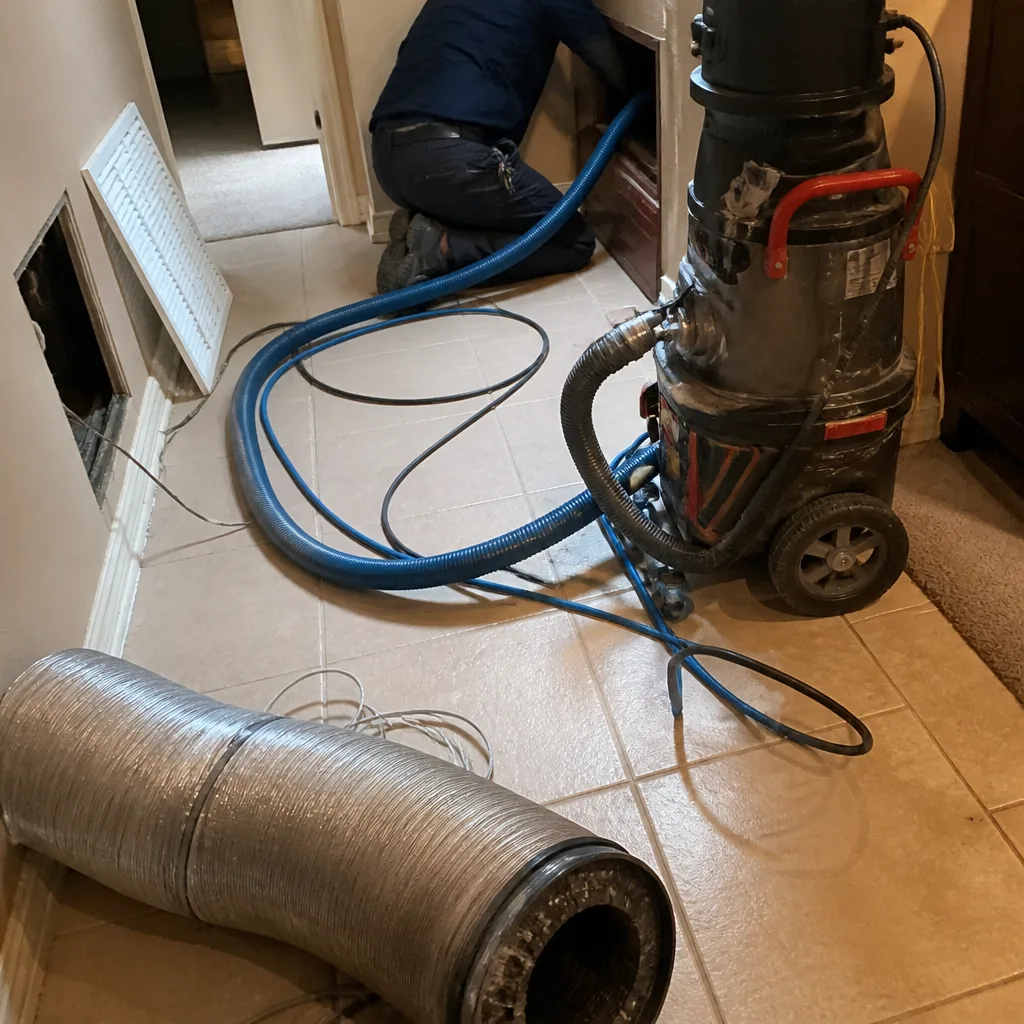 Before
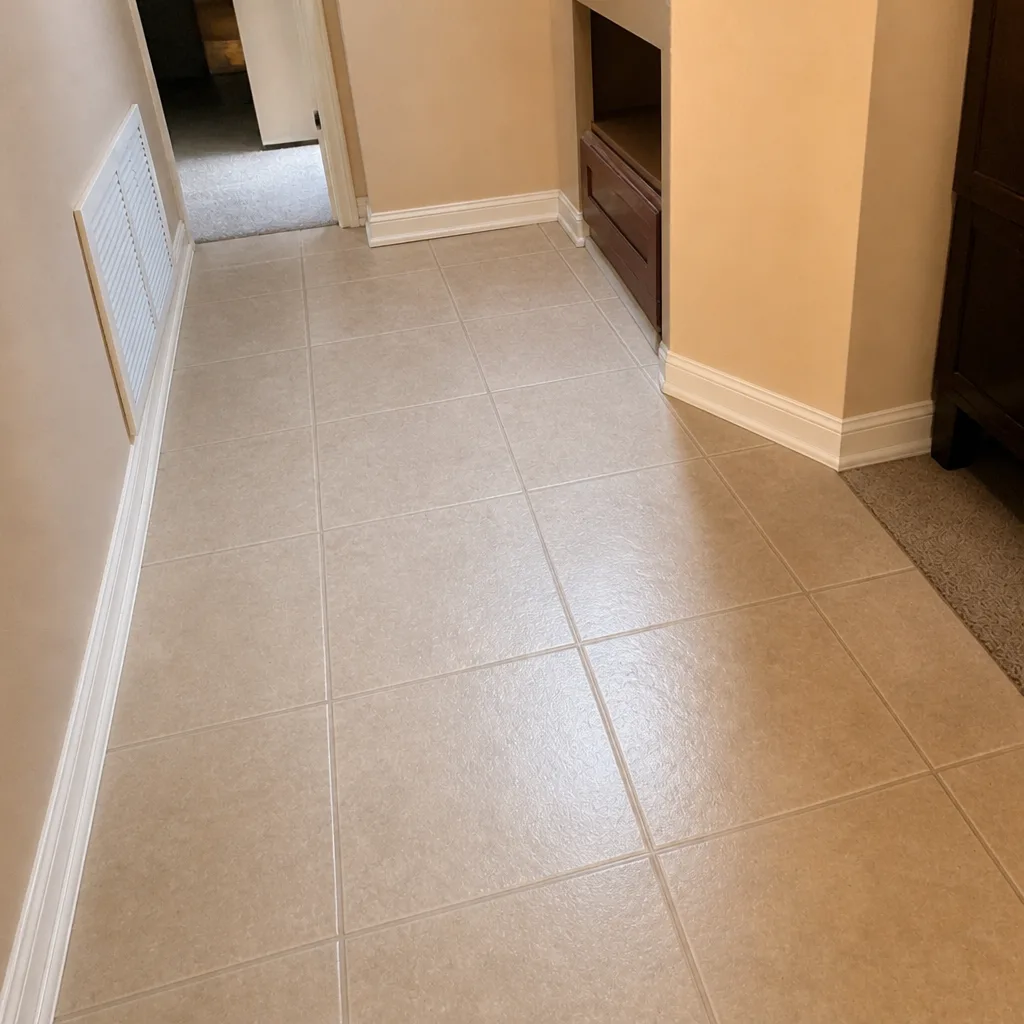 After
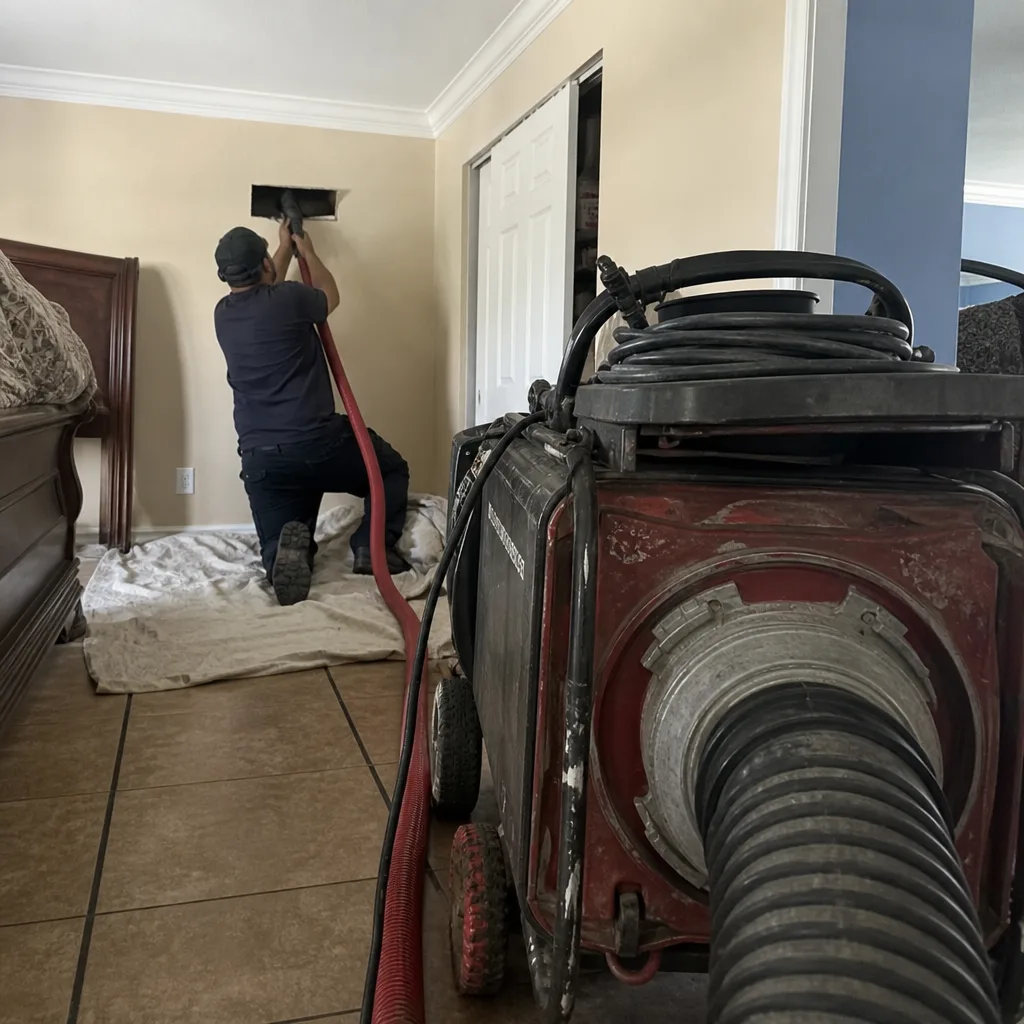 Before
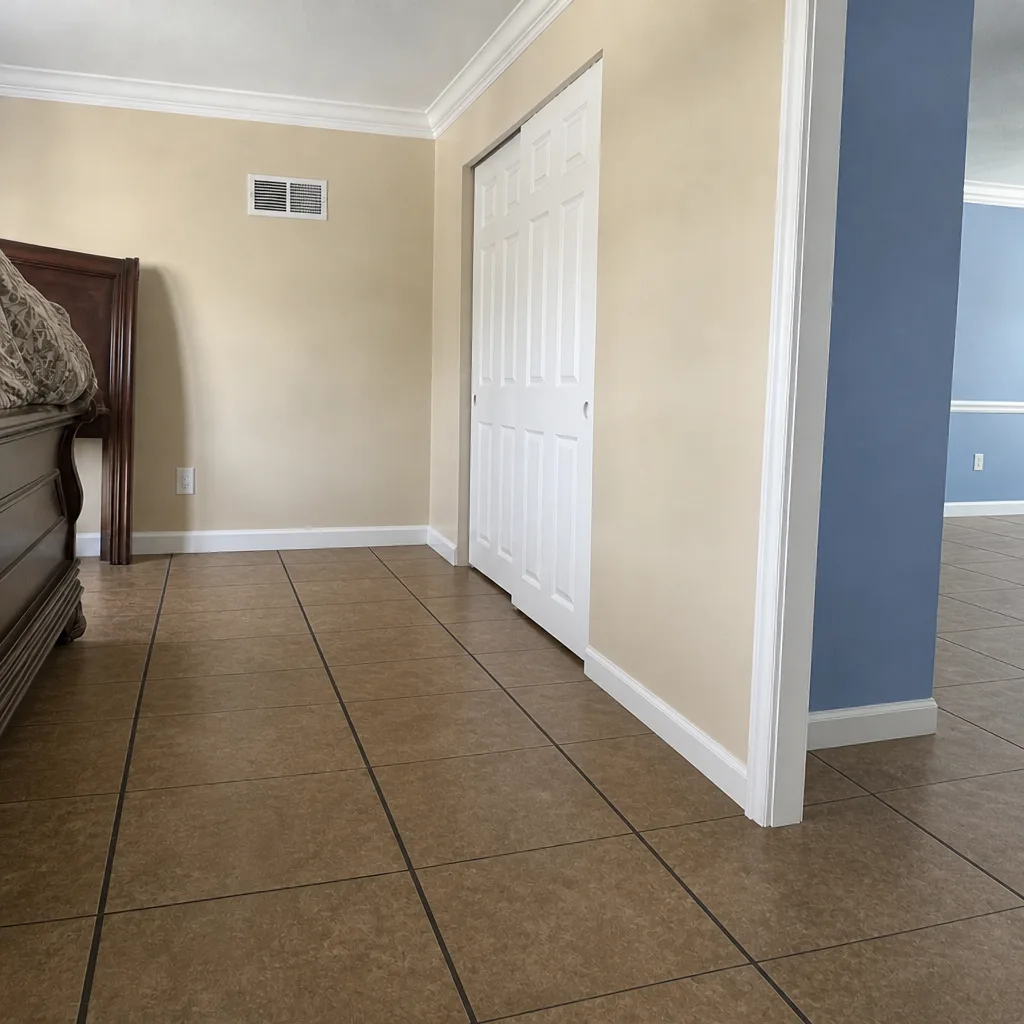 After
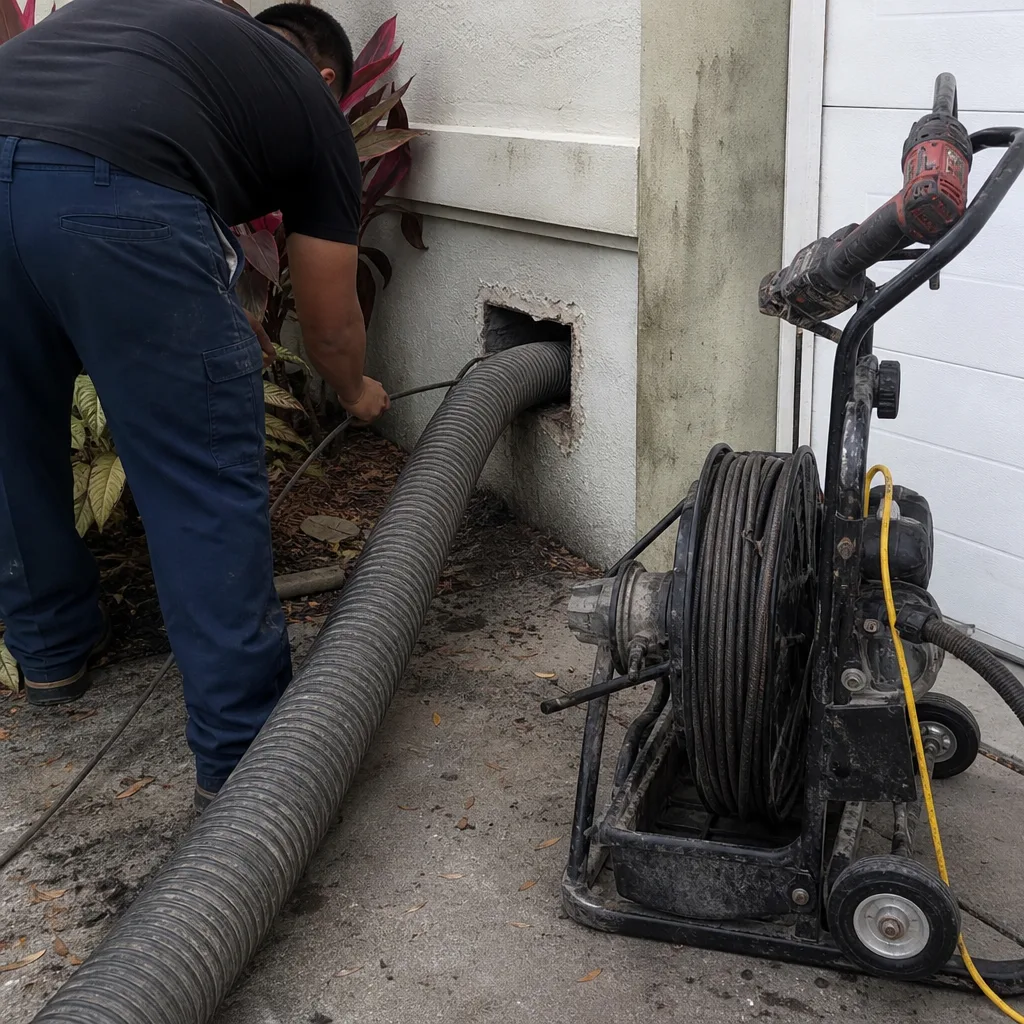 Before
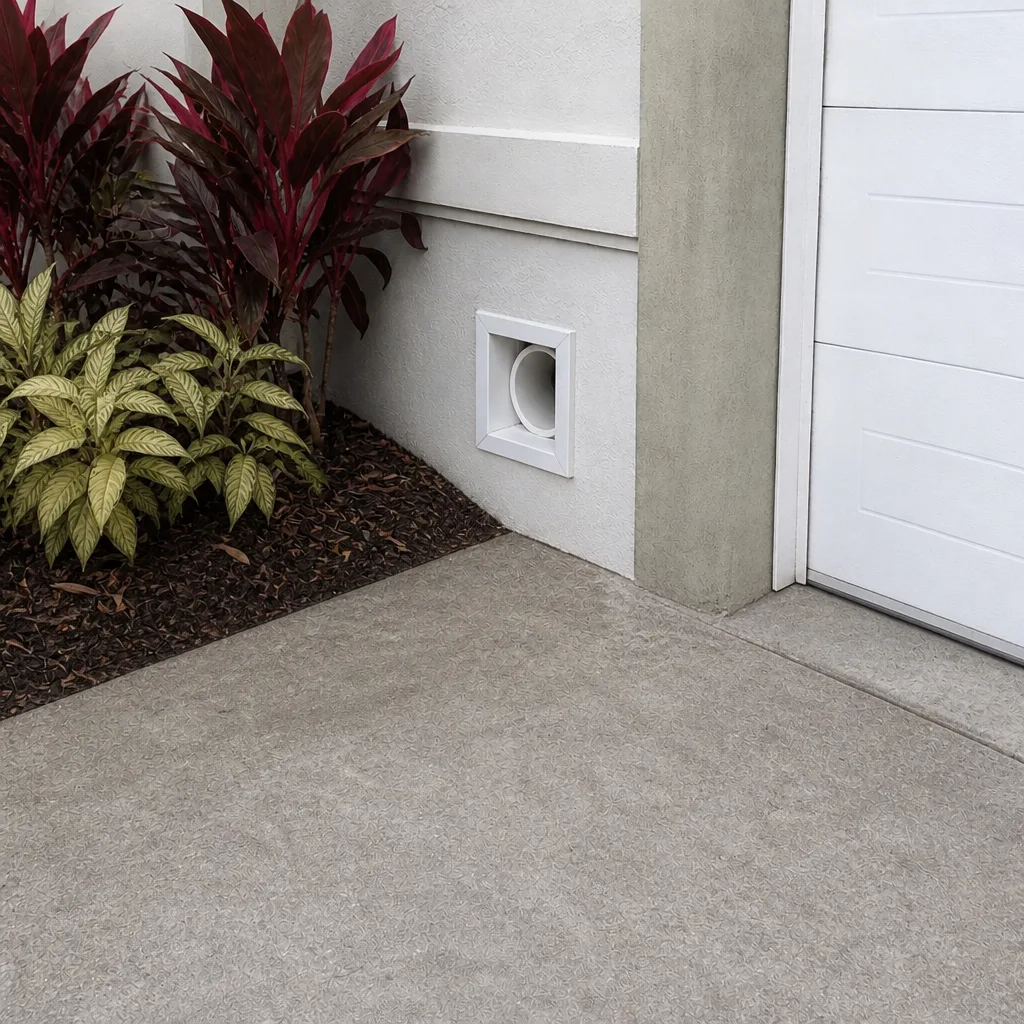 After
When to Call a Professional
Some duct issues are obvious. Visible dust blowing out of registers right after the system starts is a strong signal. So is a noticeable musty smell that returns every time the AC kicks on. If anyone in the house has allergies or asthma that worsen when the system runs, that’s another cue to have the system inspected. A remodel that left construction dust in the return plenum is a clear case for cleaning, and a dryer that takes twice as long to dry a load often has a clogged vent rather than a failing dryer.
The cases we’d flag as urgent are the ones inside the duct itself: a visible tear in a flex run, a disconnected joint, or a crushed section that’s restricting airflow. Those aren’t cleaning problems; they’re repair problems, and they’ll get worse the longer they sit. If your system is in a Port St. Lucie home and it’s been more than a few years since anyone looked inside it, a professional inspection is a low-cost way to find out where you stand.
Hometown Air Duct Cleaning offers free estimates in Port St. Lucie. We walk the system, show you what we find, and give you one flat price per system agreed before work starts. Call (866) 502-9547. We answer 24/7. Fast dispatch from 7am to 7pm, Sunday through Friday.
Frequently Asked Questions
Rotobrush, Nikro, and Abatement Technologies are the three brands most commonly associated with professional-grade residential duct cleaning because they cover the three core functions: brush agitation, high-CFM HEPA vacuum extraction, and negative-air containment. Aprilaire and Guardsman round out the equipment list when filtration upgrades are part of the visit. The best combination depends on your specific duct layout, but a professional-grade job almost always involves all three of those core functions. Call (866) 502-9547 if you want to talk through what your system needs; the estimate is free.
It covers the brush-contact cleaning, but not the vacuum and containment side by itself. Rotobrush systems are typically paired with a separate high-CFM HEPA vacuum and, for full containment, an Abatement Technologies or equivalent air scrubber. That’s the standard professional setup. A company that only owns the Rotobrush and runs it off a shop vacuum is doing partial work. Ask about the vacuum and containment equipment before you book.
CFM, or cubic feet per minute, is the vacuum’s airflow capacity, and it needs to stay high enough at the nozzle to keep pulling debris out of long flex runs. Port St. Lucie’s flex-heavy construction means many homes have longer, ribbed duct runs with more surface area to clean. A higher-CFM machine paired with a true HEPA filter keeps the negative pressure where it needs to be across that whole run. Call (866) 502-9547 to talk through your specific layout.
It depends on the size of the system, the number of duct runs, and whether the job also needs repair work. Per-vent pricing sounds simple but usually hides the real scope; a “one price per vent” quote often doesn’t cover the trunk lines, the plenum, or the return runs. We give one flat price per system, agreed in writing before work starts, and follow it up with before-and-after photos of your own ducts. Call (866) 502-9547 for an exact quote; the estimate is free.
Usually because the equipment isn’t in the same category, or the scope is narrower than you’re imagining. A quote near the bottom of the market often corresponds to a single-tool operator with no containment equipment, or a per-vent scope that doesn’t cover the whole system. That’s not to say expensive is automatically better, but a quote that includes brush agitation, HEPA vacuum extraction, negative-air containment, and repair capability costs more to deliver than one that doesn’t. Ask what’s covered before comparing price. Call (866) 502-9547 for a written scope and estimate.
Either can, but a duct-system specialist is the better fit if you suspect a real cleaning need. Generalist HVAC companies sometimes offer duct cleaning as an add-on using a shop vacuum or a light blower tool, which doesn’t remove adhered material from duct walls. A specialist who owns the full equipment set will clean more thoroughly, and can usually repair what’s found on the same visit. If you’re in the Port St. Lucie area, call (866) 502-9547 and we’ll walk through what your system actually needs.
Ask for before-and-after photos of your own ducts, at your own address, on the same visit. Any company doing real brush-and-vacuum work can show the interior condition before and after; a company that can’t is either not removing anything meaningful or isn’t documenting the work. Photos of your system are a reasonable expectation, and we confirm it up front. Call (866) 502-9547 to schedule and see exactly what we mean.
The Bottom Line
Equipment brand in duct cleaning is a functional specification, not a marketing tagline. Rotobrush handles brush agitation, Nikro or an equivalent HEPA vacuum handles extraction and capture, and Abatement Technologies or an equivalent scrubber handles containment. Together, those three systems let a crew work across the flex-heavy, long-run duct layouts that dominate Port St. Lucie homes. A company with only one of them has limited reach. A buyer’s best move is to ask the seven questions above, look for one flat price per system, and expect before-and-after photos of your own ducts. If a company can’t deliver on all three, keep looking.
If you’re ready to book, call (866) 502-9547. We answer 24/7. Fast dispatch from 7am to 7pm, Sunday through Friday. The estimate is free, the price is set per job in writing before any work begins, and every visit starts with a walkthrough of your system.
If you’d like to see how we approach the work across the Port St. Lucie area, that page covers the neighborhoods and homes we work in most.
Written by the team at Hometown Air Duct Cleaning.