
Last updated November 16, 2026
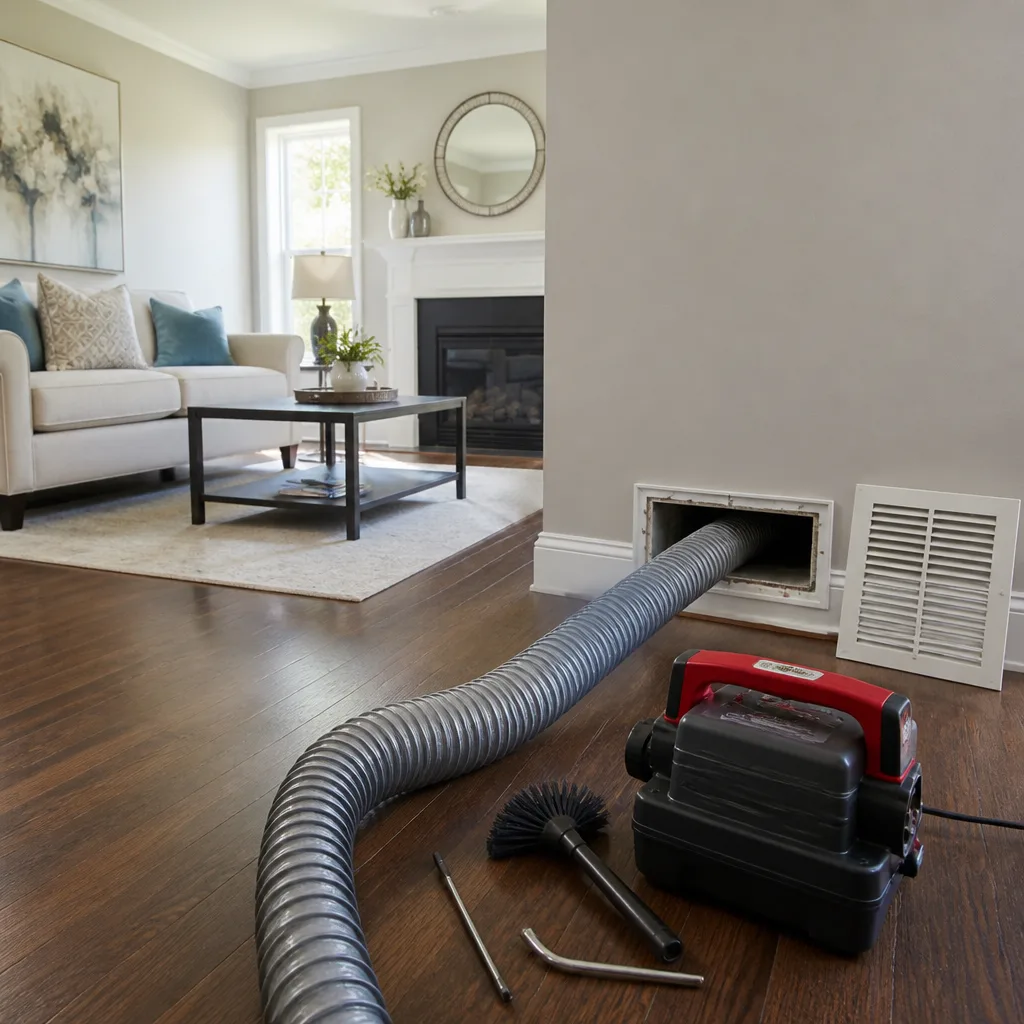 Whole-home duct cleaning
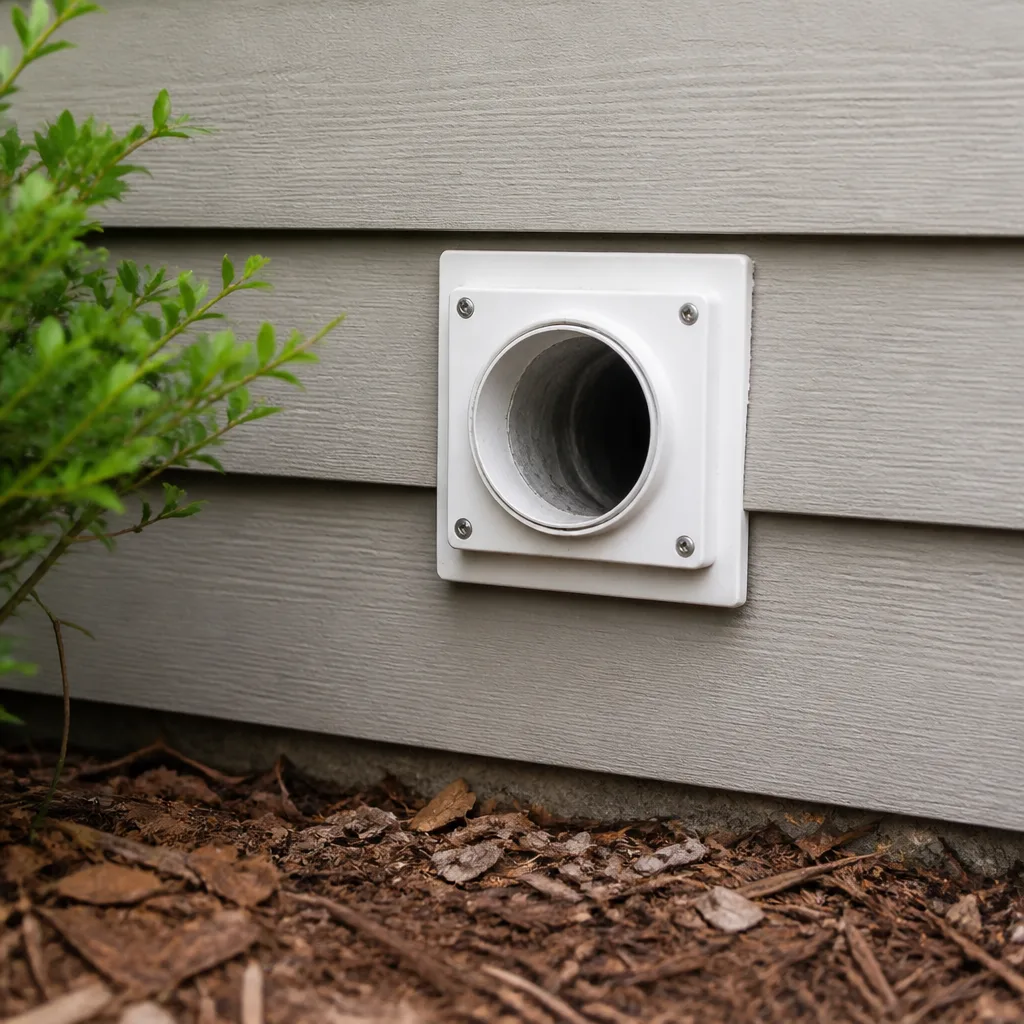 Dryer vent cleaning
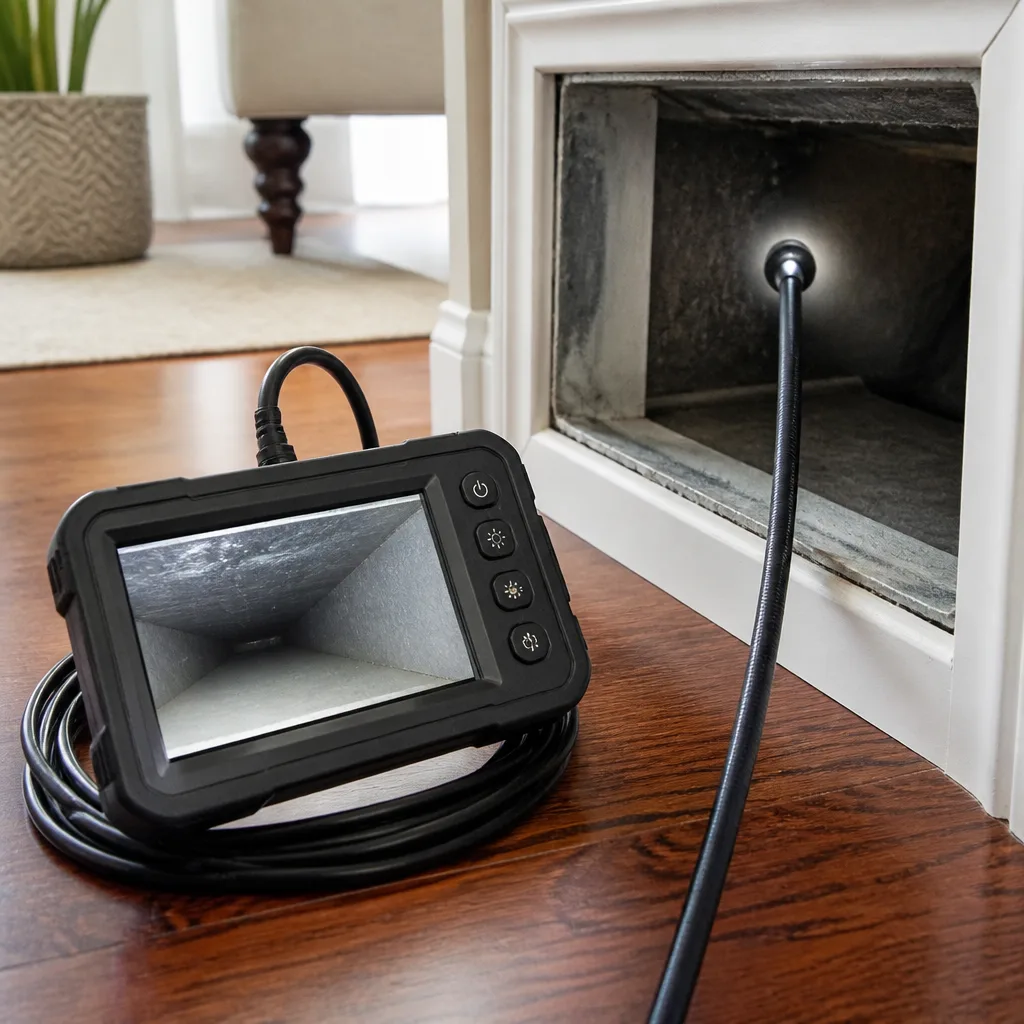 Camera inspection
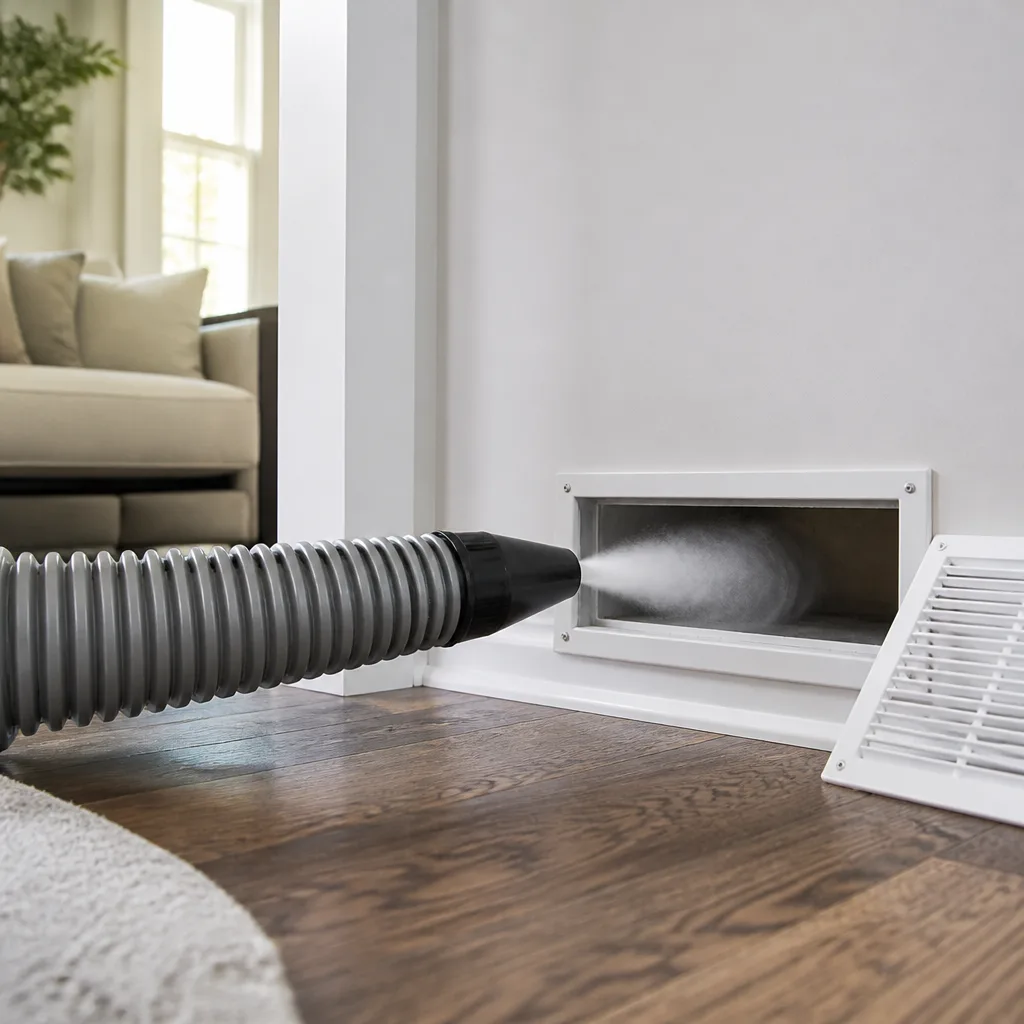 Sanitizing & deodorizing
Whole-system duct and dryer vent check with before-and-after photos - you see exactly what came out of your vents
That "$99 whole-house special" is a bait ad - the real number appears once they are in your hallway, or the "clean" is a shop-vac at the register. We photograph the inside of your ducts before and after instead.
Air Duct Cleaning Maintenance Checklist for Port St. Lucie Homeowners
Most duct-maintenance checklists you’ll find online are built around a once-a-year task list, and that schedule works fine in a place with four real seasons. Port St. Lucie doesn’t have four real seasons. It has a long cooling season with a wet stretch in the middle, and the filter you changed in February is not doing the same job in July. The rainy season pushes indoor humidity up, the system runs harder, and the mix of what collects inside your ducts shifts. An annual checklist leaves you blind for most of the year. This guide lays out a quarterly rhythm instead, with the specific register checks, filter-tracking habits, and documentation that actually catch problems before they spread.
Quick Answer
In Port St. Lucie, air duct maintenance should run on a roughly 90-day cycle, not a once-a-year schedule, because the cooling system works nearly year-round and the wet season changes what the ducts collect. A practical checklist covers four things every quarter: filter condition and loading rate, register and grille inspection for moisture or dark spotting, a visual check of accessible duct runs and connections, and dryer vent inspection on the same calendar. Full professional cleaning is usually a periodic event, not a quarterly one, but the checks that tell you when to schedule it should happen four times a year.
Styles & brands we work with
- Whole-home duct cleaning
- Dryer vent cleaning
- Camera inspection
- Sanitizing & deodorizing
Table of Contents
- Why Port St. Lucie Needs a Quarterly Checklist, Not an Annual One
- The Wet Season and Dry Season Split: What Changes in Your Ducts
- The Quarterly Checklist: Four Tasks Every 90 Days
- The Annual Tasks: What Belongs on the Once-a-Year List
- Register and Grille Inspection: Catching Early Mold Before It Reaches the Plenum
- Filter Loading Rate: The DIY Diagnostic That Reveals Duct Leakage
- Dryer Vent Inspection Belongs on the Same Schedule
- What to Document So a Technician Can Read Your Trend Data
Why Port St. Lucie Needs a Quarterly Checklist, Not an Annual One
The standard advice is to inspect your duct system once a year and schedule cleaning every few years. In a climate where the air handler runs most days of the year, that interval is too wide. Port St. Lucie sits in a stretch of Florida where the cooling system is active in every month. That means the filter loads continuously, the coil stays wet from condensate, and the ducts carry moving air almost without a break. Problems that would develop slowly in a colder climate develop faster here because nothing gets a seasonal rest.
Think about what the annual checklist assumes. It assumes a heating season that gives the system downtime, and it assumes the biggest load on the ducts comes from a few peak months. Here, the load is steady and the wet season adds a humidity spike on top of it. A register that shows a faint dark ring in June might show a spreading patch by September if nothing is checked in between. A quarterly rhythm catches that at the first inspection instead of the third.
There’s a second reason the annual model falls short locally. Newer construction in Port St. Lucie often runs ductwork through unconditioned attic space, and attic temperatures here get high. Flexible duct in a hot attic is under more stress than duct in a conditioned chase, and connections can work loose over a season of expansion and contraction. Checking accessible runs four times a year catches a disconnected joint before it dumps conditioned air into the attic for months.
None of this means you need professional cleaning every quarter. It means the checks happen quarterly. Cleaning and repair happen when the checks tell you they’re due. That distinction is the whole point of this guide, and it’s the core of how we approach Hometown Air Duct Cleaning work across the region.
Key Takeaways
- The cooling system in Port St. Lucie runs nearly year-round, so duct problems develop faster than in four-season climates.
- Quarterly checks are not quarterly cleanings. Inspect every 90 days; clean and repair based on what you find.
- The wet season changes both humidity and what collects in your ducts, so the summer and winter inspections look different.
- Filter loading rate is the cheapest early warning you have, and most homeowners never track it.
- Dryer vent inspection belongs on the same quarterly calendar as your air duct checks.
The Wet Season and Dry Season Split: What Changes in Your Ducts
Port St. Lucie’s year splits into a wet stretch and a drier stretch, and your duct system behaves differently in each. Treating them the same is the mistake a generic annual checklist makes. Here’s what actually shifts between the two.
The Wet Season
During the rainy months, outdoor humidity climbs and the cooling system pulls more moisture out of the air as it runs. That moisture ends up as condensate on the coil and, if the system isn’t draining or sealing well, as dampness inside the air handler and the first stretch of duct. Damp insulation inside a duct is where biological growth starts. This is the stretch of year when register checks matter most, because a grille that stays cool and slightly wet is the first place trouble shows.
The wet season is also when you’ll notice a musty smell coming from the supply registers if there’s a problem downstream. A faint odor in July that fades in November isn’t a seasonal quirk. It’s a signal that something in the system stays wet when humidity is high, and it’s worth having inspected rather than waited out.
The Dry Season
During the drier months, the pressure eases. Humidity drops, condensate is less of a factor, and what the ducts collect shifts toward ordinary dust, lint, and the fine material that comes off furnishings and moves with the return air. This is the better window for a full professional cleaning, because the system dries out faster afterward and there’s less moisture in the picture while work is being done.
The dry season is also when small leaks in the duct envelope show up in your energy use rather than your nose. A disconnected joint or a split flex duct that leaks conditioned air doesn’t smell like anything. It shows up as a room that never quite cools, or a system that runs longer than it used to. Checking the accessible runs in the drier months catches that before it becomes a comfort problem across a whole home.
If you want to go deeper on the annual cleaning decision itself, our guide to air duct cleaning covers what a full professional cleaning actually involves and how to tell when the system is due.
The Quarterly Checklist: Four Tasks Every 90 Days
This is the core of the whole approach. Four tasks, four times a year, about ten minutes each. Put them on the calendar for the same month each quarter and they’re easy to keep up.
- Check the filter and note its condition. Pull the filter and look at it against a light. Write down the date and what you see: light dust, evenly gray, or visibly loaded. Don’t just replace it and move on. The state of the filter at each check is your first data point.
- Inspect every supply register and return grille. Look for dust streaking, dark spotting, moisture, or discoloration on or around the grille. Wipe the face of each one and look at what comes off. Run a flashlight into the visible boot behind the grille where you can.
- Look over the accessible duct runs and connections. If you can reach the air handler and the first few feet of duct in the attic, garage, or utility closet, check for sagging flex duct, loose tape, disconnected joints, or insulation that’s torn or hanging. Don’t climb into tight or hot spaces to do this. Check what’s safely reachable.
- Inspect the dryer vent. Check the exterior termination and the flexible transition behind the dryer. Confirm the flap opens freely when the dryer runs and that there’s no visible lint buildup at either end.
That’s it. None of these tasks require tools beyond a flashlight and a calendar reminder. What they do is build a running record, and that record is what lets a technician spot a trend during a service visit instead of starting from scratch. We clean with Rotobrush brush-contact systems and Nikro HEPA vacuums, and a homeowner’s own quarterly notes help us direct that equipment to the parts of the system that need attention most.
The Annual Tasks: What Belongs on the Once-a-Year List
Some tasks genuinely belong on an annual list because doing them more often adds nothing. Here’s what stays on the yearly schedule and what you should expect from each.
- Professional system cleaning. Most homes benefit from a full cleaning every few years, and the right interval depends on what your quarterly checks show, whether there are pets, and whether anyone in the home has respiratory sensitivities. An annual review of those findings is the trigger, not a fixed number.
- Duct repair assessment. Once a year, have the accessible and concealed duct runs assessed for leaks, disconnections, and crushed or sagging sections. Repair is a separate skill from cleaning, and it’s worth knowing your system’s condition in detail.
- Condensate drain and drain pan check. A clogged or slow condensate drain keeps the air handler wetter than it should be. This is a seasonal check worth doing before the wet season, and it’s a genuine humidity control point.
- Whole-home filter and IAQ review. Once a year, look at whether your current filter is the right type and rating for your system. Upgrading filtration is a modest change with real effect, and products like Honeywell and Aprilaire filtration lines are designed to fit a standard return-air setup.
- Dryer vent cleaning. If your quarterly inspections show lint building up, a professional cleaning clears it fully. The right interval depends on how often your household does laundry, but an annual review keeps it from being forgotten.
The trick is treating the annual list as the “big” tasks and the quarterly list as the early-warning system. The quarterly checks tell you when to move an annual task forward. A register that develops a damp patch in July moves the professional cleaning up the calendar, and knowing that early is what keeps a small moisture problem from becoming a much larger repair.
Register and Grille Inspection: Catching Early Mold Before It Reaches the Plenum
Most people look at a register only when they’re dusting the room. That’s a missed opportunity, because the register and the boot behind it are the closest thing your duct system has to a window. When something is growing or damp deep in the system, the register is often where you see the first sign.
The plenum is the boxed section right at the air handler where the ductwork connects. Once growth gets into the plenum, it moves through the main trunk and out to every branch. That’s why the register check matters: a problem caught at the grille is small and contained, while the same problem caught at the plenum is a much bigger job. We’ve seen this pattern repeat across Port St. Lucie homes, and the ones that catch it early are the ones that get a technician on the problem before it spreads.
Here’s what to look for at each register and grille:
- Dark spotting or speckling on the grille face or the boot behind it. Wipe it with a white cloth. If a dark stain comes off, note it.
- Dampness. The grille should feel dry. If it’s cool and wet when the system has been running, that’s a sign moisture is reaching the grille from inside.
- Musty smell when you put your face close to a running supply register. A faint earthy or musty odor points to something downstream that stays damp.
- Insulation damage inside the boot. Look for liner that’s pulled loose, torn, or discolored. Damp insulation is where growth starts.
- Dust streaking radiating from the grille edges. Heavy streaking often means air is escaping around the grille rather than through it, which is a sealing issue worth noting.
What you’re doing is not cleaning the system. It’s inspecting for the earliest sign that moisture or growth has established somewhere in the run. That inspection is how Port St. Lucie homeowners avoid the jump from a routine cleaning to a repair bill many times larger. If you see dark spotting, dampness, or a musty smell at more than one register, that’s the point to call a professional rather than keep watching. A trained technician can use containment equipment to stop dislodged material from recirculating into the house, which is not something you can replicate with a shop vac.
Filter Loading Rate: The DIY Diagnostic That Reveals Duct Leakage
Here’s the check almost nobody does, and it’s the one that reveals more about your duct system than any other household task. Track how fast your filter loads. Not just whether it’s dirty, but how quickly it gets that way compared to last time.
How to Track Filter Loading Rate
- Write the date and the filter brand, model, and MERV rating on the filter frame or in a notebook when you install it.
- Check the filter every 30 days, not just every 90. Note whether it’s light, medium, or heavily loaded.
- Record the date you replace it and the reason: scheduled, or noticeably loaded ahead of schedule.
- Compare this cycle’s loading rate to the last few. Is the filter loading faster, the same, or slower?
- Note any change in the household that could shift loading: new pets, new carpet, remodeling, more time with windows open.
A filter that loads faster than it used to, with no household change to explain it, is telling you something. It often means the system is pulling in more debris from somewhere it shouldn’t: a return duct with a bad seal drawing attic or crawlspace air, a failed joint on the return side, or a loose connection near the air handler. Those leaks pull unfiltered air into the system, and the filter catches the evidence of it.
The reverse is also informative. A filter that suddenly loads more slowly in a system where nothing else changed can mean the return side is losing suction somewhere, which points to a different kind of leak. Either direction is a trend worth noting, and this is why writing down the dates and the filter rating matters. A technician reading your notes can compare your loading rate to the system’s actual condition and find the leak that explains the mismatch. This is the kind of diagnostic information a single service visit can use, and it’s worth the two minutes of record-keeping each month. Tracking filter loading alongside the register check gives you the two most useful early-warning signals a homeowner has. When those signals point to a real problem, that’s what professional equipment like Nikro HEPA vacuum rigs and Abatement Technologies negative-air containment is for.
Dryer Vent Inspection Belongs on the Same Schedule
Dryer vent cleaning is usually treated as a separate, forgettable chore. On a maintenance checklist, it belongs right next to your air duct checks, on the same quarterly calendar. The reason is safety. Lint is flammable, and a clogged dryer vent is a genuine fire risk, not a minor efficiency annoyance.
We treat dryer vent cleaning as part of the same home-safety picture as duct maintenance, because the two share a household rhythm. Both run on a quarterly check and an occasional professional cleaning. Both reward a homeowner who writes down what they see. And both are frequently forgotten until something goes wrong.
What to Check Every 90 Days
- The exterior termination. Confirm the flap or hood opens freely when the dryer runs. If it stays shut, or if you can see lint packed behind it, that’s a blockage.
- The transition duct behind the dryer. This is the short flexible section connecting the dryer to the wall. Check that it’s not crushed, kinked, or accordion-folded in a way that traps lint. It should be as short and straight as possible.
- Lint accumulation inside the wall connection. With the dryer off and unplugged, look into the wall opening where the transition duct connects. Lint building up here means the run isn’t clearing fully.
- Drying times. Note how long a typical load takes. A dryer taking noticeably longer than it used to is a sign of reduced airflow.
- Heat and smell. If the dryer feels hotter than usual on the outside, or you notice a burning or musty smell in the laundry area, stop using it and have the vent checked before another load.
The parallel scheduling matters because it’s easy to keep one calendar and hard to keep several. Put dryer vent inspection on the same quarterly reminder as your filter check and register inspection, and it won’t get pushed off the list. If your quarterly check shows heavy buildup or slow drying times, a professional cleaning clears the full run without damaging the duct.
What to Document So a Technician Can Read Your Trend Data
A maintenance checklist only pays off if you keep the record. The single biggest difference between a homeowner who catches problems early and one who doesn’t is whether they have notes to hand a technician. Here’s what to write down, and why each item matters.
- Filter brand, model, and MERV rating. Note the exact filter whenever you change it. The rating matters because a system designed for one filter rating can lose airflow with a higher-rated one, and a technician comparing your notes to the system can spot that mismatch.
- Filter change dates. Every change, with the date and the condition at the time. This builds the loading timeline that reveals leaks.
- Register inspection notes. Which registers you checked and what you saw. Photos of anything that looks off: dark spotting, dampness, streaking. A photo taken in June and a photo taken in September tell a technician whether something is spreading.
- Dryer vent check dates. When you inspected, what you found, and how long typical loads took. A drying-time trend is a useful data point.
- Any change to the household. New pets, new carpet, remodeling, or extra time with windows open. These explain shifts that would otherwise look like system problems.
When a technician visits, that record becomes the basis for an informed assessment instead of a fresh start. It’s how a service visit becomes more than a one-off cleaning. Products like Honeywell and Aprilaire filtration are easier to recommend correctly when the technician can see how your current filter has been performing. Photos and dates let them decide whether to clean, repair, or upgrade, based on real evidence from your own system.
Keep the record in a notebook in the utility closet or in a phone note. It doesn’t need to be formal. It needs to exist. A homeowner with a folder of photos and dates gets a much more useful service visit than one who says “it’s been a few years since we thought about it.”
Common Mistakes to Avoid
- Running one annual checklist in a year-round cooling climate. A schedule built for four seasons leaves you blind for most of the year in Port St. Lucie. The inspection interval needs to be quarterly even when the cleaning interval is multi-year.
- Replacing the filter without noting how loaded it was. The filter change itself isn’t the useful data. The condition at the change is. Skipping the note throws away your best DIY diagnostic.
- Wiping a spot off a register and moving on. If something comes off on the cloth, note it and watch that register. A spot that returns is telling you something the first wipe couldn’t.
- Treating a musty smell as a seasonal annoyance. In a wet season, a smell that comes and goes points to moisture in the system. Getting it inspected early is what keeps a cleaning from turning into a repair.
- Assuming a higher MERV filter is always better. It isn’t, if it’s too restrictive for your air handler. Match the rating to the system, and note what you’re using so a technician can see whether the filter is the right fit.
- Forgetting the dryer vent. The dryer vent runs on the same calendar as your duct checks and carries real fire risk if neglected. Skipping it because “it’s a separate thing” is how blockages go unnoticed.
- Not documenting anything. A quarterly habit without a record is a check you can’t compare to the last one. Write it down, and take photos when something looks off.
See the difference
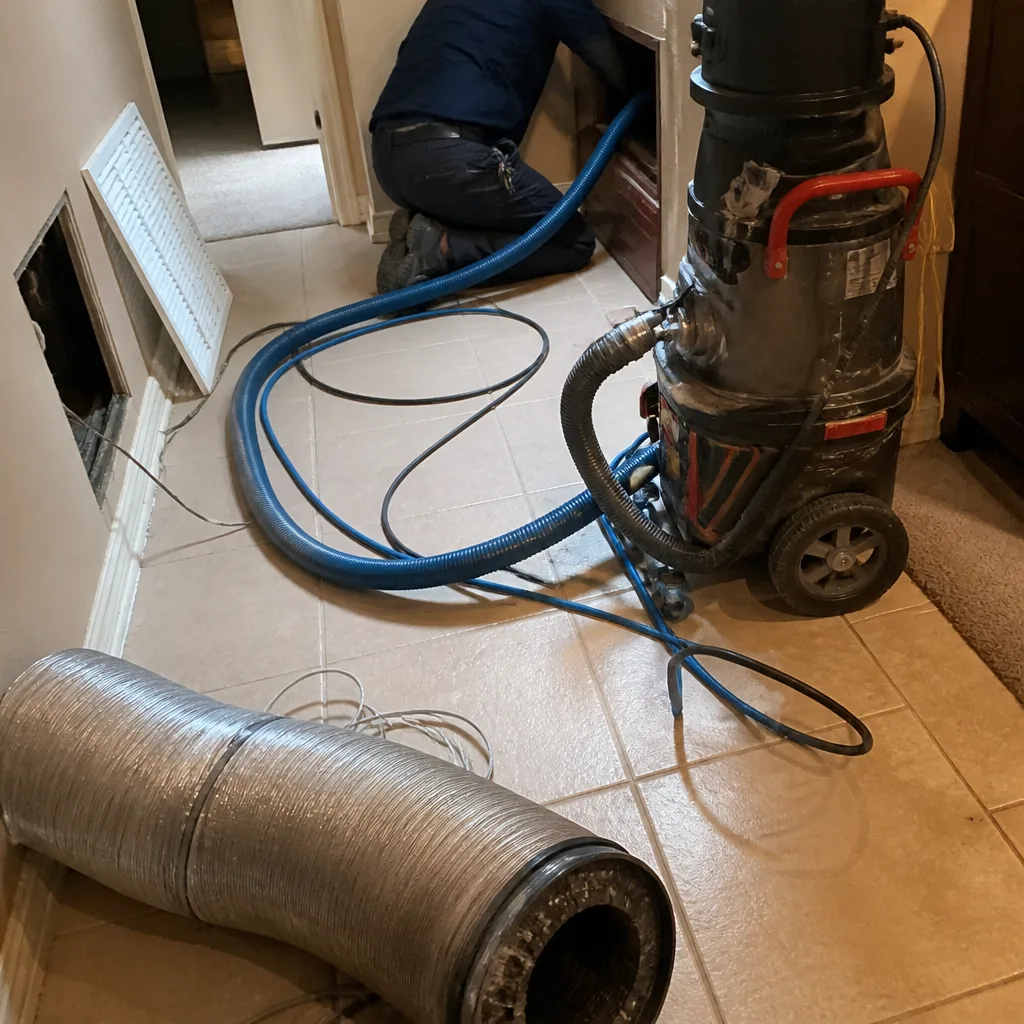 Before
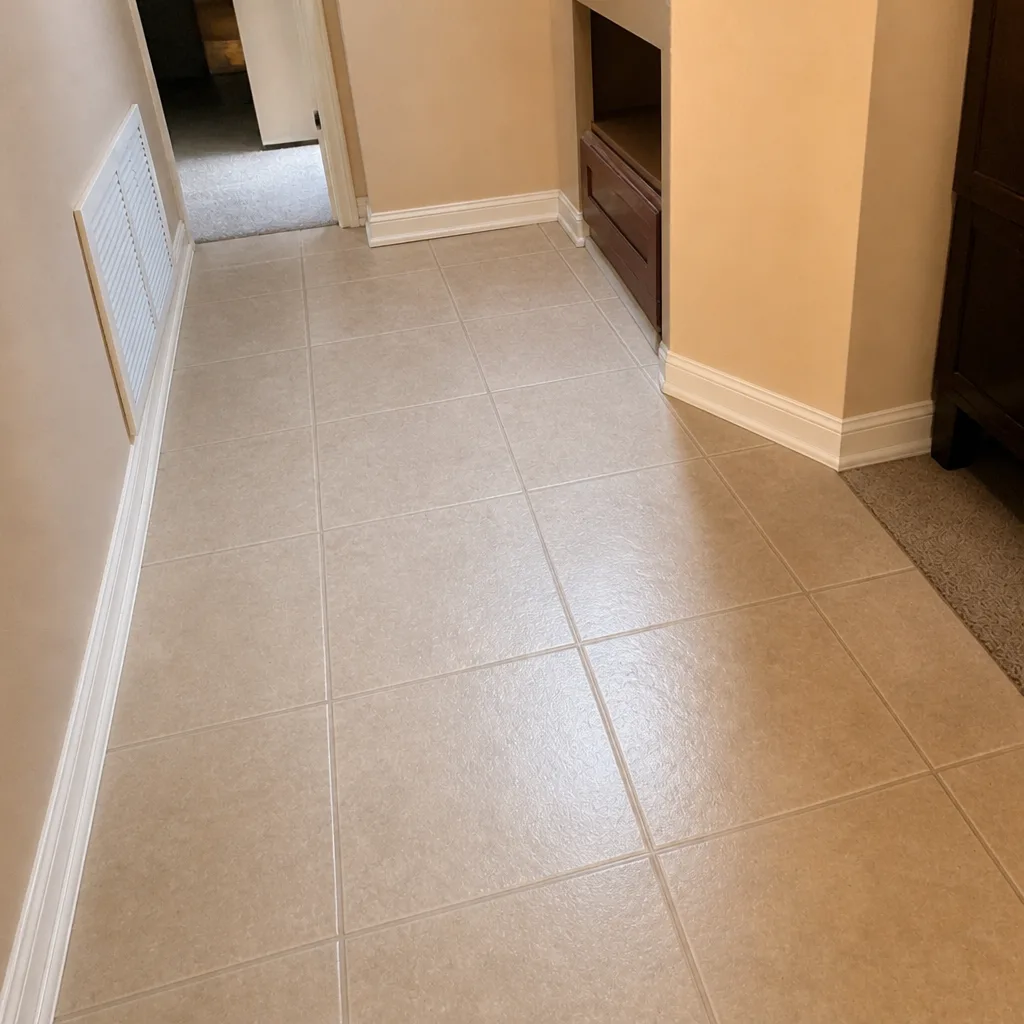 After
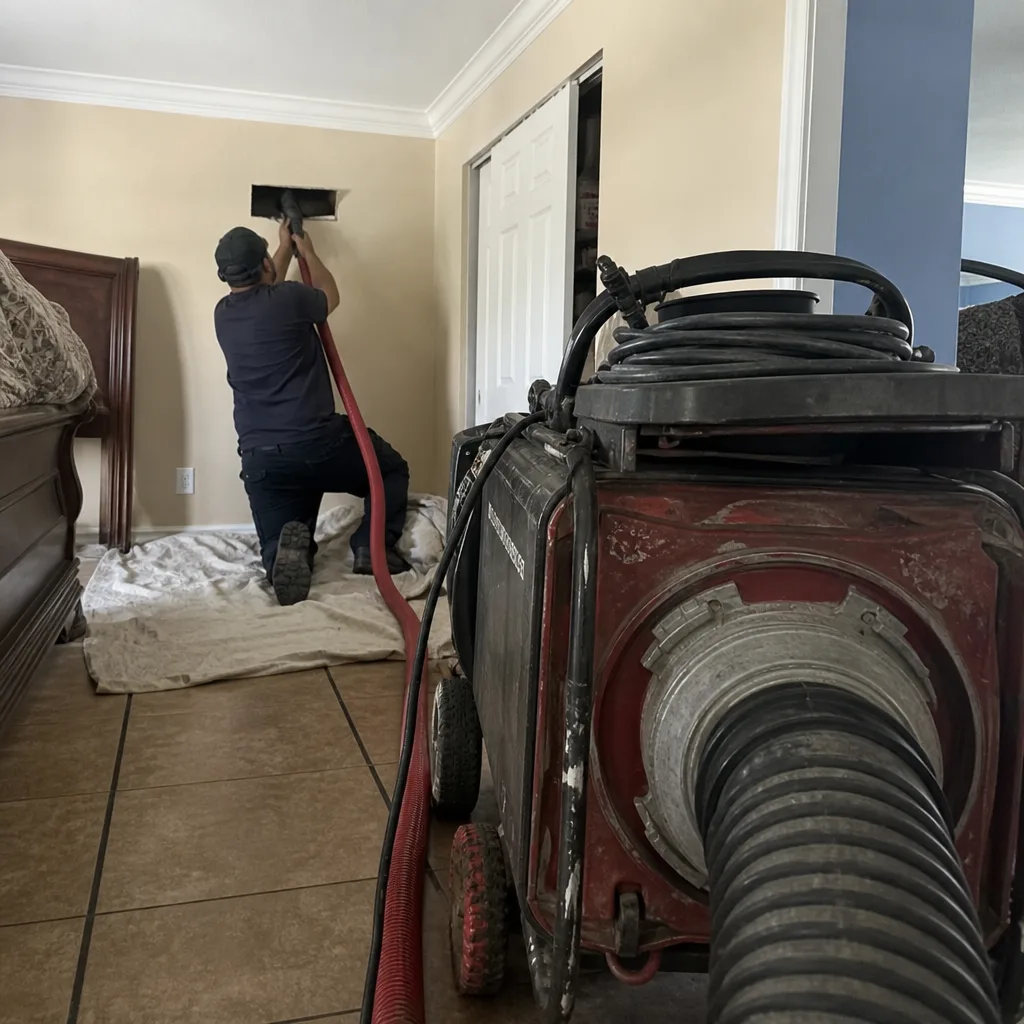 Before
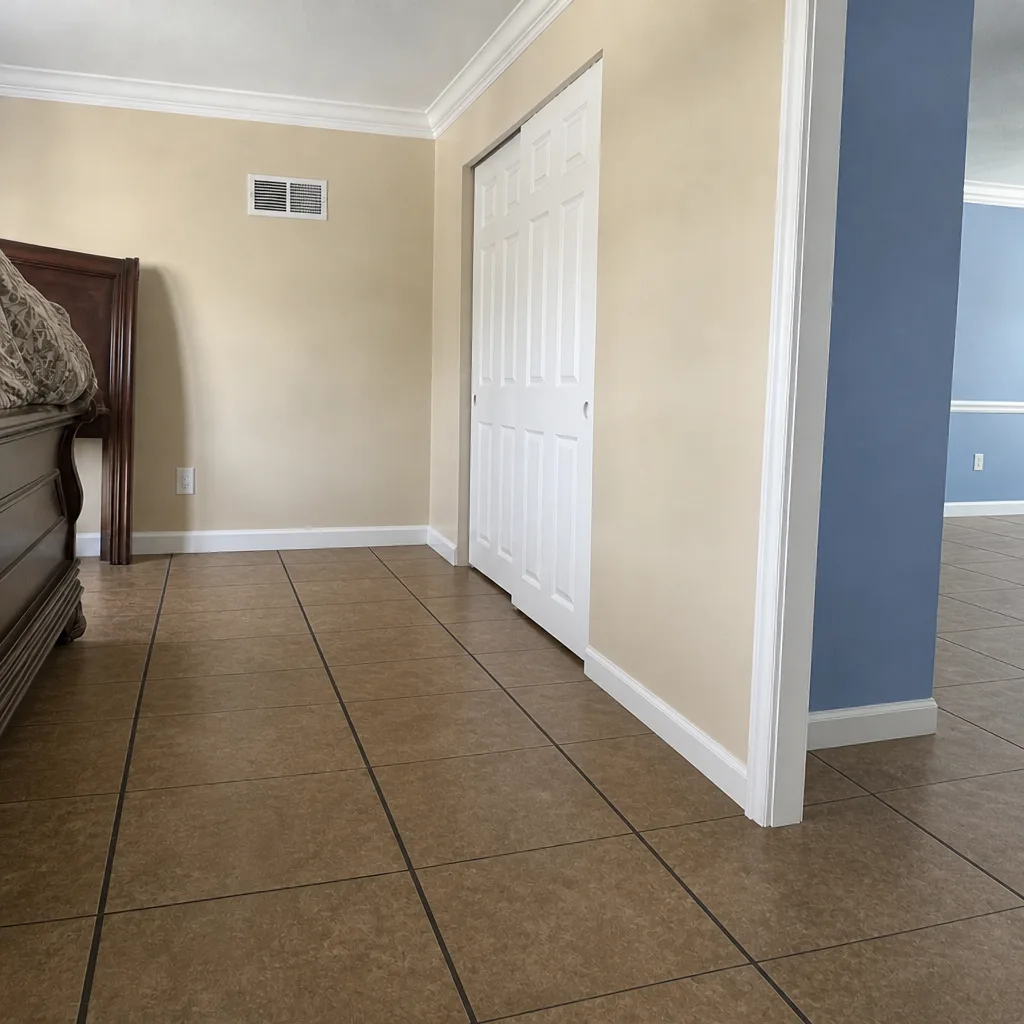 After
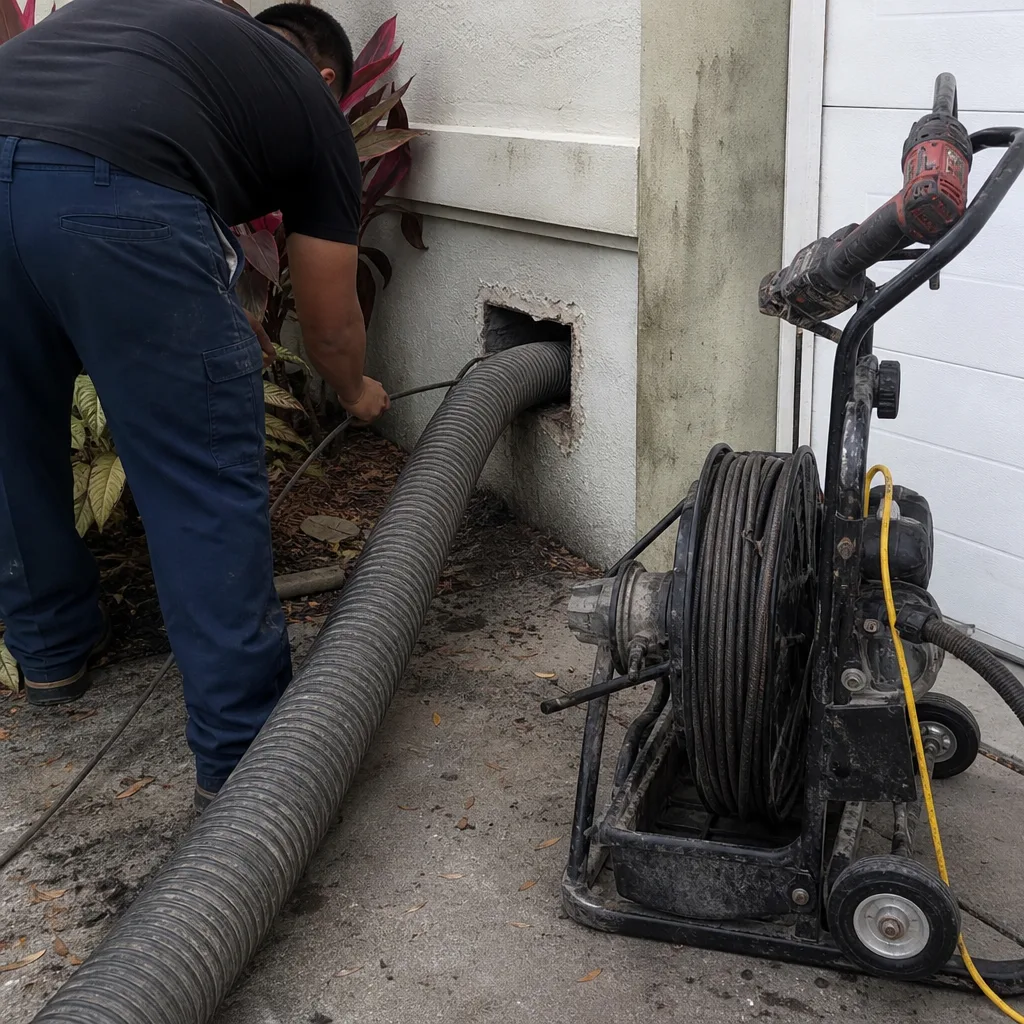 Before
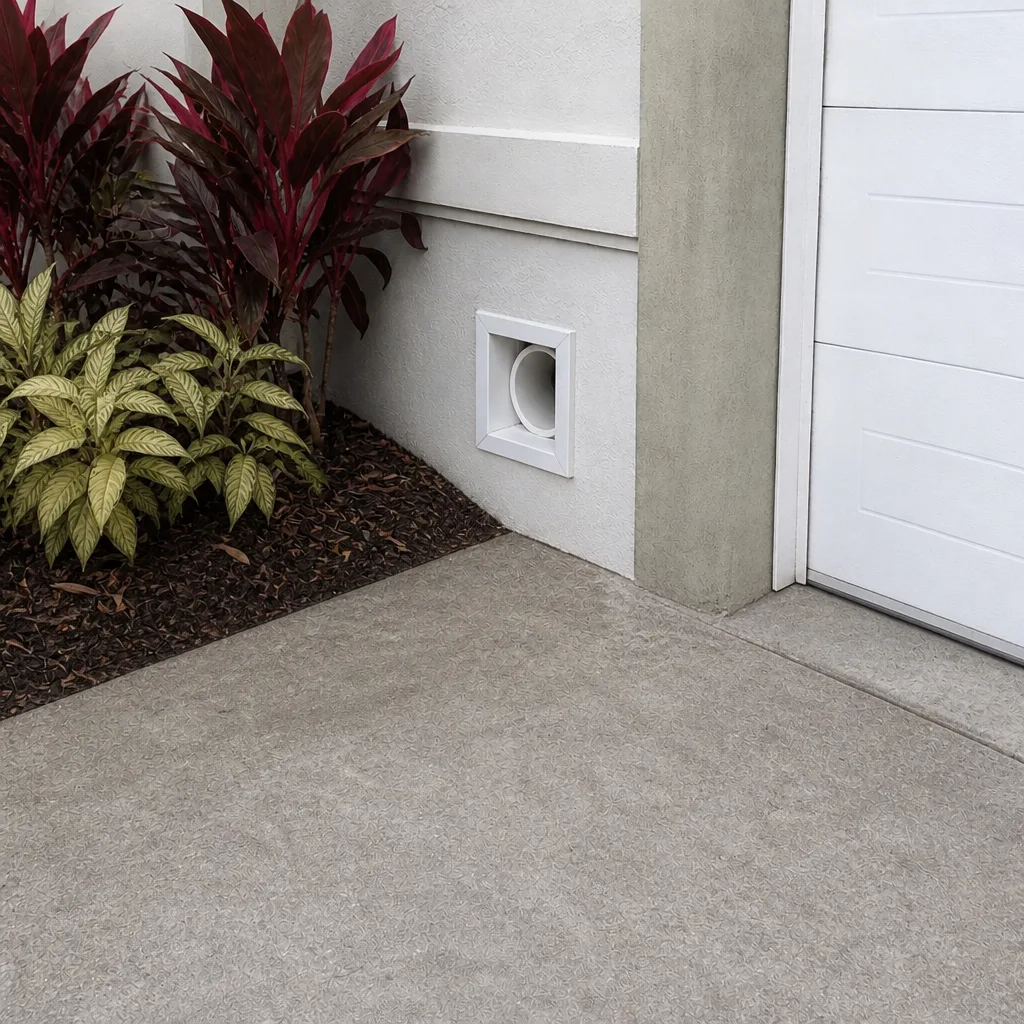 After
When to Call a Professional
Some things a homeowner can check; some things need professional equipment and a trained eye. Call a professional if you see dark spotting or dampness at more than one register, if a musty smell persists through a supply grille, if your filter loading rate changes without any household explanation, if you can see a disconnected or crushed duct run, or if your dryer takes noticeably longer than it used to and the exterior vent shows lint buildup. If your quarterly checks have flagged a problem at two consecutive inspections and it hasn’t resolved, that’s also the point to call rather than keep watching. Professional cleaning uses brush-contact systems and negative-air containment, so the work removes what’s on the duct walls without recirculating it into your home. Hometown Air Duct Cleaning offers free estimates in Port St. Lucie. Call (866) 502-9547. We answer 24/7. Fast dispatch from 7am to 7pm, Sunday through Friday.
Frequently Asked Questions
Every 90 days. The cooling system in Port St. Lucie runs nearly year-round, so the filter loads continuously and the wet season changes what collects in the ducts. A quarterly check catches register moisture, filter-loading shifts, and loose duct connections at the first sign rather than the third. Full professional cleaning is a separate, less frequent event driven by what the quarterly checks show.
You can do the four quarterly tasks yourself: filter check, register inspection, accessible duct runs, and dryer vent check. Those are the early-warning signals, and they’re meant for homeowners. What you shouldn’t do is reach into concealed ductwork or try to clean inside the system with household equipment. Full cleaning and repair need professional tools and containment, and a technician can read the notes from your quarterly checks to direct that work efficiently.
Filter loading shifts with humidity, how often the system runs, and any change in the home like new pets, new carpet, or remodeling. In Port St. Lucie, a filter often loads faster during the wet season because the system runs more and pulls more air. A loading rate that changes with no explanation in the home can also point to a duct leak pulling unfiltered air into the return side. Note the dates and the filter rating month to month so the pattern is visible.
Dark spotting or dampness at a supply register or on the grille, and a faint musty smell when the system runs. Those are the first visible signs, and they’re easiest to catch at the register because that’s the closest visible point to the ducts. If the spotting or dampness shows at more than one register, or the smell persists, call a professional for an inspection rather than waiting for the next quarterly check.
Yes, and for good reason. Dryer vent cleaning is a fire-safety item, not a separate chore, and keeping it on the same quarterly calendar as your duct checks is what stops it being forgotten. Lint is flammable, and a blocked vent is a genuine hazard. Check the exterior termination, the transition duct behind the dryer, and your drying times every 90 days, and schedule a professional cleaning when lint builds up.
Give them the record from your quarterly checks: filter brand and MERV rating, filter change dates and conditions, what you saw at each register, and dryer vent notes. Photos of anything that looked off help too. With that information a technician can assess your system before arriving and bring the right equipment. If you’re not sure what you’re seeing, that’s fine, describe it. Call (866) 502-9547, and have your notes handy. We answer 24/7. Fast dispatch from 7am to 7pm, Sunday through Friday, for the Port St. Lucie area.
The Bottom Line
A duct maintenance checklist is only as good as the climate it’s written for, and Port St. Lucie runs nearly year-round. That means quarterly inspections, not annual ones, with the tasks you do yourself being checks rather than cleanings. Four things every 90 days: filter condition and loading rate, register and grille inspection, accessible duct-run check, and dryer vent inspection. The annual tasks are where the professional cleaning and repair happen, and they’re triggered by what your quarterly checks reveal. Write everything down, including filter brand, MERV rating, and dates. That record is what turns a service visit into an informed assessment instead of a guess. The path to a clean, dry, healthy system is checking early and often, and knowing when to call.
If your quarterly checks have flagged something and you’re not sure what it means, or you’d just like a professional assessment, give us a call. Hometown Air Duct Cleaning handles duct cleaning, dryer vent cleaning, and duct repair. Call (866) 502-9547 for a free estimate. We answer 24/7. Fast dispatch from 7am to 7pm, Sunday through Friday.
Written by the team at Hometown Air Duct Cleaning.