
Last updated November 16, 2026
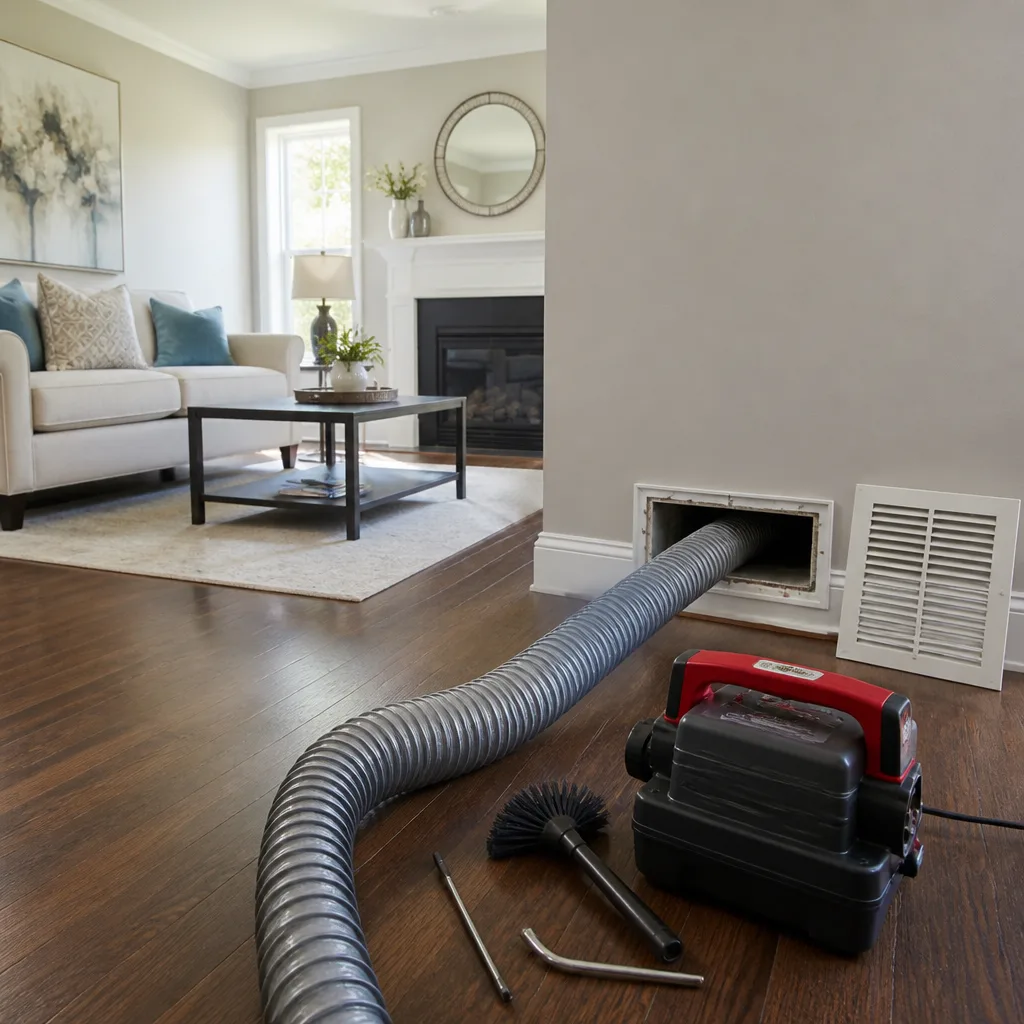 Whole-home duct cleaning
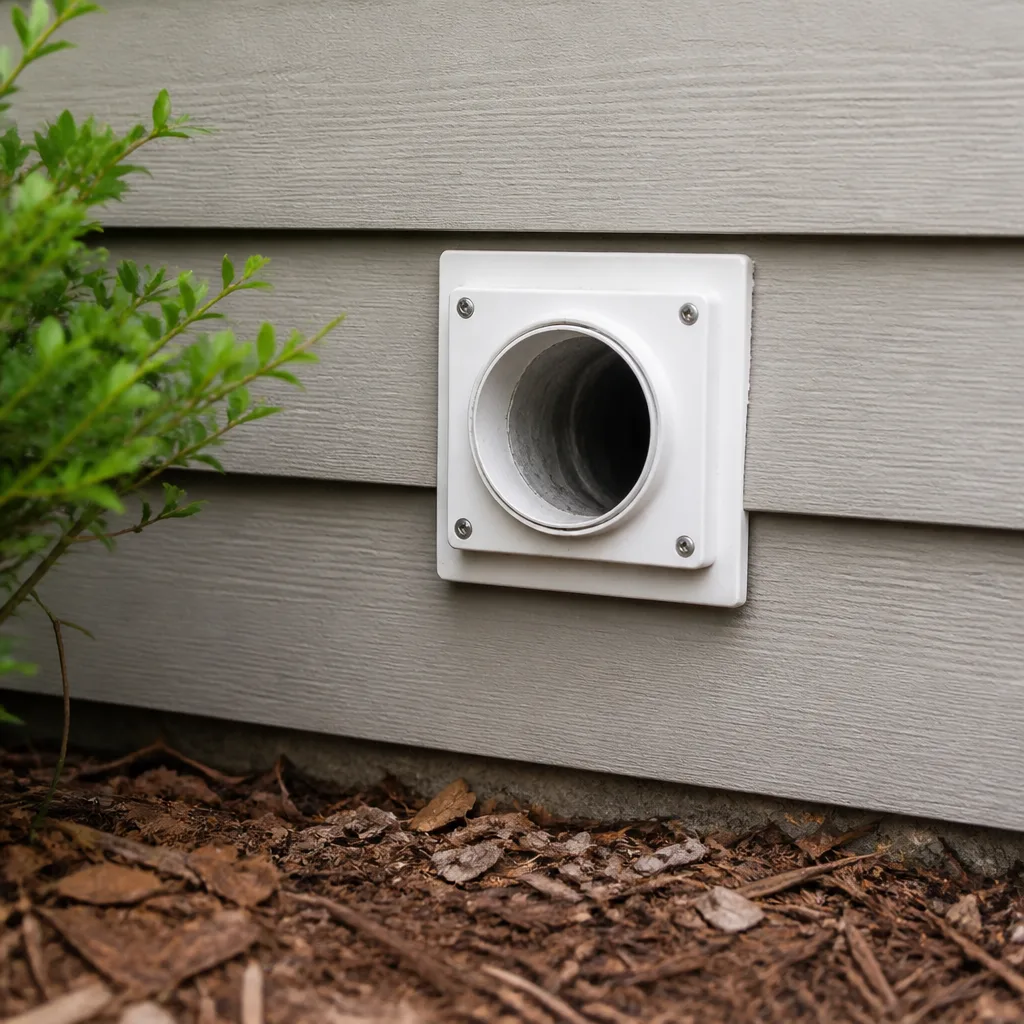 Dryer vent cleaning
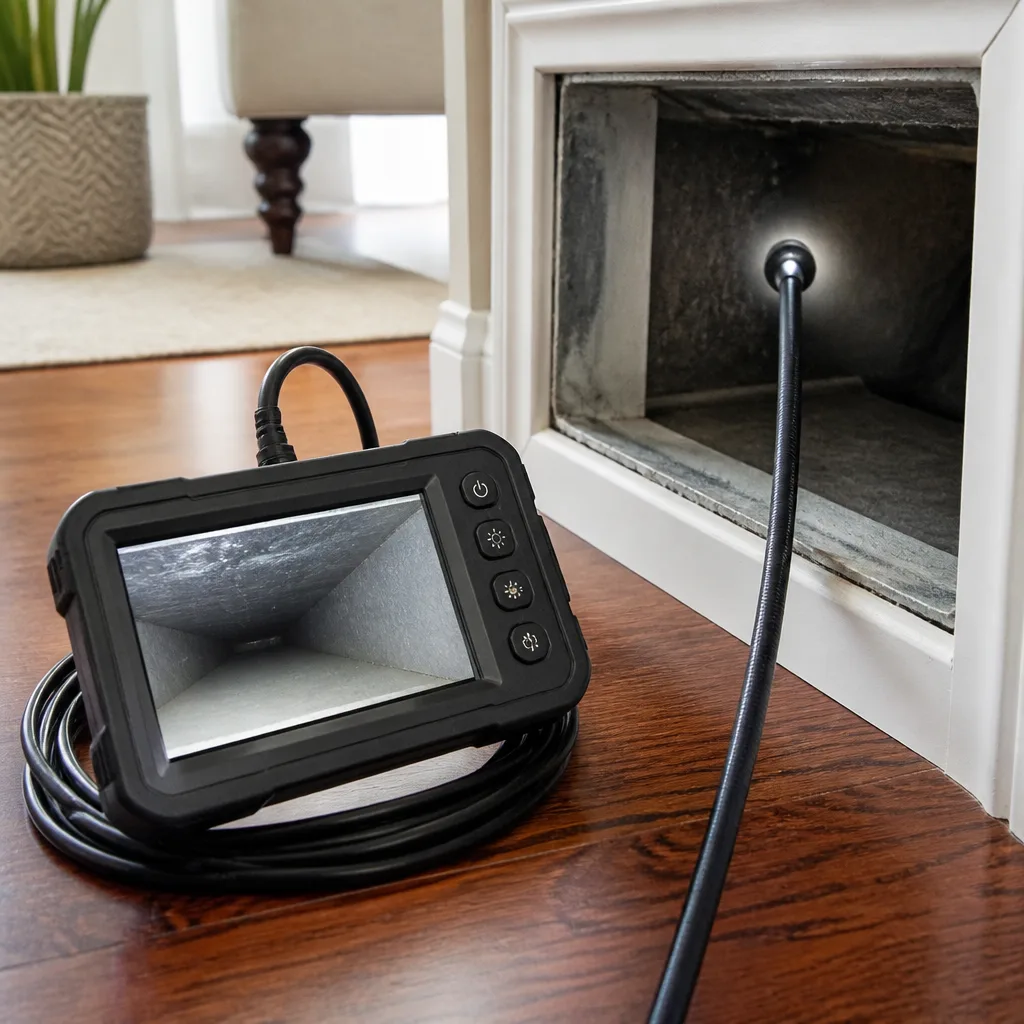 Camera inspection
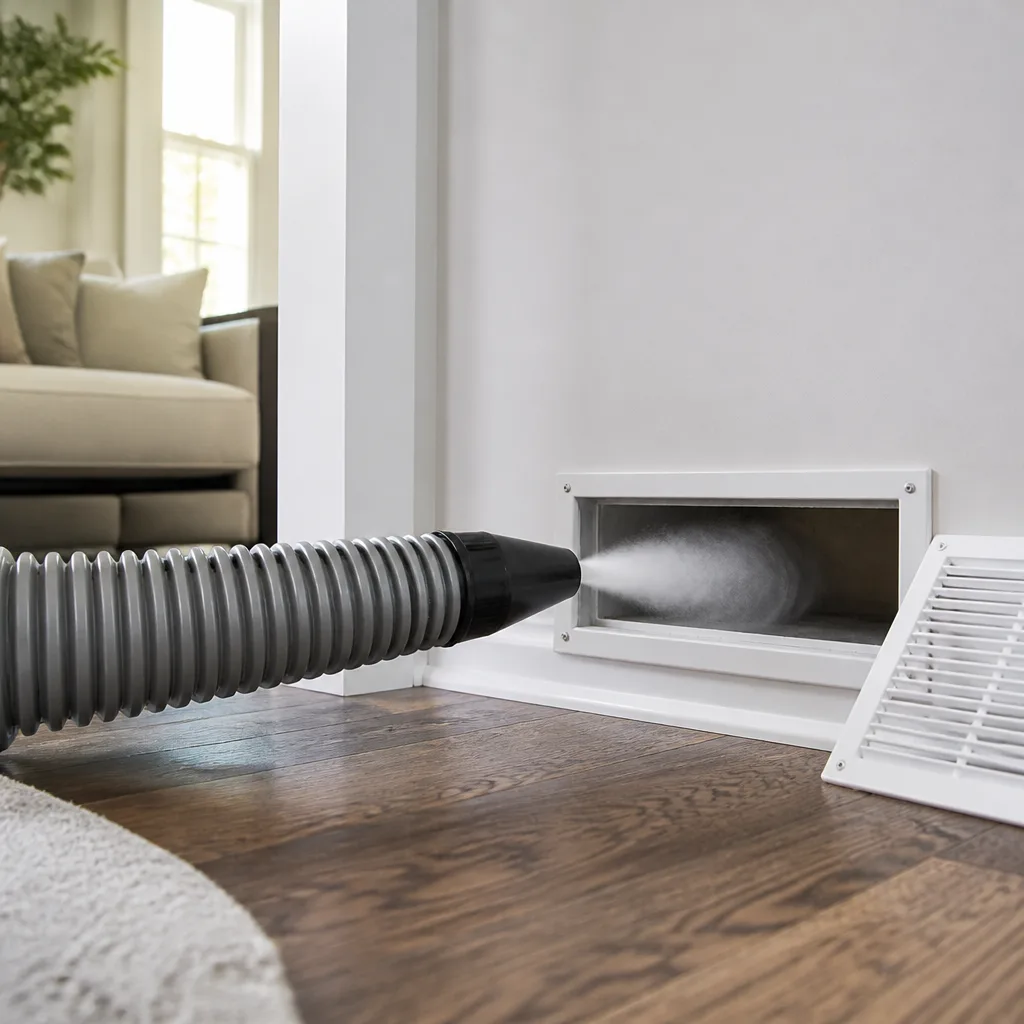 Sanitizing & deodorizing
Whole-system duct and dryer vent check with before-and-after photos - you see exactly what came out of your vents
That "$99 whole-house special" is a bait ad - the real number appears once they are in your hallway, or the "clean" is a shop-vac at the register. We photograph the inside of your ducts before and after instead.
Air Duct Cleaning Permits, Codes & Inspections in Port St. Lucie, FL: What You Need to Know
Most duct work is invisible, so most homeowners only learn the rules the hard way: at a home inspection, when a buyer’s inspector flags unpermitted mechanical work in the attic and the closing stalls. Here’s the counterintuitive part – a plain cleaning usually needs no permit at all, but the moment someone patches, seals, or replaces duct material, Florida Building Code Section 603 and St. Lucie County mechanical permit rules apply. This guide explains exactly where that line sits, how the code treats duct material and insulation, how to check a contractor’s license, and what paperwork to keep for resale in Port St. Lucie.
Quick Answer
Routine air duct cleaning in Port St. Lucie does not require a permit, because it’s maintenance, not construction. Duct repair or replacement that alters the mechanical system – new duct runs, sealed or replaced flex duct, changed insulation, modified connections – falls under Florida Building Code Section 603 and generally requires a St. Lucie County mechanical permit with inspection. The work must be done by a properly licensed mechanical contractor, and you should keep the permit records, photos, and invoices for resale.
Styles & brands we work with
- Whole-home duct cleaning
- Dryer vent cleaning
- Camera inspection
- Sanitizing & deodorizing
Table of Contents
- Where duct cleaning ends and mechanical work begins
- Florida Building Code Section 603 basics for homeowners
- Duct repair vs. duct replacement under county code
- How the St. Lucie County permit and inspection process works
- How to verify a contractor’s license before work starts
- What documentation to keep for resale
- How Port St. Lucie conditions affect duct systems
- What a mechanical inspection actually checks
Where Duct Cleaning Ends and Mechanical Work Begins
Cleaning removes accumulated dust, debris, and biological growth from inside a duct system that’s already in place. It doesn’t change the system’s design, materials, or connections. Under St. Lucie County’s mechanical permitting rules, that’s maintenance, and maintenance doesn’t require a permit.
The line gets crossed the moment a technician recommends a physical change to the duct system. That’s when the job becomes mechanical work.
Cleaning only – no permit
- Brush and vacuum cleaning of existing duct runs
- Removing debris from registers, grilles, and plenum surfaces
- Replacing air filters
- Cleaning the air handler cabinet exterior
- Dryer vent cleaning (separate from the HVAC system entirely)
Mechanical work – permit typically required
- Replacing or installing new flex duct runs
- Sealing disconnected or crushed duct sections with new materials
- Relocating a duct run or adding a new supply or return
- Changing duct insulation to meet code requirements
- Replacing the plenum or substantially reworking connections at the air handler
- Any work that changes the system’s capacity, configuration, or component materials
In our experience, this is where homeowners get surprised. A duct cleaning visit finds a crushed flex run in the attic, someone patches it on the spot, and nobody pulls a permit. That patch may function fine for years, but it leaves a paper trail gap that a sharp home inspector will flag before closing. If you’re planning air duct cleaning and suspect damage, ask upfront whether the company can both identify and properly permit any repair work.
Florida Building Code Section 603 Basics for Homeowners
Section 603 of the Florida Building Code, Mechanical, governs duct systems – how they’re constructed, what materials are allowed, how they must be insulated and sealed, and how they connect to the air handler. You don’t need to memorize it, but knowing the four categories it covers will help you have a more productive conversation with any contractor.
1. Duct material
The code specifies approved materials for duct construction, including galvanized steel, aluminum, and listed flexible duct products. Unlisted or improvised materials – plastic sheeting, unrated tape, or mismatched components – don’t meet code and can fail inspection.
2. Insulation
Ducts running through unconditioned space, like an attic, must be insulated to a specified thermal resistance. In Port St. Lucie, most duct systems run through attics that reach extreme temperatures, so insulation matters for both code compliance and energy performance. Replacing duct without replacing damaged insulation is a frequent code violation.
3. Sealing
Joints, seams, and connections must be sealed with approved materials – typically mastic or listed tape, not general-purpose duct tape. Leaky joints waste conditioned air and can pull attic air into the system, which in a hot, humid climate carries moisture and dust along with it.
4. Support and routing
Duct runs must be supported at proper intervals and routed without sharp bends or crushing. Sagging or pinched flex duct restricts airflow, and the code’s support requirements exist to prevent exactly that.
When a duct repair involves replacing flex duct, changing insulation, or reworking connections, the job has to meet these standards and pass inspection. A properly licensed mechanical contractor will know the current code requirements and pull the permit correctly. That’s a meaningful difference from a standalone cleaning crew that only knows how to clean.
Duct Repair vs. Duct Replacement Under County Code
The distinction matters because it changes the permit requirement, the inspection scope, and what shows up in your records. Here’s how the two categories usually play out in St. Lucie County.
What counts as duct repair
Repair typically means restoring a section of the existing system to working order without changing the system’s design. Examples include resealing a disconnected joint, re-supporting a sagging run, replacing a short section of crushed flex duct, or reattaching a boot to a register. Some repairs are minor enough to sit at the edge of permit thresholds – which is exactly why the county’s permitting office exists. If the repair involves new duct material or a changed connection, plan on a permit.
What counts as duct replacement
Replacement means removing and installing new duct work – the whole system or a substantial portion of it. In mechanical permitting terms, this is new construction on an existing system, and it requires a permit and post-work inspection. The inspector will check material, insulation, sealing, support, and connection at the air handler.
When each triggers inspection
- Sealing a joint with mastic: usually not a permit item, but confirm with the county
- Replacing a section of flex duct: typically a permit item
- Replacing the full duct system: permit and inspection required
- Adding a new supply or return: permit and inspection required
- Reworking the plenum or air handler connections: permit and inspection required
The practical rule of thumb: if the job involves installing or replacing duct material, assume a permit. When in doubt, call the St. Lucie County Building Department directly and describe the work – they’ll tell you whether a permit is required.
How the St. Lucie County Permit and Inspection Process Works
If your job crosses into mechanical work, here’s the process you should expect. Understanding it protects you from a contractor who’s cutting corners.
- The licensed contractor pulls the permit. The permit is applied for under the contractor’s license, not yours. If a contractor asks you to pull the permit as a homeowner, treat that as a red flag.
- The permit is issued. Standard permit processing timelines vary, so ask the contractor how long permits typically take for this type of work.
- The work is performed. The duct repair or replacement is completed to code.
- The inspection is scheduled. The contractor schedules the inspection with St. Lucie County once the work is complete. You should not have to schedule this yourself.
- The inspector reviews the work. This covers material, insulation, sealing, support, and connections.
- The permit is closed. You should receive documentation that the work was inspected and approved. Keep this.
Ask for the permit number before work starts and confirm it was closed out after. If a contractor can’t produce a permit number for mechanical work in St. Lucie County, that’s a problem for you at resale, not for them.
How to Verify a Contractor’s License Before Work Starts
Any contractor performing mechanical work in Florida must hold a valid license from the Florida Department of Business and Professional Regulation (DBPR). There are different license classes – a Certified Mechanical Contractor, a Registered Mechanical Contractor, and various specialty licenses – and not all cover duct repair or replacement. Verifying status takes a few minutes and prevents serious downstream problems.
Steps to verify
- Ask the contractor for their license number before you sign anything.
- Go to the DBPR license lookup tool online – search by license number or by name.
- Confirm the license is active and not expired, suspended, or revoked.
- Confirm the license class actually covers mechanical work, including duct repair and replacement.
- Confirm the company name on the license matches the company doing the work.
- Ask for a copy of their certificate of insurance, including general liability and workers’ compensation.
Two things trip people up here. First, a license number that exists isn’t the same as a license that covers the specific work. Second, a cleaning company may hold a different type of license or none at all for mechanical work. If you’re hiring out Hometown Air Duct Cleaning or any other company for work beyond cleaning, ask directly: does this repair require a permit, and who’s pulling it?
What Documentation to Keep for Resale
A home inspection at resale is where unpermitted duct work causes the most expensive headaches. Buyers’ inspectors look for mechanical work without a paper trail, and what should be a routine closing can stall while you chase down a permit that was never pulled. Build your file as the work happens.
Keep these for any duct work beyond cleaning
- The permit number and final inspection approval from St. Lucie County
- A copy of the contractor’s invoice showing scope of work
- Photos of the work performed in the attic and at connections
- The contractor’s license number and certificate of insurance
- Material specifications, including insulation values, if duct was replaced
- Before-and-after photos of the duct system if the work was extensive
If you’re storing this digitally, put it in a folder named for the address and the year. Future-you, or a future buyer, will thank you. If the duct work was done long ago and no paperwork exists, an inspector may require a retroactive permit or a licensed contractor’s inspection – doable, but a much harder job to sort out under a closing deadline. When we perform duct work in Port St. Lucie beyond cleaning, we make sure the paperwork follows the work.
How Port St. Lucie Conditions Affect Duct Systems
Port St. Lucie’s climate is warm and humid for most of the year, and its housing stock is dominated by slab-on-grade homes with duct work in the attic. Both factors shape how duct systems age and where they fail.
Attic heat and duct life
Attics in Port St. Lucie routinely reach high temperatures, and that environment is hard on flexible duct and insulation. Insulation that’s compressed, torn, or sagging loses effectiveness, and flex duct can sag between supports. Over time, duct runs that sag or lose support become restricted, and the air handler works harder to push air through them. That’s why attic duct inspections matter as much as the cleaning itself.
Humidity and moisture
In a humid climate, duct leaks don’t just waste cooled air – they can pull warm, moist attic air into the system, which then condenses on cold surfaces. That’s how dust and moisture combine to support biological growth inside ductwork. Duct cleaning removes the accumulated material; sealing and repairing prevents it from coming back the same way.
Slab foundations and duct routing
In slab-on-grade homes, much of the duct system is attic-based, but some Port St. Lucie homes have duct work routed through enclosed chases or under-floor spaces. Repairs in those locations can be more involved, and the permit and inspection process applies the same way. If you’re seeing inconsistent airflow in one area of the house, it’s worth having the system inspected before assuming it’s an HVAC capacity issue.
What a Mechanical Inspection Actually Checks
If your duct work required a permit, a St. Lucie County mechanical inspector will review the work against code requirements. Here’s what they’re typically looking for.
- Materials: listed and approved duct materials, properly installed
- Insulation: correct thermal resistance for the application, in good condition
- Sealing: joints, seams, and connections sealed with approved materials
- Support: proper spacing, no crushed or sagging runs
- Connections: correct attachment to the air handler, plenum, and registers
- Routing: no sharp bends, no kinked flex duct, no contact with hazards
- Access: accessible for future inspection and maintenance
The inspector isn’t grading aesthetics. They’re confirming the system will operate safely and efficiently as designed. A failed inspection means rework and reinspection, which is why it makes sense to have the work done right the first time by someone who does this regularly.
Common Mistakes to Avoid
- Assuming any duct cleaning company can handle repair. Cleaning and mechanical repair are different scopes. Ask ahead of time whether the company can pull a permit and handle the repair properly, not just document the problem.
- Letting a technician patch duct work without a permit. A quick patch in the attic may seem harmless, but if it involves new duct material or a modified connection, it’s mechanical work that should have a paper trail in Port St. Lucie.
- Hiring a contractor without verifying the license class. A valid license number doesn’t guarantee the license covers duct repair or replacement. Check the class in the DBPR lookup tool before work starts.
- Skipping the paperwork after a repair. Save the permit number, inspection approval, invoice, and photos. Buyers’ inspectors will look for these, and a missing permit can delay a closing.
- Replacing duct without replacing insulation. New duct with aged or damaged insulation may fail inspection and won’t perform as it should. Insulation is part of the job.
- Pulling the permit as a homeowner to save time. If a contractor asks you to pull the permit on their behalf, treat that as a sign to walk away. Permits belong under the contractor’s license.
- Ignoring attics until there’s a complaint. In Port St. Lucie’s climate, attic duct work takes a beating. A periodic visual check during a cleaning is a reasonable way to catch issues before they become repairs.
See the difference
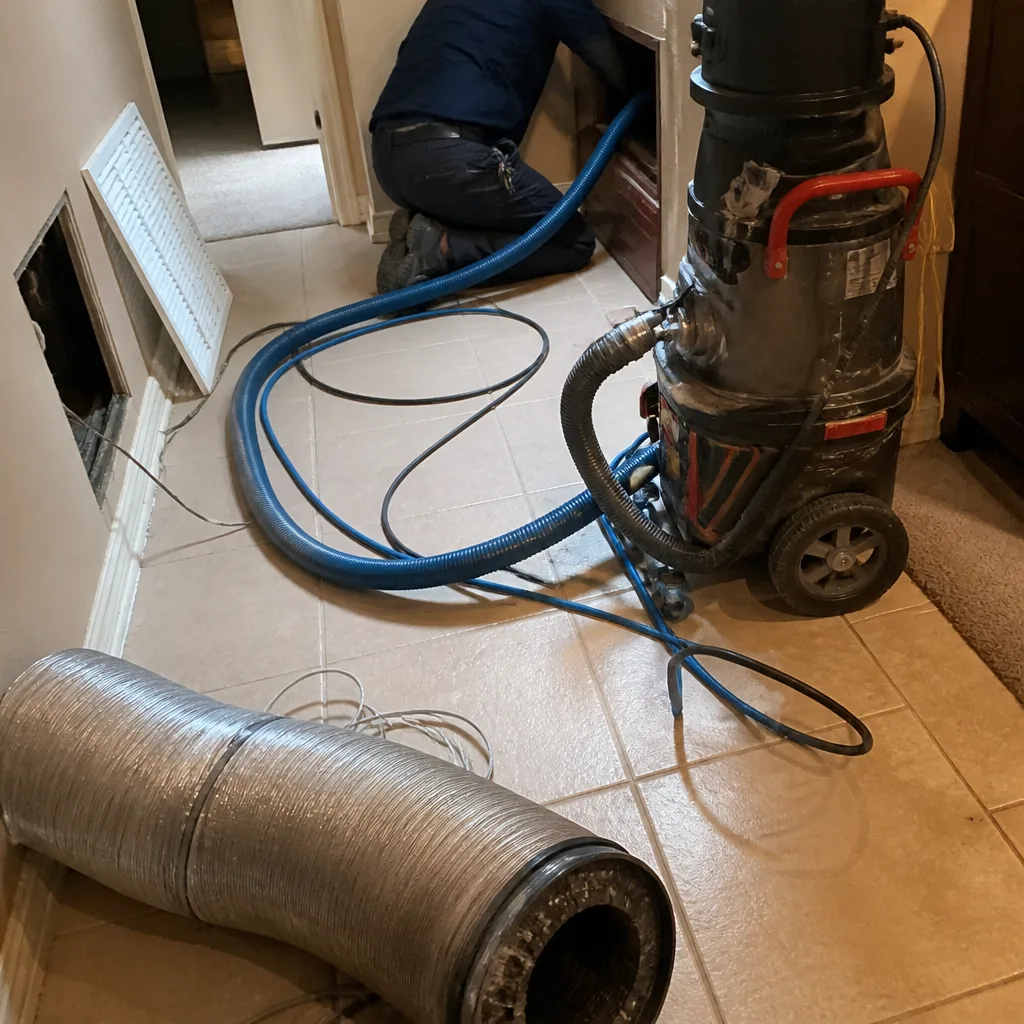 Before
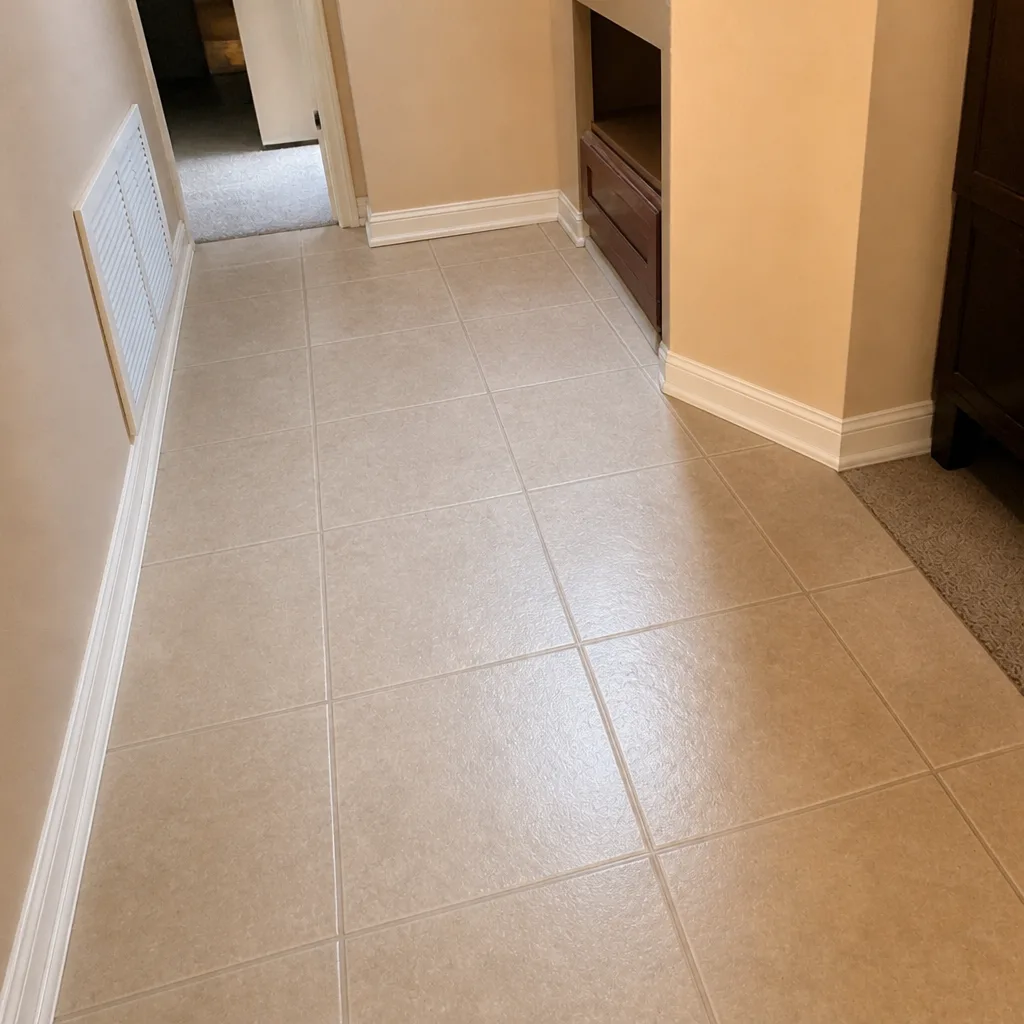 After
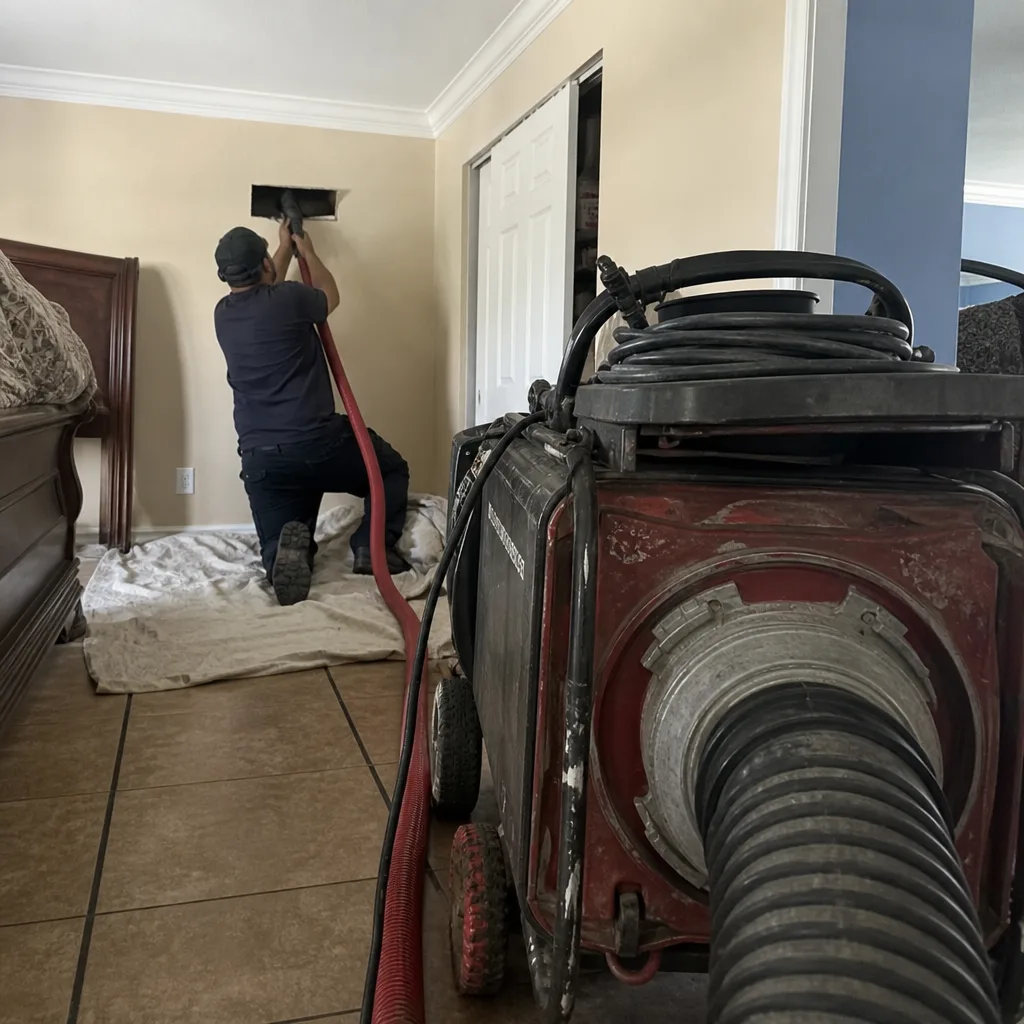 Before
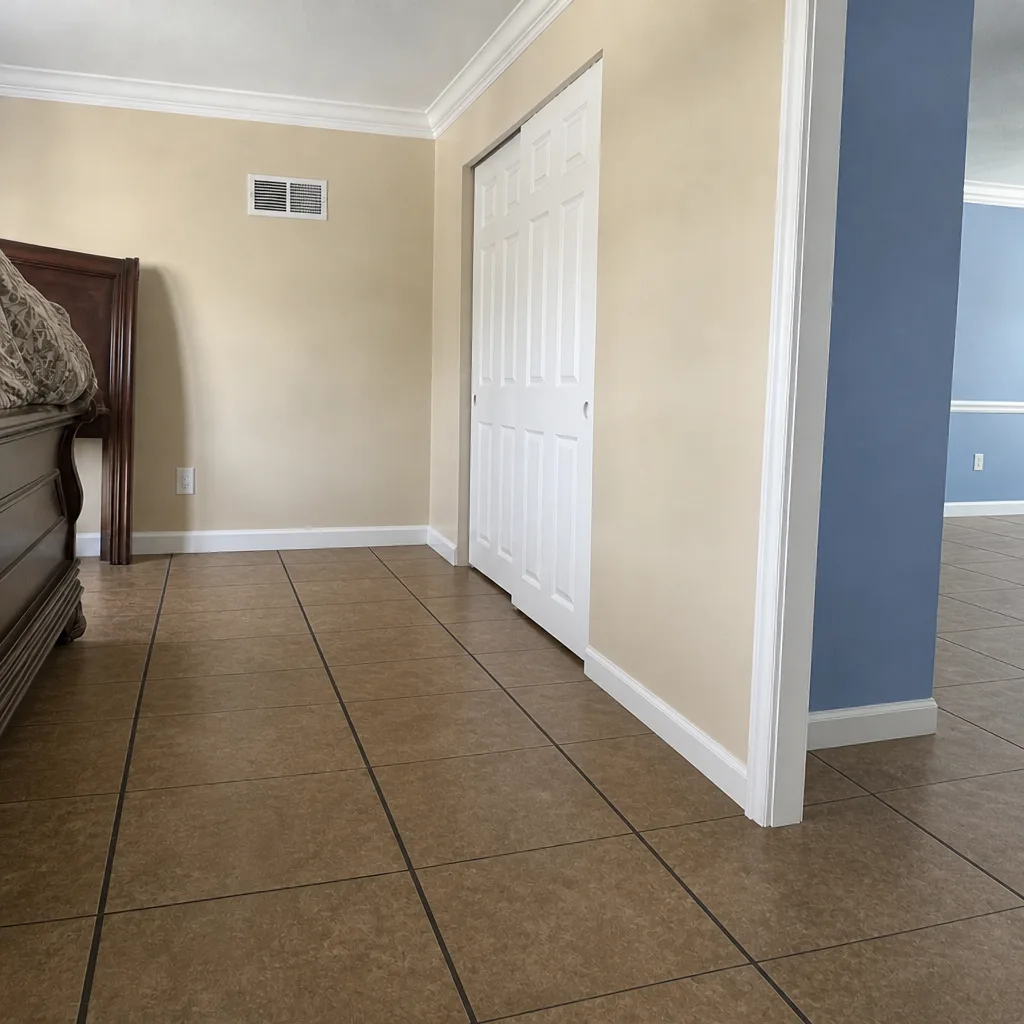 After
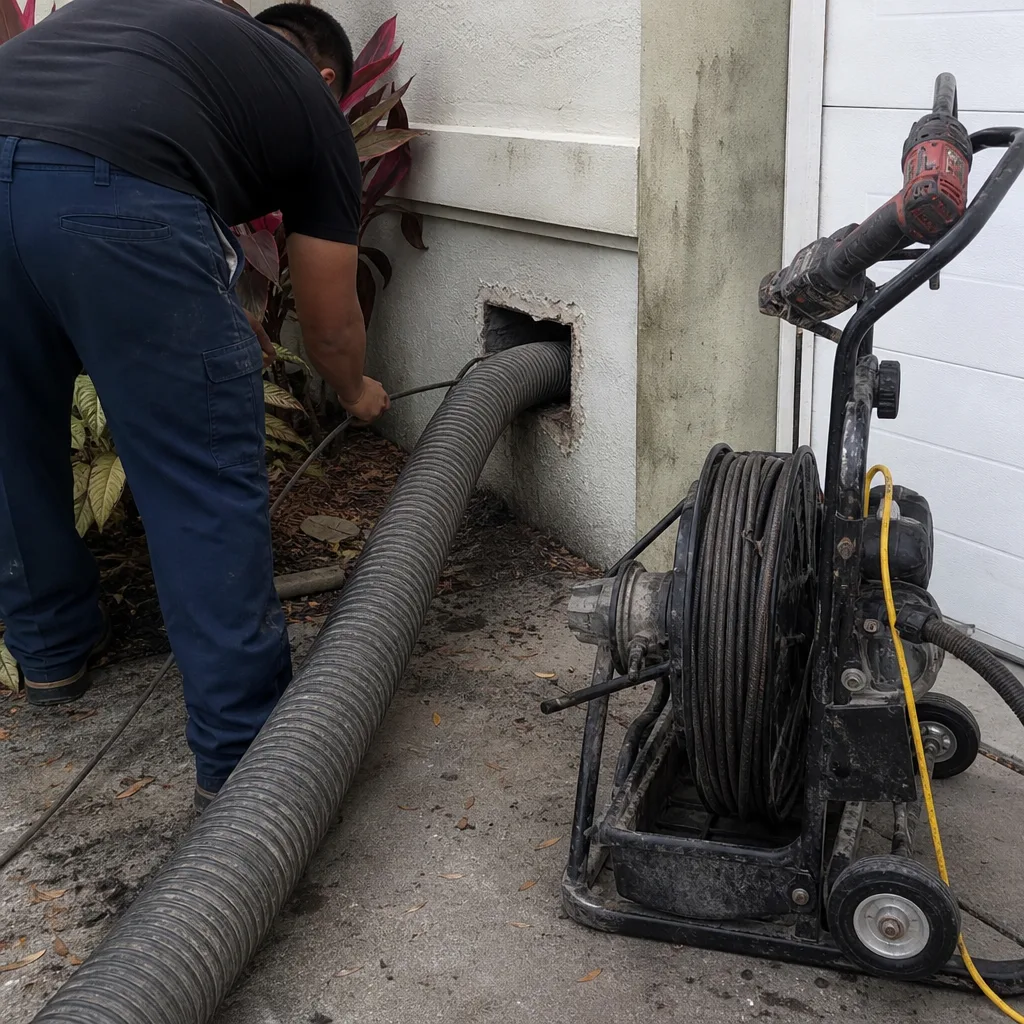 Before
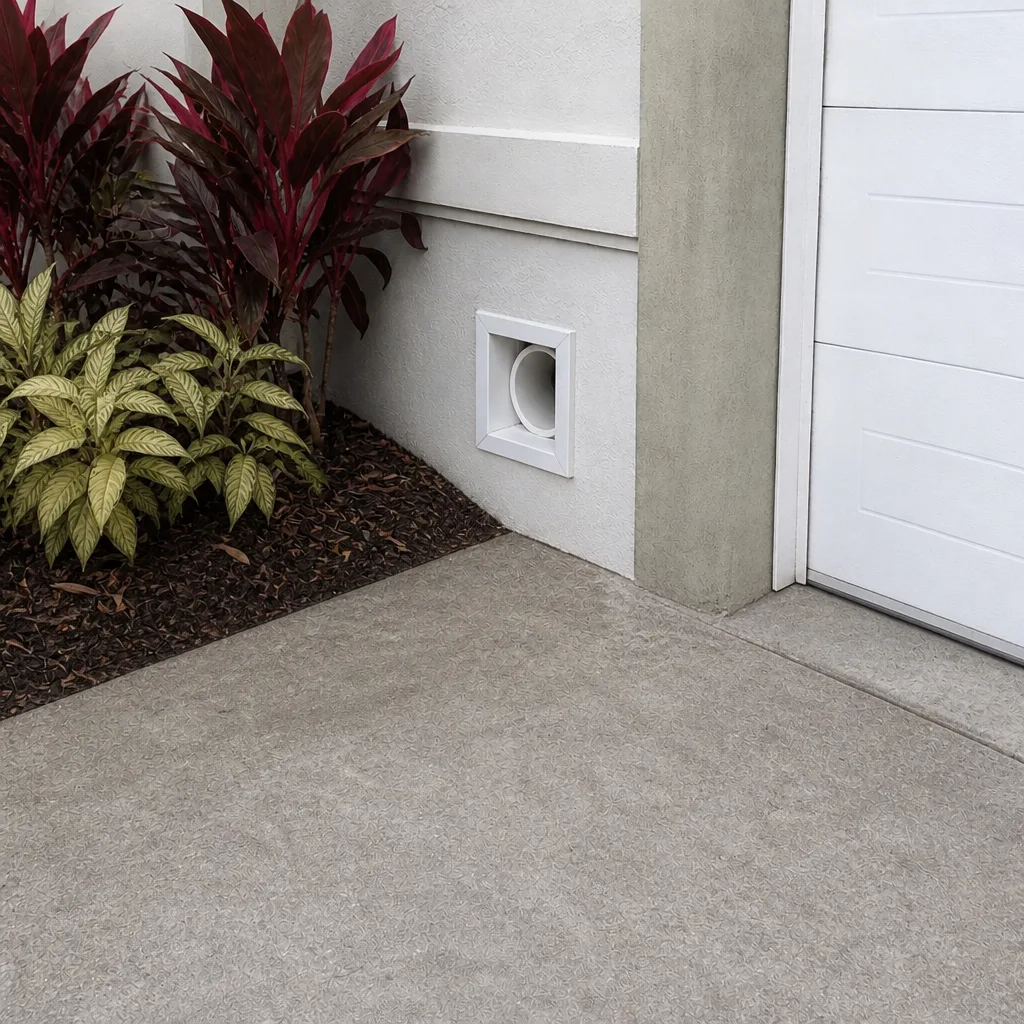 After
When to Call a Professional
Some things you can reasonably inspect yourself – visually checking duct connections in the attic, replacing filters, or looking for obvious crushed runs. But in a hot, humid climate like Port St. Lucie’s, the line between “noticed a sag” and “needs a mechanical repair” can be hard to judge. Call a professional when: airflow is inconsistent in one or more rooms, you can see crushed or disconnected duct in the attic, dust returns faster than usual after cleaning, the system seems to run longer than it used to, or a home inspector flags duct work. Also call before any duct repair – a licensed mechanical contractor can confirm whether a permit is required and handle the inspection side. If your attic ducts show any signs of damage, don’t let a patch become a resale problem. Hometown Air Duct Cleaning offers free estimates in Port St. Lucie – call (866) 502-9547.
Frequently Asked Questions
No. Routine air duct cleaning is maintenance, not construction, and does not require a St. Lucie County permit. The permit requirement kicks in when the work involves duct repair or replacement that alters the mechanical system – new duct material, sealed connections, or changed insulation. If you’re unsure, describe the work to the county building department and they’ll confirm. Call (866) 502-9547 if you want a technician to assess the system first.
Section 603 is the portion of the Florida Building Code, Mechanical, that governs duct systems – materials, insulation, sealing, support, and routing. It sets the standards a permitted duct repair or replacement must meet to pass inspection. Homeowners don’t need to know the section line-by-line, but understanding what it covers helps you ask better questions of any contractor. Call (866) 502-9547 for help determining whether your duct work crosses into permitted territory.
Use the DBPR license lookup tool online. Search by license number or by name, confirm the license is active, and confirm the class covers mechanical work including duct repair. Also ask for a copy of the contractor’s certificate of insurance. A license number alone isn’t enough – the class has to cover the specific work being done. Call (866) 502-9547 to discuss what’s involved in your case.
Repair restores a section of the existing system to working order without changing its design – resealing a joint or replacing a short section of flex duct. Replacement removes and installs new duct work or a substantial portion of the system. Both can require a permit, and replacement almost always does. The inspector checks materials, insulation, sealing, support, and connections at the air handler. Call (866) 502-9547 if you’re not sure which category your job falls into.
Keep the permit number, final inspection approval, the contractor’s invoice with scope of work, photos of the work performed, the contractor’s license number, and material specifications if duct was replaced. This file protects you at resale when a buyer’s inspector asks for evidence the work was done legally and correctly. If paperwork is missing, a licensed contractor can usually help you sort out the options. Call (866) 502-9547 for a free estimate on any duct work you’re planning.
Yes. Home inspectors look for mechanical work without a permit trail, and a missing permit can delay a closing while paperwork is sorted out. Sometimes a retroactive permit or a licensed contractor’s inspection resolves it, but doing that under a closing deadline is avoidable stress. The straightforward fix is to keep the paperwork in the first place. Call (866) 502-9547 if you’re planning duct work and want it documented properly.
The Bottom Line
Cleaning your ducts in Port St. Lucie doesn’t require a permit. Repairing or replacing them usually does. That single distinction is what separates a routine maintenance visit from a code-regulated mechanical job, and it’s the difference between a clean paper trail at resale and a delayed closing. Verify your contractor’s license through DBPR, ask before work starts whether a permit is required, keep the paperwork, and don’t let a quick attic patch turn into a resale problem. If you’re scheduling dryer vent cleaning or duct work in the Port St. Lucie area, a free estimate is the right place to start.
Call (866) 502-9547 for a free estimate. We answer 24/7. Fast dispatch from 7am to 7pm, Sunday through Friday. We’re licensed and insured, and we clean with professional-grade Rotobrush and Nikro equipment with Abatement Technologies negative-pressure containment – then repair and document what we find, so the system and the paperwork both hold up.
Written by the team at Hometown Air Duct Cleaning.