
Last updated November 16, 2026
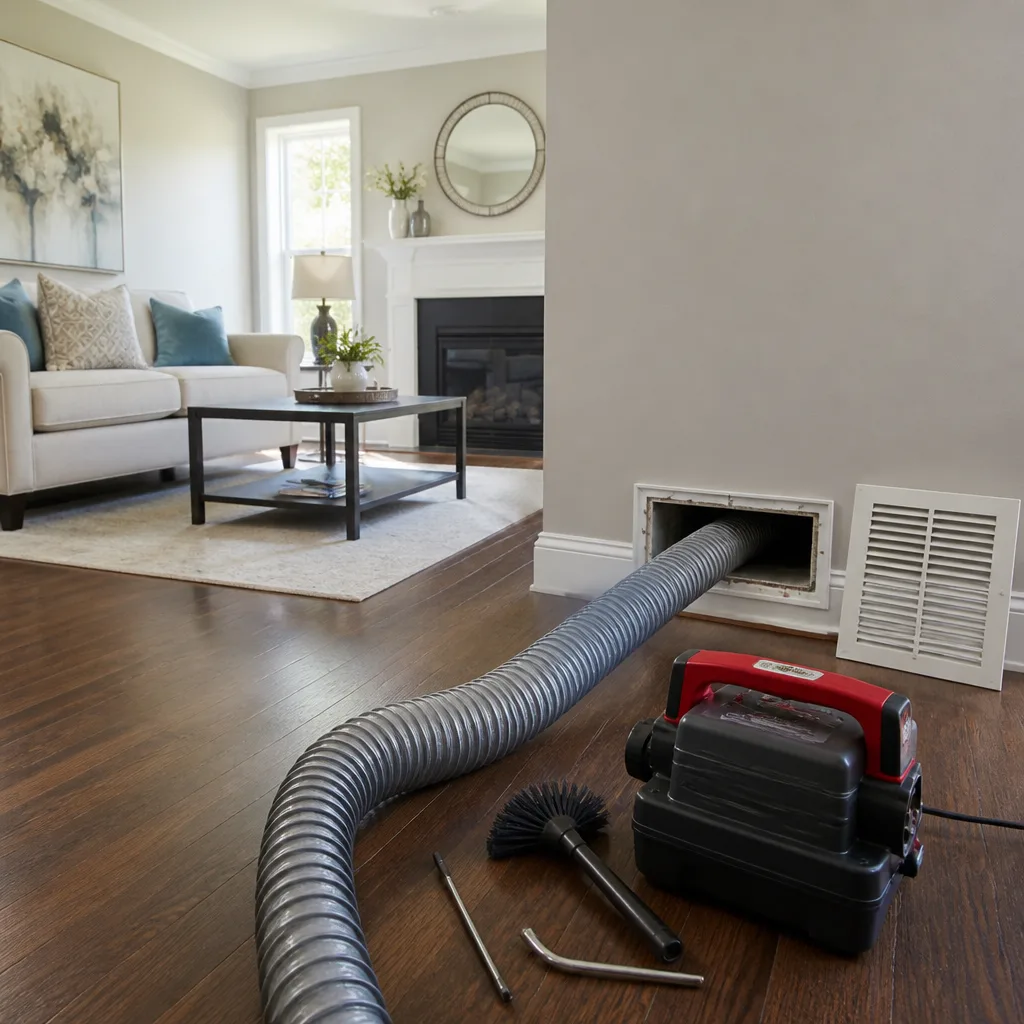 Whole-home duct cleaning
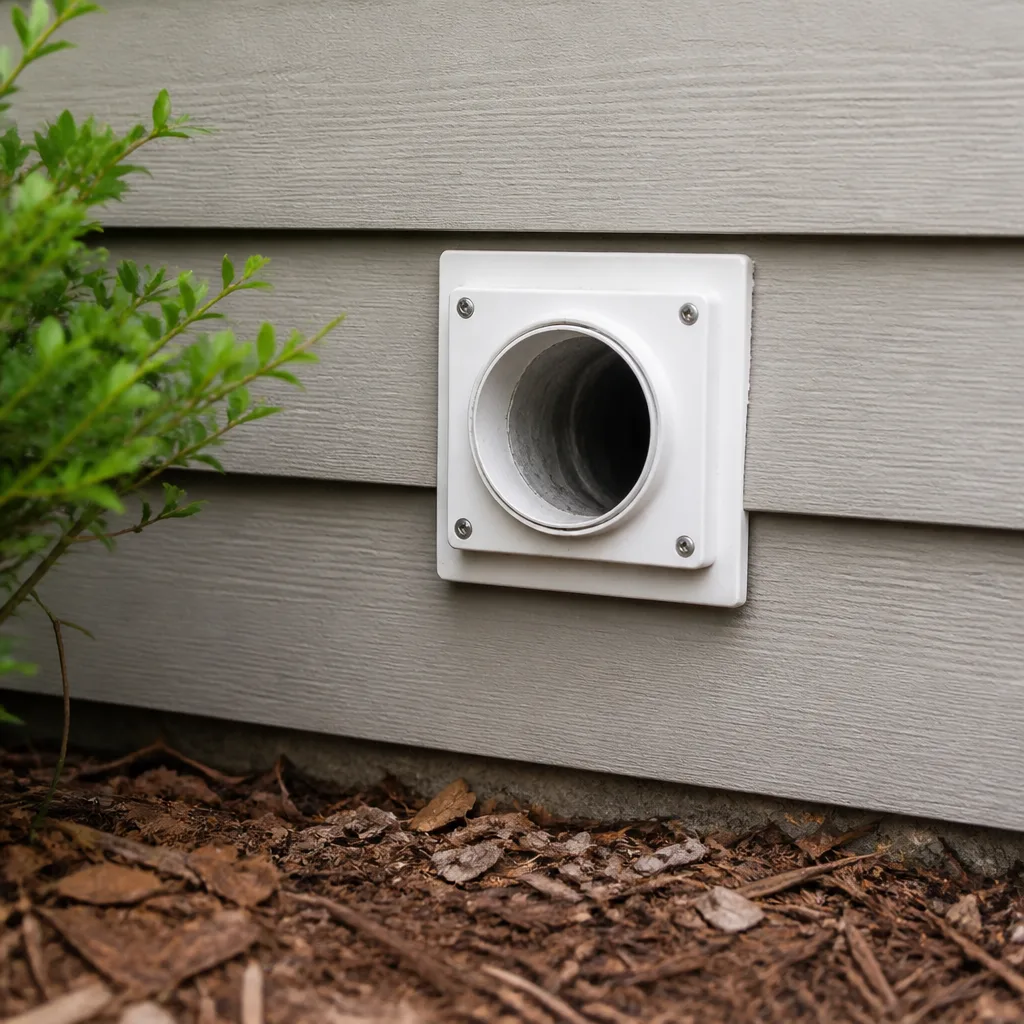 Dryer vent cleaning
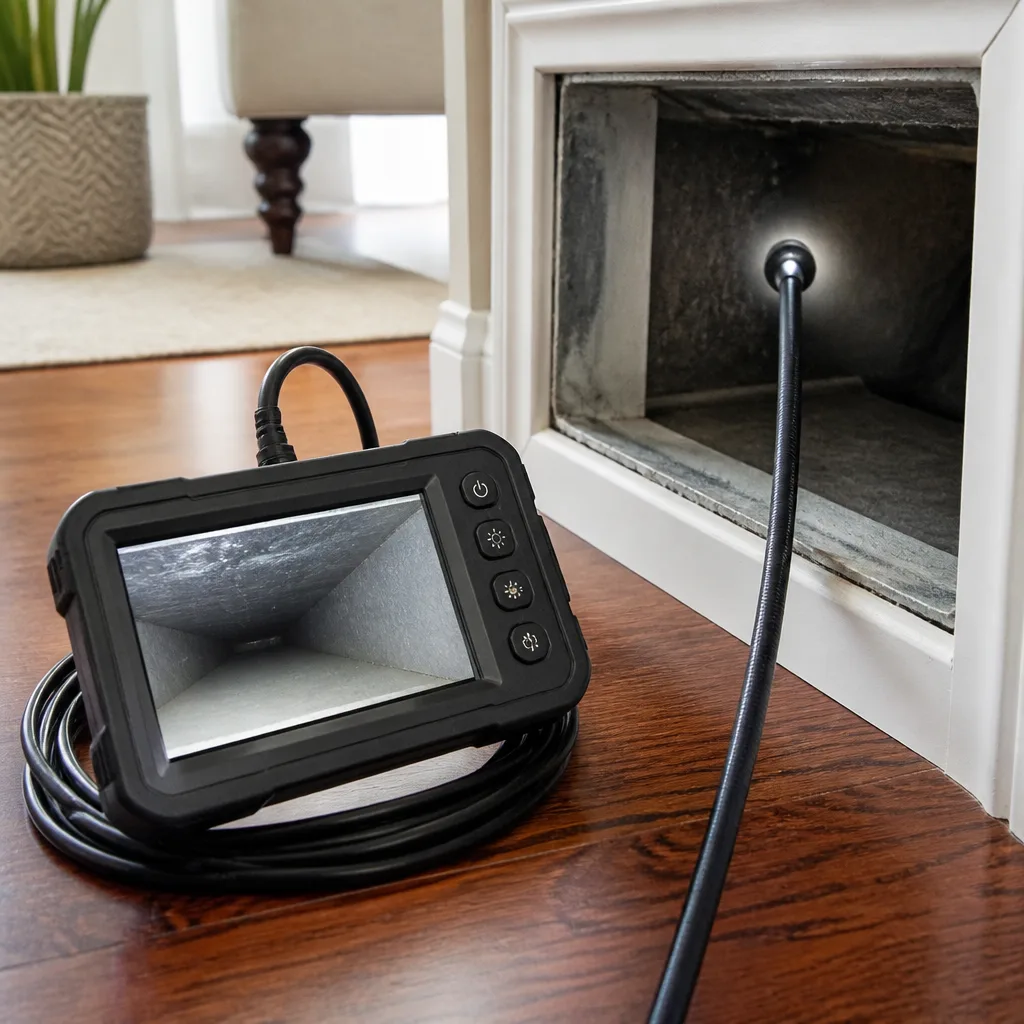 Camera inspection
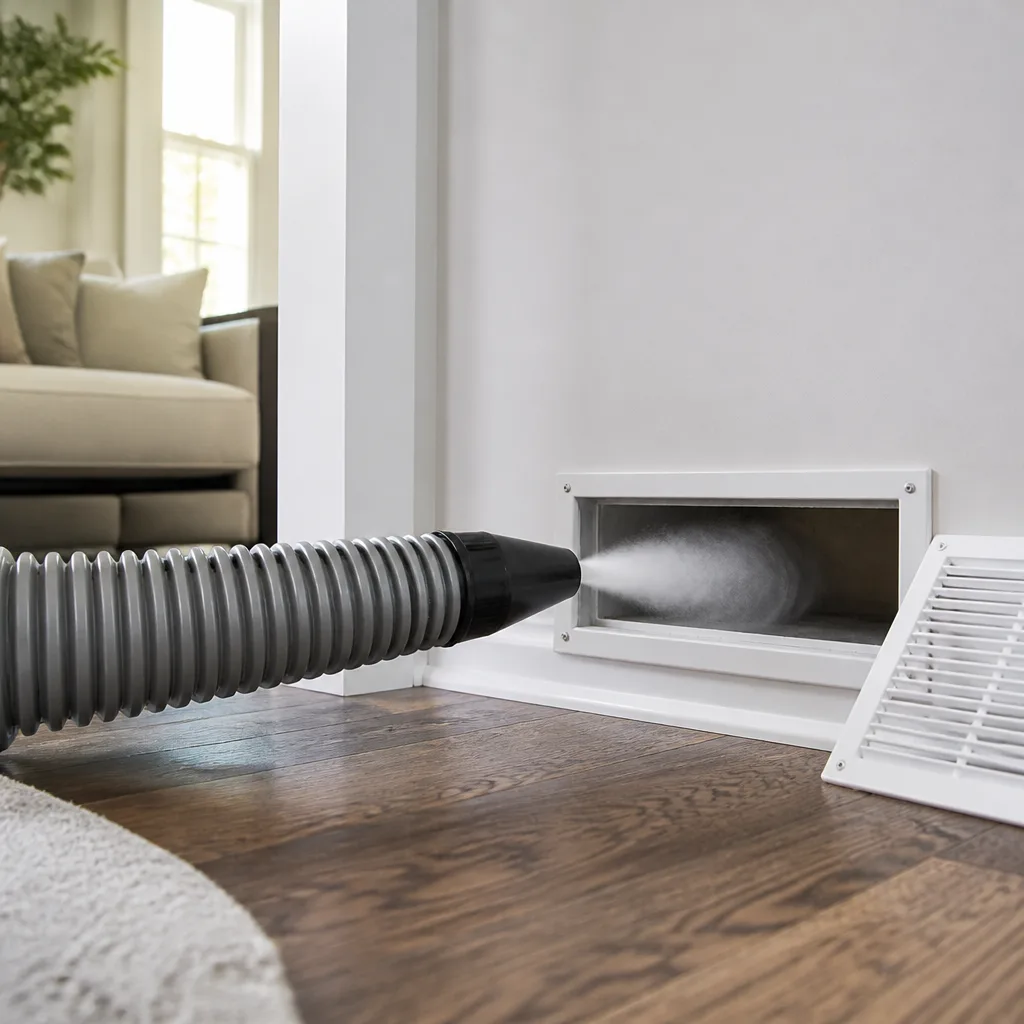 Sanitizing & deodorizing
Whole-system duct and dryer vent check with before-and-after photos - you see exactly what came out of your vents
That "$99 whole-house special" is a bait ad - the real number appears once they are in your hallway, or the "clean" is a shop-vac at the register. We photograph the inside of your ducts before and after instead.
DIY vs Professional Air Duct Cleaning: The Port St. Lucie Homeowner’s Decision Guide
The most popular DIY duct cleaning method – leaf blower into one register, shop vacuum at the return – doesn’t remove debris from your system. It relocates it. In a Port St. Lucie home with flex duct runs, some of what you dislodge settles into low spots and stays there, drying into the duct wall and feeding every airflow cycle that follows. The DIY versus professional framing usually centers on skill. The real dividing line is physics: consumer tools can’t create the negative-pressure environment that source removal requires. This guide walks through what actually happens inside your ducts, what you can safely handle yourself, and how to decide when the job has outgrown a homeowner’s toolkit.
Quick Answer
Professional air duct cleaning is worth it when your ducts hold visible debris, mold, or post-water-intrusion contamination, because only professional equipment generates the negative pressure needed to extract debris from the system rather than push it around. DIY work is reasonable for register cleaning, return grille cleaning, and visual inspections. If you’re in Port St. Lucie and your ducts haven’t been cleaned in years, or you’ve had water intrusion, call a specialist rather than improvising with a leaf blower.
Styles & brands we work with
- Whole-home duct cleaning
- Dryer vent cleaning
- Camera inspection
- Sanitizing & deodorizing
Table of Contents
- Why Negative-Pressure Source Removal Works and DIY Doesn’t
- What Homeowners Can Legitimately Do Themselves
- When DIY Makes Contamination Worse
- The Real Cost Gap: DIY Supplies vs. Professional Service
- The One Situation Where Professional Cleaning Is Non-Negotiable
- How Port St. Lucie’s Climate Changes the Calculation
- How to Choose a Duct Cleaning Provider in Port St. Lucie
- Common Mistakes to Avoid
Why Negative-Pressure Source Removal Works and DIY Doesn’t
Duct cleaning is a containment problem before it’s a cleaning problem. Debris sitting on duct walls is held there by static, moisture, and airflow patterns. To remove it, you have to agitate it loose and capture it in the same motion, or it re-enters the living space the moment the system runs again. That’s why professional source removal depends on two things happening at once: mechanical agitation of the duct surfaces, and enough negative pressure to pull dislodged material into a HEPA-filtered collection unit before it escapes.
The numbers matter here. Professional truck-mounted and high-capacity portable vacuum systems generate airflow in the range of 2,000 CFM and up, paired with HEPA filtration rated for fine particulate. Consumer shop vacuums and leaf blowers top out at a fraction of that, and none of them hold a sealed negative-pressure state across an entire duct system. When you blow air into one register, the pressure has to go somewhere. In a Port St. Lucie home with a typical flex duct layout, it goes out the nearest return, out gaps at joints, and into the living space – carrying whatever was on the duct wall with it.
Professional equipment is designed around that reality. The Hometown Air Duct Cleaning approach uses Rotobrush brush-contact systems to physically agitate duct walls, Nikro HEPA vacuum rigs to capture what comes loose, and Abatement Technologies negative-air equipment to hold containment so nothing recirculates into the home during the job. The brush makes contact. The vacuum captures. The containment holds. Remove any one of the three and you’ve turned cleaning into redistribution.
This is also why surface maintenance and source removal are different categories of work. Wiping down a register cover is surface maintenance. Source removal requires equipment that can put the whole system under negative pressure, agitate every run, and filter what it pulls out.
What Homeowners Can Legitimately Do Themselves
Plenty of duct-adjacent work falls inside the DIY boundary. The line to respect is anything that requires opening the duct system itself or working inside the plenum. Here’s what’s safe, useful, and actually extends the life of your system between professional cleanings.
- Remove and wash register covers and return grilles. Pop them off, wash them in a utility sink with mild soap, dry them fully, and reinstall. Buildup on the grille face restricts airflow more than most homeowners realize, and it’s a five-minute job per register.
- Vacuum the return grille face and the immediate duct opening behind it. Use a brush attachment on a household vacuum. Stay at the opening; don’t push a hose down the run.
- Change your air filter on schedule. A clogged filter strains the blower and lets more particulate settle in the ducts downstream. Check it monthly during heavy AC season in Port St. Lucie; our cooling season runs most of the year.
- Do a visual inspection of accessible duct runs. Look for disconnected joints, crushed flex sections, visible debris accumulation at the register boots, and moisture staining near the air handler. Take photos to show a technician later.
- Check the outside dryer vent flap. With the dryer running, the exterior flap should open freely and push air out. If it barely moves or lint is packed behind the flap, that’s a sign to book dryer vent cleaning rather than to open the vent yourself.
- Keep the air handler closet clean and unobstructed. Clear stored items away from the unit so it can breathe and so you can see leaks quickly.
That’s the honest DIY list. It’s real work and it helps. But none of it touches what’s bonded to the inside of your duct runs, and none of it addresses the main reason ducts get dirty in the first place: years of unfiltered return air settling debris on surfaces you can’t reach.
When DIY Makes Contamination Worse
There are specific situations where a homeowner’s cleaning attempt doesn’t just fail to help – it actively spreads contamination through the house. These are the scenarios that turn a manageable problem into a much larger one.
- Disturbing a mold colony without containment. If you see visible growth inside a register or on a duct wall, running air or brushing at it aerosolizes spores into the living space. Mold remediation requires negative-pressure containment and HEPA capture, which is professional territory. We don’t perform mold remediation, and we’ll tell you so – but any cleaning of a confirmed mold-affected system needs it.
- Crushing flex duct during access. Flex duct is easy to kink or crush if you’re moving it out of the way to reach a run. A crushed section restricts airflow permanently and forces the blower to work harder, which can raise energy use and shorten equipment life. Once it’s crushed, the fix is replacement, not straightening.
- Blowing air into one register with a leaf blower. This is the most common DIY method and the least effective. It pushes surface debris off the near wall and into the living space, plus low spots where it settles permanently.
- Spraying liquid cleaners into the system. Retail duct sprays can leave residue that traps new dust, and moisture in a Florida duct system is how you grow a problem rather than solve one.
- Opening the air handler cabinet. The blower compartment is electrical. Working inside it without training is a shock hazard, and re-sealing it incorrectly can pull unconditioned attic air into the system.
Here’s the rule that separates the two: if the work involves opening the duct system, adding moisture, or disturbing visible growth, it’s past the DIY line. Register and grille cleaning is inside the line. Duct interiors are not.
The Real Cost Gap: DIY Supplies vs. Professional Service
The cost question usually compares a rough DIY supply figure against a professional quote. That’s not the right comparison. The right one is what the price gap actually buys in a Port St. Lucie home, because professional cleaning isn’t just a bigger version of a leaf-blower job. It’s a different category of work.
DIY supplies for a serious home attempt typically run a homeowner under $100: a shop vacuum, a brush attachment, cleaning solution for grille covers. What that doesn’t include is HEPA-rated negative-pressure capture, brush-contact agitation of duct walls, containment, or the ability to repair what the cleaning turns up. A professional air duct cleaning in Port St. Lucie is priced per system, based on the number of runs, accessibility, and condition – not per vent, and not as a teaser coupon price that balloons on site. The estimate is free, and the written estimate sets the final price before any work starts.
What the gap buys, concretely:
- Source removal, not surface maintenance. Debris comes out of the system rather than being pushed through it.
- Containment. Negative-air equipment keeps dislodged material out of your living space while the work is happening.
- Repair capability. A duct-cleaning crew that can’t fix a disconnected joint or a crushed run leaves the problem in place. We repair what we find; most standalone duct-cleaning companies don’t.
- Before-and-after photos. You see the difference, not just a receipt.
- Air-quality add-ons that fit. Professional crews work with filtration and IAQ lines like Honeywell and Aprilaire, so a filter or media cabinet upgrade can happen as a natural follow-on to cleaning instead of as a separate project.
To get an exact quote for your home, call (866) 502-9547 – estimates are free.
The One Situation Where Professional Cleaning Is Non-Negotiable
If your home has had water intrusion into the duct system, or you have confirmed mold presence anywhere in the HVAC or duct path, professional cleaning is not a budget decision. It’s the only safe option. Water intrusion – from a roof leak, a supply-line failure, or a storm event – can wet the interior lining of flex duct and insulation, creating the exact conditions mold needs. Running the system afterward spreads that contamination through every room.
What professional handling looks like in that situation:
- Containment first. Negative-air equipment is set up before any cleaning begins, so dislodged material stays out of the living space.
- HEPA capture. Nikro HEPA vacuum equipment is rated for the fine particulate that comes with mold-affected duct work.
- Assessment of duct condition. Flex duct that has been soaked often can’t be cleaned back to a safe condition and needs replacement – which is where air duct repair capability matters.
- Honest scope. If the issue is mold remediation rather than cleaning, we say so and point you to the right specialist. Duct cleaning is what we do; mold remediation is a separate trade.
Everything else on this page is a judgment call. This one isn’t. Call (866) 502-9547 for a free estimate if water has been in your system.
How Port St. Lucie’s Climate Changes the Calculation
Port St. Lucie’s warm, humid climate tilts the DIY-versus-professional calculation more than it would in a drier market. The AC runs hard for most of the year, which means the blower moves a lot of air through the system, which means more particulate settles on duct walls. That’s not a scare tactic – it’s just how airflow and filtration interact. When the system runs 10 or 11 months a year, the accumulation curve is steeper than it is where the heat pump sits idle for four months.
Humidity is the other factor. A duct system in a Port St. Lucie home can develop condensation on cold surfaces during the cooling season, and any dust coating those surfaces becomes a food source for biological growth. That’s why a duct system that looks fine in a drier climate can look much worse in a Port St. Lucie home after the same number of years.
What that means for the decision:
- More frequent filter changes. Monthly during heavy use is reasonable, not excessive.
- Closer attention to moisture. Any musty smell from a register, water staining near the air handler, or a damp insulation blanket is a signal to stop and get the system checked.
- Air-quality upgrades that fit Florida. A media filter or IAQ upgrade from a Honeywell or Aprilaire line can reduce how quickly ducts load up again after cleaning. Professional technicians can recommend and install these on the spot; DIY retrofit is where most homeowners get the sizing wrong.
Houses in neighborhoods across Port St. Lucie from Tradition to the River Park area tend to have similar flex-duct layouts in construction of the same era, so the same physical dynamics apply across the city. The point isn’t which neighborhood you’re in. It’s that the climate here puts every duct system on a faster clock.
How to Choose a Duct Cleaning Provider in Port St. Lucie
The duct-cleaning trade has a well-earned reputation problem. Bait-and-switch pricing – a cheap coupon that becomes a much larger invoice once the technician is inside – is common enough that homeowners are right to be careful. Here’s what to look for, in order.
- Named professional equipment. Ask what system they use. Brush-contact agitation, HEPA vacuum capture, and negative-pressure containment are the three parts of real source removal. If the answer is vague, ask again.
- One flat price per system, agreed in writing before work starts. Not per vent. Not a coupon price that “may adjust.” A written estimate that sets the final price.
- Before-and-after photos of your own ducts. Not stock photos. Not a generic slideshow. Photos of the runs inside your house.
- Repair capability. A company that can fix a disconnected joint or a crushed run in the same visit is more useful than one that can only clean.
- Clear scope on what they don’t do. A duct specialist should tell you when a job belongs with a mold remediation contractor or an HVAC technician.
- Licensed and insured. Ask for proof before booking.
Hometown Air Duct Cleaning is built around that list. We’re a duct-system specialist, not a general HVAC company with cleaning as an add-on. Our technicians have up to 15 years of experience, and they work with Rotobrush, Nikro, Abatement Technologies, and Guardsman equipment and products. We do duct cleaning, dryer vent cleaning, and duct repair under one roof, so one crew, one visit covers the whole job.
Common Mistakes to Avoid
- Leaf-blowing the system from one register. This is the mistake that starts most of the rest. It relocates debris into the living space and into low spots, where it settles permanently. If air can’t be captured, it shouldn’t be pushed.
- Using a shop vac as a duct vacuum. A shop vac’s filter isn’t rated for fine particulate, and it doesn’t create negative pressure across the system. It pulls from one spot and exhausts the rest into the room.
- Ignoring the dryer vent because “it’s just lint.” Dryer vent cleaning is a fire-safety service, not a maintenance chore. Lint buildup behind the flap and inside the run is a genuine risk. Treat it accordingly.
- Spraying liquid cleaners into ducts to “kill” odors. Moisture in a Port St. Lucie duct system is how you grow a problem. Odor usually traces back to moisture or contamination that needs removal, not masking.
- Opening the air handler cabinet yourself. Electrical hazard, and re-sealing incorrectly pulls attic air into the system. If you need to inspect the coil, have a technician do it.
- Booking the cheapest coupon offer without confirming scope. The coupon model is the bait-and-switch model. Ask for a per-system written estimate before anyone comes out.
- Skipping filter changes because the system “seems fine.” The filter is the first line of defense. Skip it and the ducts become the second, which is expensive.
See the difference
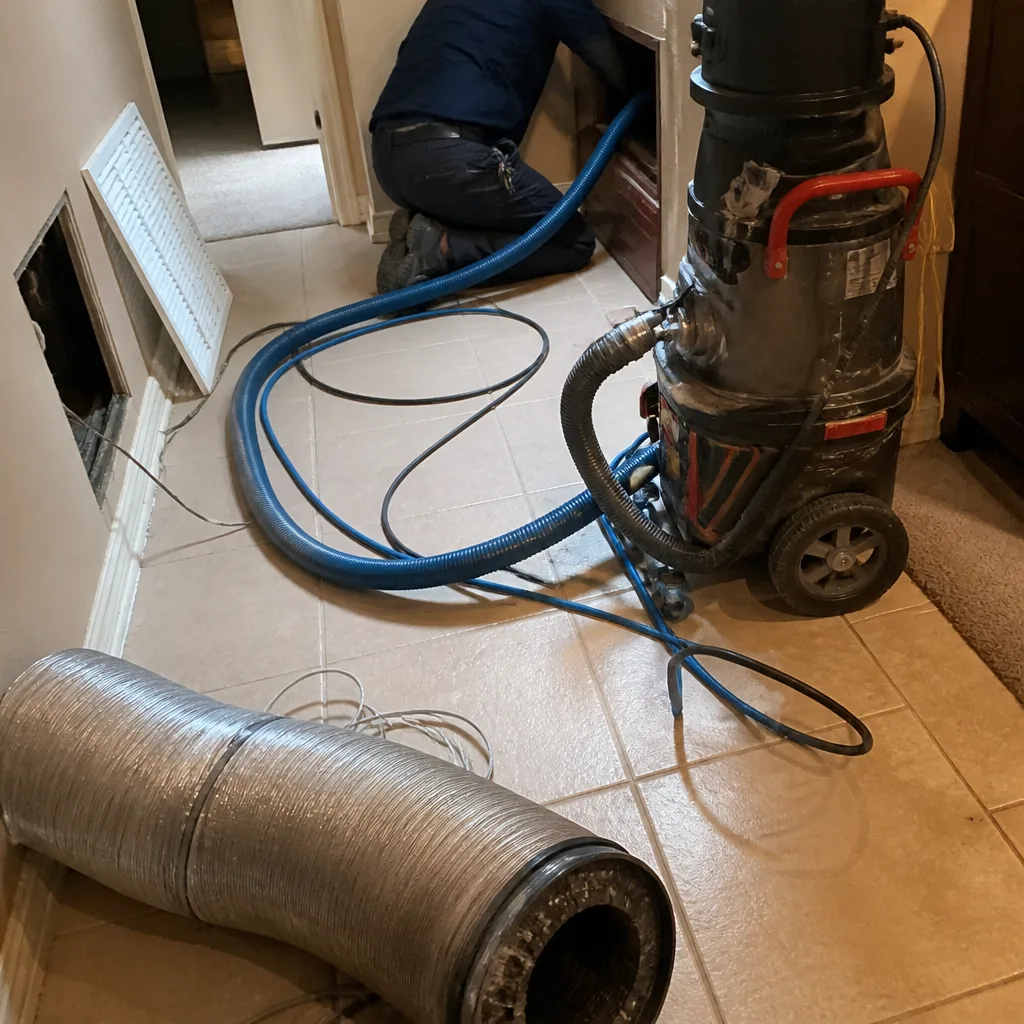 Before
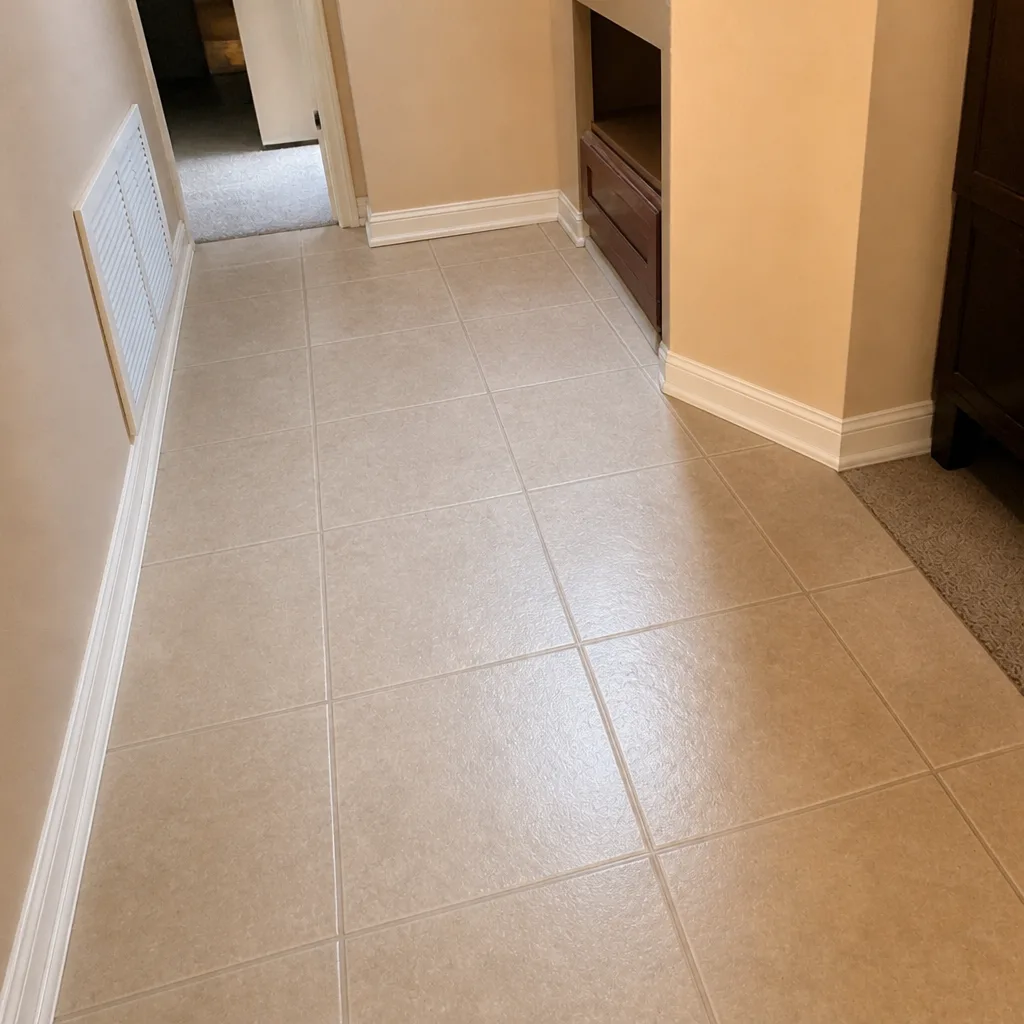 After
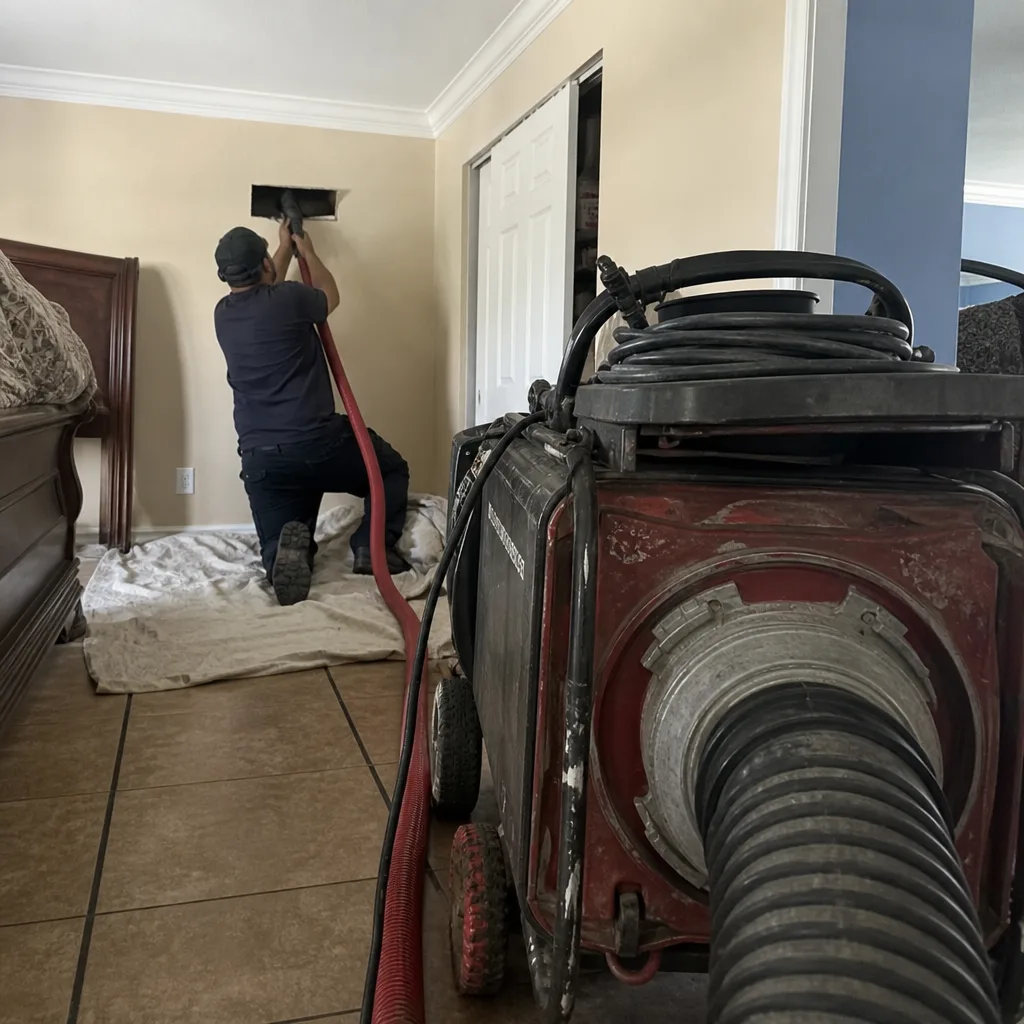 Before
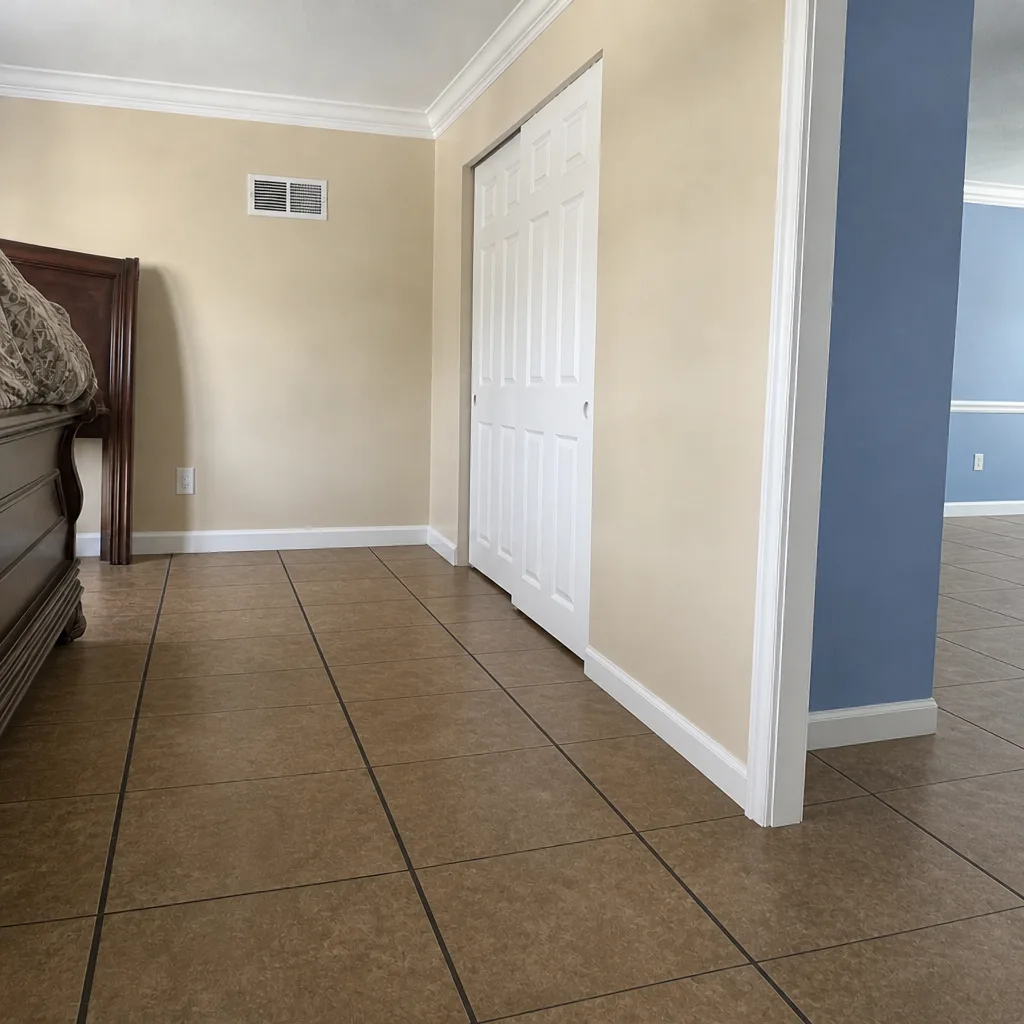 After
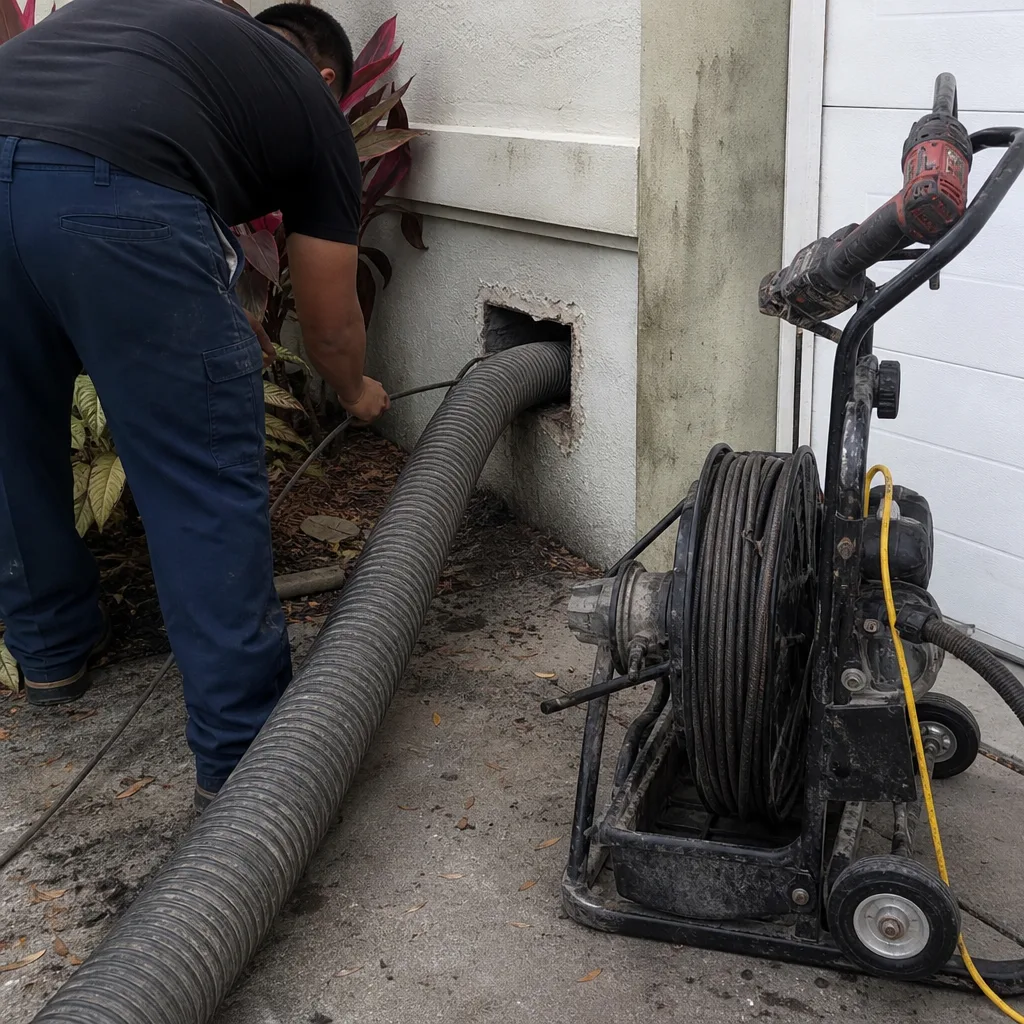 Before
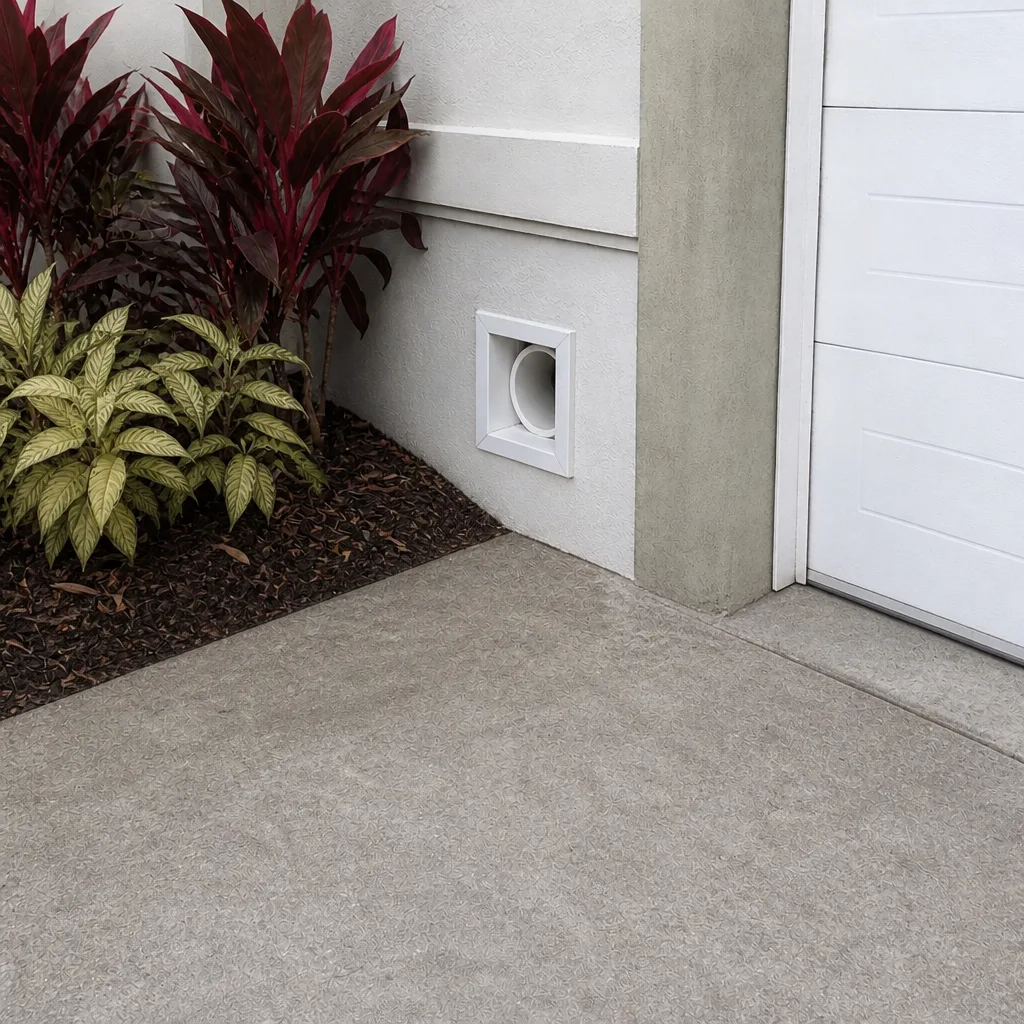 After
When to Call a Professional
Call a professional when the job crosses the line from surface maintenance into source removal. That includes visible debris accumulation at registers, visible mold growth anywhere in the duct path, musty odors that persist after filter changes, any water intrusion into the system, crushed or disconnected duct runs, and the general case where the system has gone years without cleaning in a Port St. Lucie home that runs its AC most of the year. Dryer vent cleaning is also a professional job once lint is packed behind the flap, and it’s a fire-safety matter, not a weekend project. If you’re unsure whether your situation needs cleaning or repair, Hometown Air Duct Cleaning offers free estimates in Port St. Lucie – call (866) 502-9547. We answer 24/7. Fast dispatch from 7am to 7pm, Sunday through Friday.
Frequently Asked Questions
No. A shop vac can clean register covers and the immediate duct opening behind a return grille, but it can’t generate the negative pressure or HEPA-rated capture that source removal requires. Pushing a shop vac hose into a duct run usually deposits debris loosened from the near wall into low spots and the living space rather than removing it. For actual duct interior cleaning, professional equipment is the only method that works.
Professional air duct cleaning in Port St. Lucie is priced per system, not per vent, and the written estimate sets the final price before work starts. Cost depends on the number of runs, accessibility, and condition. We don’t quote teaser coupon prices because those are the mechanism behind the industry’s bait-and-switch reputation. Call (866) 502-9547 for a free estimate.
Cheap quotes usually mean the work is surface maintenance priced as if it were source removal – or a low teaser price that grows once the technician is inside the home. The three elements of real cleaning are brush-contact agitation, HEPA vacuum capture, and negative-pressure containment. When all three are present, the price reflects a job that actually removes debris. When a quote seems too low, ask what equipment is used and whether the price is per system in writing. Call (866) 502-9547 if you want an honest scope.
Ask for before-and-after photos of your own ducts, not stock images. A professional job includes photos of the runs inside your house, before cleaning and after, so you can see the difference. If a provider won’t provide them, that’s the answer. We provide before-and-after photos on every job. Call (866) 502-9547 for a quote.
There’s no single correct interval, but in Port St. Lucie the AC runs most of the year, which loads the ducts faster than in a milder climate. Many homeowners find cleaning worth considering every few years, and sooner after water intrusion, visible debris, or musty odors. A filter change schedule does more to slow buildup than any other single habit. Call (866) 502-9547 if you’re not sure where your system stands.
We’re closed Saturday. We’re open Sunday through Friday, 7am to 7pm, and that’s when crews are dispatched. If you call outside dispatch hours, we answer, and your job is booked into the next opening, Sunday through Friday, 7am to 7pm. Call (866) 502-9547 and we’ll get you scheduled.
The Bottom Line
The DIY-versus-professional question is really about what you’re trying to accomplish. If you want surface maintenance – grilles, registers, filters, visual checks – do it yourself, and do it well. If you want source removal, the choice isn’t about skill; it’s about whether your tools can put the whole system under negative pressure while agitating every run and capturing what comes out. In a Port St. Lucie home running AC most of the year, the accumulation curve is steep, and the shortcuts that push air around instead of pulling debris out tend to make the problem worse. Clean what you can reach. Call a specialist for what you can’t.
Hometown Air Duct Cleaning specializes in air duct cleaning, dryer vent cleaning, and air duct repair across Port St. Lucie. Our technicians have up to 15 years of experience, we clean with Rotobrush, Nikro, Abatement Technologies, and Guardsman systems, and we repair what we find rather than leave it documented. Every job gets a written estimate before work starts and before-and-after photos when it’s done. Call (866) 502-9547 for a free estimate. We answer 24/7. Fast dispatch from 7am to 7pm, Sunday through Friday.
Written by the team at Hometown Air Duct Cleaning.