
Last updated November 16, 2026
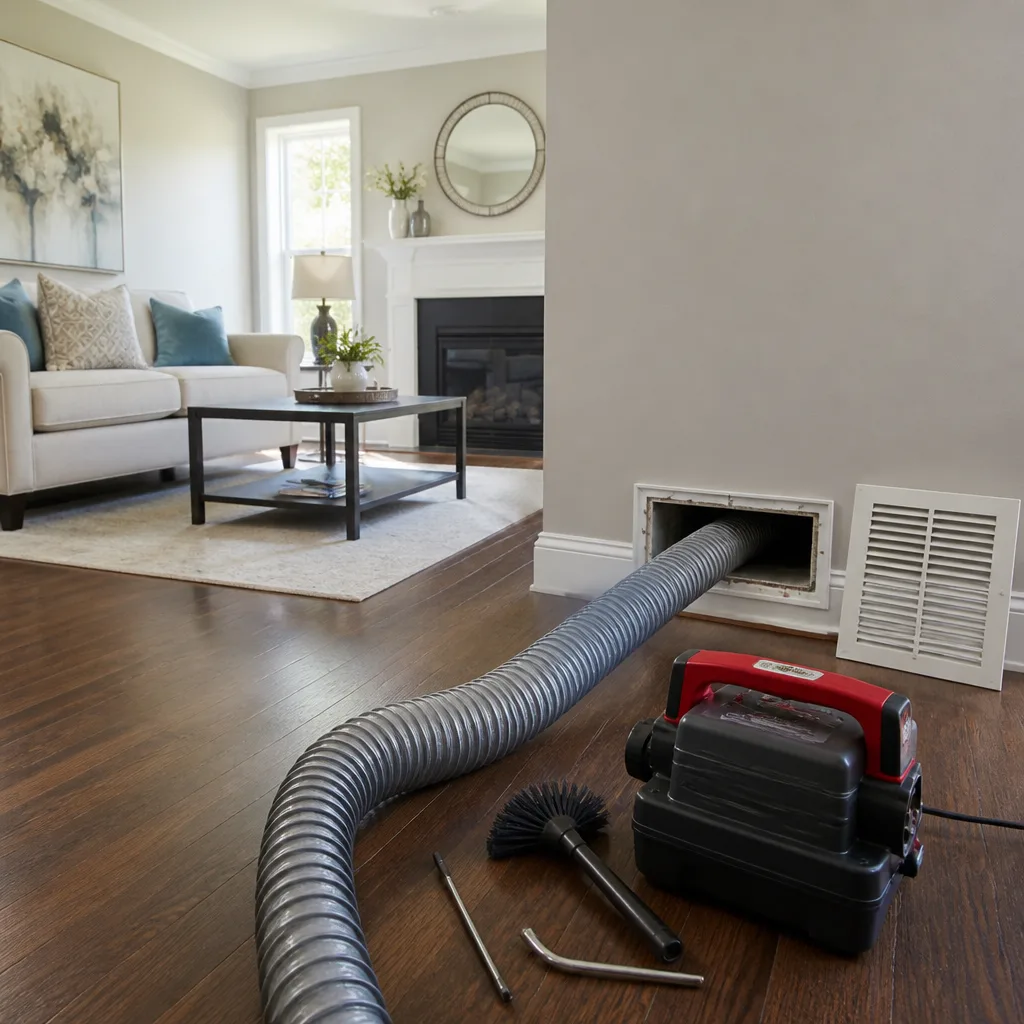 Whole-home duct cleaning
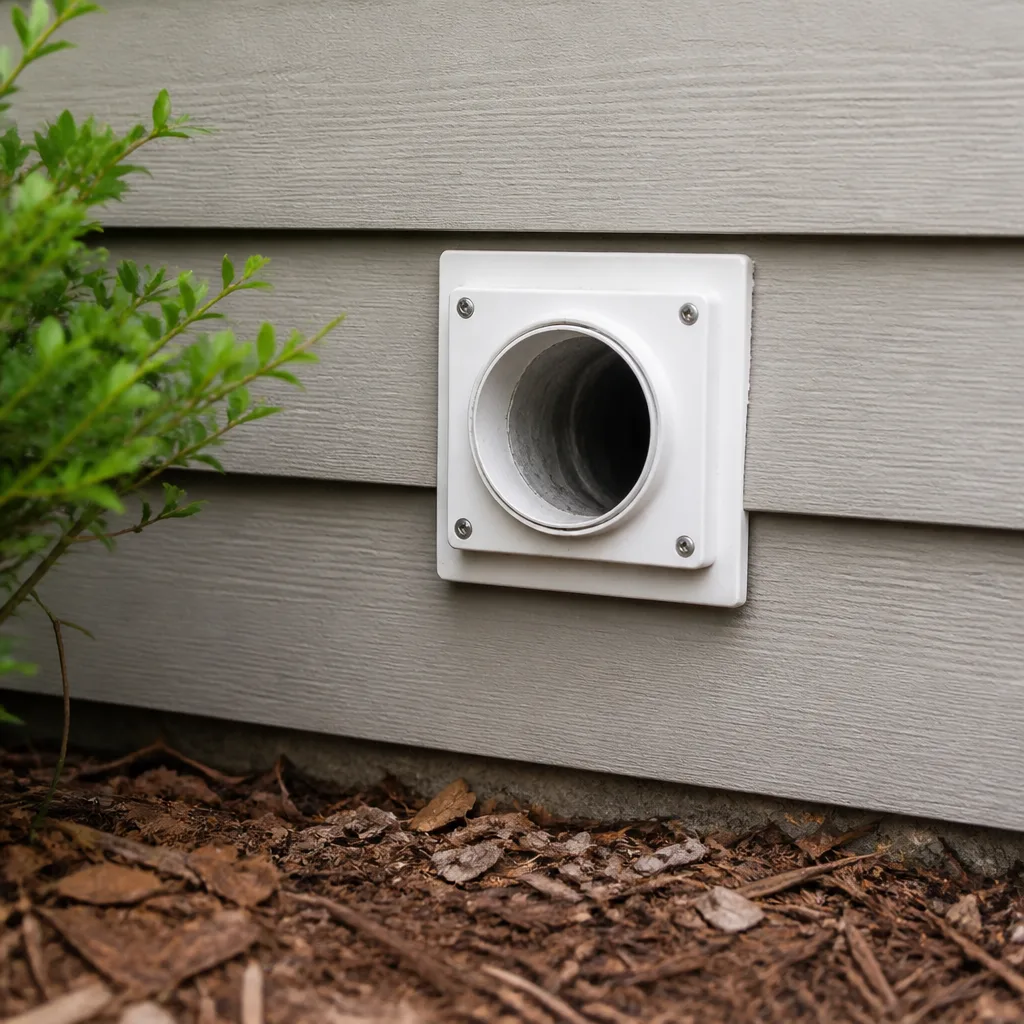 Dryer vent cleaning
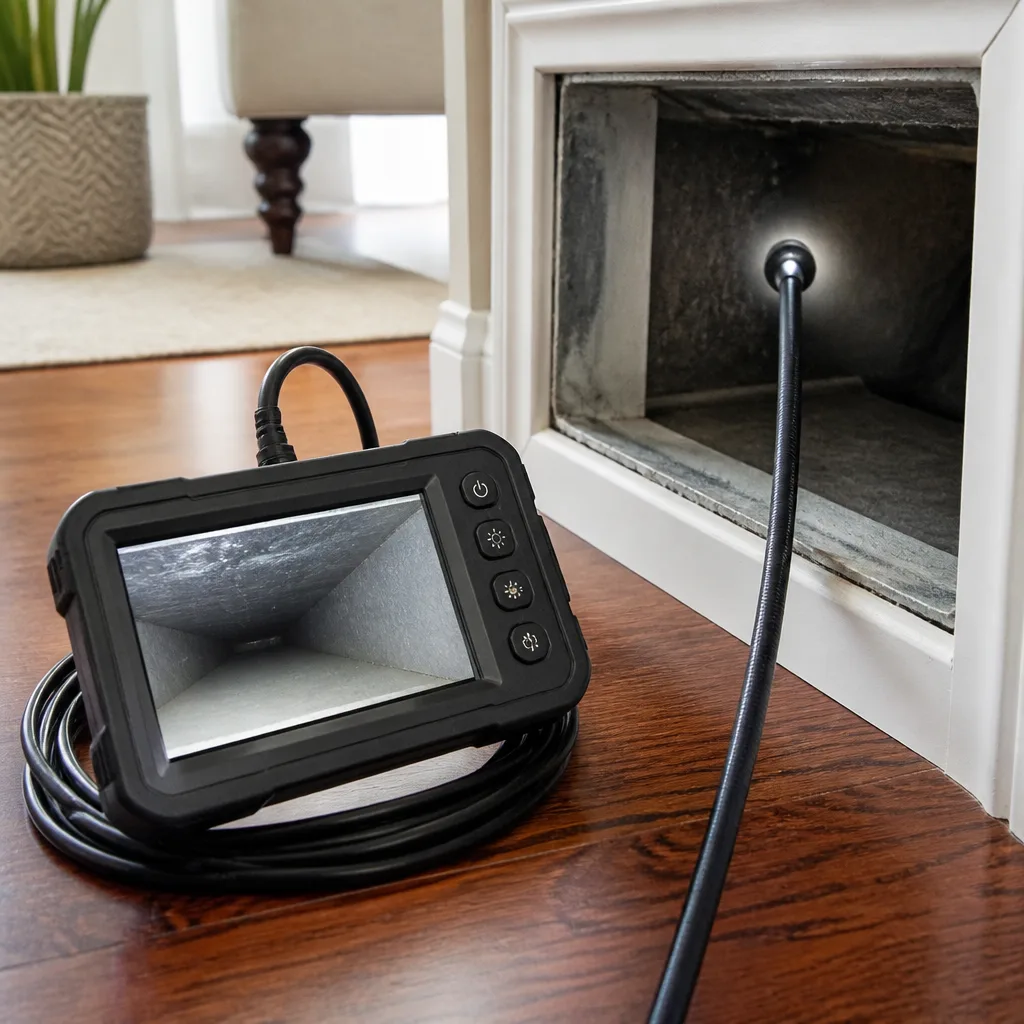 Camera inspection
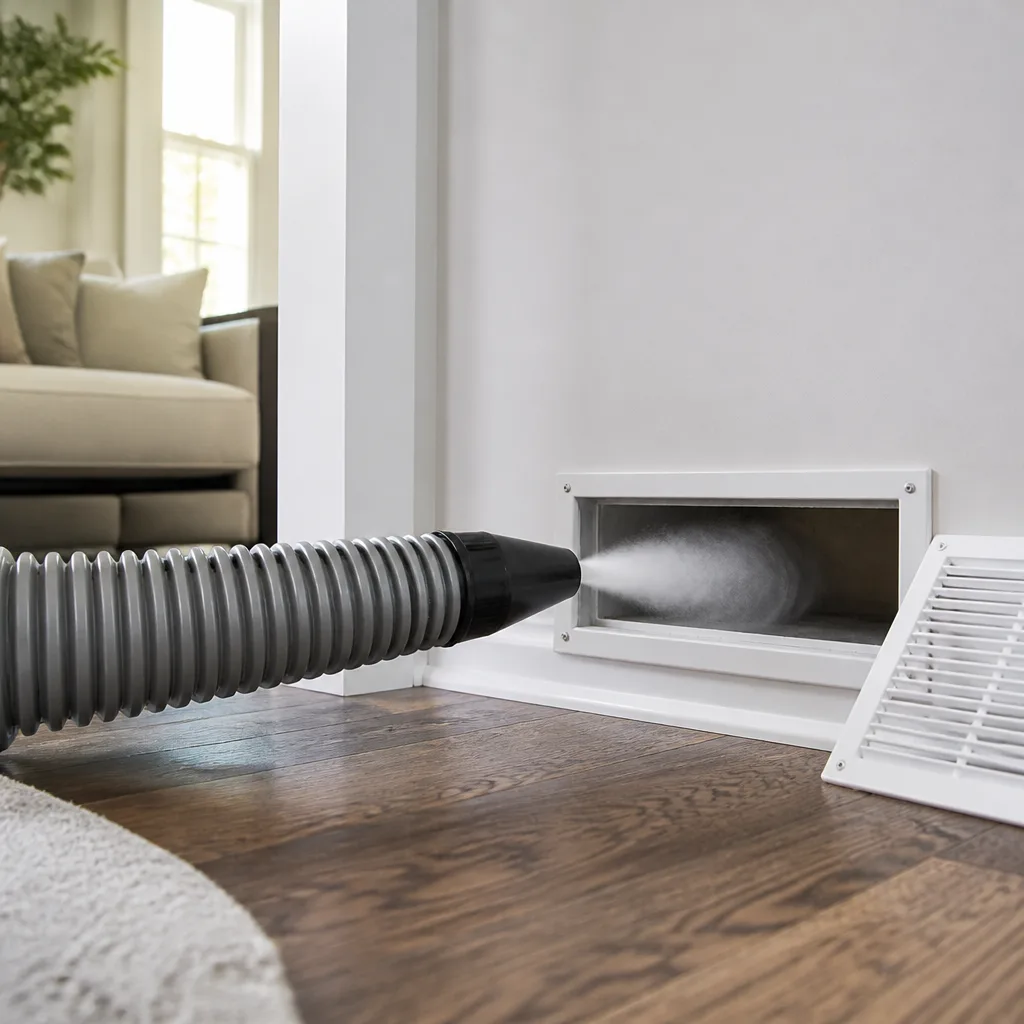 Sanitizing & deodorizing
Whole-system duct and dryer vent check with before-and-after photos - you see exactly what came out of your vents
That "$99 whole-house special" is a bait ad - the real number appears once they are in your hallway, or the "clean" is a shop-vac at the register. We photograph the inside of your ducts before and after instead.
Air Duct Cleaning Cost Breakdown: The Port St. Lucie Homeowner’s Reference for 2026
A Port St. Lucie homeowner who accepts the lowest duct cleaning bid without understanding scope is not saving money. They’re paying to have someone visit their home and move dust around without removing it. That’s the uncomfortable truth behind every “$99 whole house special” that lands in your mailbox. This guide exists to close the gap between what a cheap ad promises and what a real duct cleaning actually involves, so you can compare quotes by scope instead of by number. We’ll walk through 2026 price ranges for Port St. Lucie homes, what each piece of a legitimate quote pays for, how attic access and system age move the price, what antimicrobial treatment should cost, and where the real upsells hide.
Quick Answer
Air duct cleaning in Port St. Lucie typically runs $350 to $1,100 for a whole-home system, depending on square footage, number of branch lines, and how accessible the ducts are in the attic. Homes under 1,800 square feet with a single air handler usually land near the bottom of that range; larger two-story homes with long trunk runs and hard-to-reach branches climb toward the top. The written estimate sets the final price, and any quote you get should be a flat price per system, not a per-vent figure.
Styles & brands we work with
- Whole-home duct cleaning
- Dryer vent cleaning
- Camera inspection
- Sanitizing & deodorizing
Table of Contents
- Why Duct Cleaning Prices Vary So Much in Port St. Lucie
- Cost by Square Footage and Duct Count
- What a Legitimate Price Pays For: Equipment Breakdown
- Itemized Cost Breakdown: What Each Component Should Cost
- How Attic Access and System Age Affect Price
- Antimicrobial and Mold Treatment: Price and When It’s Warranted
- How to Evaluate a Quote in Port St. Lucie
- Common Mistakes to Avoid
- When to Call a Professional
Why Duct Cleaning Prices Vary So Much in Port St. Lucie
The gap between a $99 ad and a $900 quote isn’t a markup problem. It’s a scope problem. Those two numbers describe two different jobs that happen to share a name. The cheap version is often a single pass with a shop vacuum and no containment; the legitimate version is a multi-hour process using negative air pressure, brush agitation, and HEPA collection that captures debris instead of redistributing it into your living room.
Port St. Lucie adds a few local variables to that picture. The climate keeps HVAC systems running most of the year, which means ducts in local homes accumulate dust and debris faster than in places with long heating-off seasons. Many of the area’s homes have their air handlers and duct runs in the attic, where summer heat and humidity stress flex duct and accelerate wear. That attic layout is normal here, but it does affect how long a cleaning takes and how much access work is involved. A crew that has to navigate a hot attic with limited clearance is doing a different job than one working with ducts exposed at floor level.
System age matters too. Newer homes in Port St. Lucie often use R-6 flex duct, which installs fast and cleans reasonably well with a brush system if the run isn’t crushed. Older homes may still have earlier-generation flex with sagging insulation or hard pipe sections with fewer access points. Hard pipe systems that lack cleaning ports require the crew to cut and reseal access openings, which is legitimately more work. None of this is a reason to distrust a high quote. It’s a reason to ask what’s driving it.
What you should insist on regardless of price: one flat price per system agreed before work starts, no per-vent pricing, and before-and-after photos of your own ducts. Those three items separate a professional bid from an advertisement.
Cost by Square Footage and Duct Count
Here’s how the 2026 market looks for Port St. Lucie homes, broken out by size and system layout. These are typical ranges, not exact quotes, and the written estimate always sets the final number.
| Home Size / Layout | Typical Duct Count | Estimated Range |
|---|---|---|
| Under 1,500 sq ft, single story, one air handler | 6-9 registers | $350 – $500 |
| 1,500 – 2,000 sq ft, single story | 9-14 registers | $450 – $650 |
| 2,000 – 2,800 sq ft, single or two story | 14-20 registers | $600 – $850 |
| 2,800 – 3,500 sq ft, two story, two systems | 20-28 registers | $800 – $1,100 |
| Over 3,500 sq ft or multiple air handlers | 28+ registers | $1,000 – $1,400+ |
Those ranges hold across most Port St. Lucie neighborhoods, from the older streets near the river to the newer subdivisions out toward Becker Road and the western growth corridors. Price drivers inside each bracket come down to branch line count, trunk length, and how accessible the attic runs are. A single-story home with a compact layout and short trunk runs sits at the low end. A two-story with two air handlers, long horizontal attic runs, and a couple of branches buried under blown insulation sits at the high end.
One thing to watch: some quotes are based on register count alone. Register count is a rough proxy, but it misses trunk length and system complexity. A home with 12 registers on a sprawling single-story layout can involve more work than a 12-register home with a compact footprint. Ask how the quote was built.
Dryer vent cleaning is a separate line item, usually $100 to $200, and it’s worth bundling into a single visit if your dryer vent hasn’t been cleaned in a few years. Lint buildup in a dryer vent is a fire-safety issue, not just an efficiency one, and it’s a job that only takes additional time if the vent run is long or routed through the attic.
What a Legitimate Price Pays For: Equipment Breakdown
Most of a real duct cleaning quote goes to equipment and time. Here’s what’s actually involved when the work is done correctly, and what separates it from a budget visit.
- Negative air machine with containment. Before any debris is agitated, the crew sets up negative pressure in the duct system using equipment like Abatement Technologies containment units. That negative pressure keeps dislodged dust from flowing back into your living space. Without it, the work is more like sweeping a room with the window open while a fan blows inward.
- Brush-contact agitation. A Rotobrush system pushes a rotating brush through each branch line and the main trunk, physically scrubbing debris off the duct walls. Air-only cleaning moves loose dust but doesn’t dislodge the film that clings to flex duct surfaces. Brush contact is the difference between a wipe-down and a rinse.
- HEPA vacuum collection. Nikro HEPA vacuums trap fine particulate at the source. A shop vacuum with a standard filter captures the big stuff and blows the fine dust right back into the air. HEPA-grade collection is what makes the “after” photo look meaningfully different from the “before.”
- Access work. Cutting and resealing inspection ports on hard pipe, sealing flex connections after cleaning, and reinstalling registers and grilles. This is manual labor and it takes time.
- Verification. A professional visit includes before-and-after photos and a walkthrough of what was found, including any damaged duct sections that need repair.
When a quote lands well below the ranges above, the equipment list is usually the reason. A shop vacuum, a length of flexible hose, and a single pass through each register takes a fraction of the time and doesn’t include containment or HEPA collection. That’s not cleaning. It’s moving dust from one room to another.
Itemized Cost Breakdown: What Each Component Should Cost
Quotes differ in how they break things out, but here’s how each piece of a whole-home job should be accounted for in 2026. These are typical line-item ranges for a standard Port St. Lucie home in the 1,800 to 2,200 square foot range.
| Component | Typical Cost | When It’s Necessary |
|---|---|---|
| Main trunk cleaning | $100 – $200 | Always, on any whole-system cleaning |
| Branch line cleaning (per line, grouped) | $200 – $450 total | Always, for each branch serving a register |
| Register and grille cleaning | $50 – $100 | Always; includes removal and reinstall |
| Air handler / blower cabinet cleaning | $50 – $150 | Recommended; sometimes an add-on line |
| Dryer vent cleaning (add-on) | $100 – $200 | If vent hasn’t been cleaned in recent years |
| Antimicrobial application | $150 – $350 | Only when visible growth or moisture is present |
Two things to note. First, some companies quote the whole job as a single flat figure, which is fine as long as the scope matches the line items above. Second, some budgets trim the air handler cleaning out of the base price and then upsell it on-site. The air handler is where the blower moves air into the ducts; leaving the blower cabinet uncleaned means reintroducing dust into your freshly cleaned system. It should be part of the base scope or clearly itemized, not a surprise charge.
Dryer vent cleaning is genuinely separate work and legitimately priced as an add-on. It’s not a filler line designed to pad the invoice. If your dryer takes longer than it used to, or the lint trap fills faster than it once did, that vent is overdue and the add-on pays for itself in safety and efficiency.
How Attic Access and System Age Affect Price
Attic duct access is the single biggest wildcard in a Port St. Lucie duct cleaning quote, and it’s where two similar-sized homes can land $250 apart. Most local homes have their air handler and duct runs in the attic, and while that’s standard, the practical access varies a lot from house to house.
- Clear, walkable attic with open duct runs. The crew can set up containment, move freely, and brush each run without fighting the environment. Lowest access cost.
- Attic with limited headroom or blown insulation over the ducts. The crew has to locate, uncover, and work around insulation without contaminating the runs they just cleaned. Adds time and care.
- Ducts partially concealed behind knee walls or under plenum framing. Portions of the trunk or branches may not be directly accessible, which means partial cleaning or additional access work. Higher cost, and a conversation with you about scope is essential before starting.
- Tight attic with no safe working space. Some homes require the crew to work through access panels from below. Slower, more careful, and worth discussing in the written estimate.
System age plays a secondary role. R-6 flex duct is standard on newer Port St. Lucie construction and cleans well with brush agitation as long as it hasn’t been crushed or sagging. Older flex with failing internal liner can shed material during cleaning, and that’s a repair situation, not just a cleaning one. Hard pipe systems, more common in older homes, clean beautifully but often lack cleaning ports. Cutting and resealing access ports adds legitimate labor. If the crew finds gaps, loose connections, or sections that need repair, duct repair is work that gets documented and quoted separately, which is one reason we emphasize repair capability alongside cleaning: it’s common to find something worth fixing once the ducts are open.
Antimicrobial and Mold Treatment: Price and When It’s Warranted
An antimicrobial or mold treatment application typically adds $150 to $350 to a Port St. Lucie duct cleaning bill, and it should only be recommended when there’s a specific reason. In a properly sealed system with no moisture problem, it isn’t necessary. In a system with visible growth, standing moisture, or a history of water intrusion into the air handler area, it can be a legitimate part of the job.
What to watch for: a technician who recommends antimicrobial before ever inspecting the interior of the ducts. A treatment recommendation that appears in a quote before the work has been scoped is a sales tactic, not a diagnostic finding. The right sequence is inspection first, then a conversation about what’s actually there, then a decision about whether treatment is warranted.
When treatment is needed, it should come after cleaning, not instead of it. A spray applied to a dust-coated duct surface doesn’t reach the surface. Cleaning first, then treatment, is the only sequence that makes technical sense. If a quote offers “treatment” without cleaning, that’s a signal the scope is thin.
If you’re thinking about filtration upgrades alongside cleaning, we work with Honeywell and Aprilaire product lines, and a higher-MERV filter or media cabinet can be integrated as part of a maintenance visit once the ducts are clean. That’s an air-quality decision, not a duct-cleaning necessity. It’s worth understanding your existing filter setup before adding one.
How to Evaluate a Quote in Port St. Lucie
Comparing quotes comes down to comparing scope, not numbers. A $350 quote and a $900 quote for the same home may both be reasonable, but only one of them is likely to describe the same work. Here’s how to sort them out.
- Ask for the scope in writing. The quote should list trunk cleaning, branch lines, registers, air handler, and any add-ons (dryer vent, antimicrobial) as line items or a clear whole-system description. A single line item that says “whole house duct cleaning” with no detail is a red flag.
- Ask what equipment will be used. Negative air containment, brush agitation, and HEPA collection should be named. If the answer is vague or the words “shop vacuum” come up, the price will reflect the tool.
- Ask how many technicians and how long the job will take. A legitimate whole-home cleaning on a 2,000 square foot Port St. Lucie home typically takes half a day with a two-person crew. A 45-minute visit isn’t enough time to brush and collect from every branch.
- Ask about before-and-after photos. Photo documentation of your own ducts is the standard proof of work. Without it, you have no way to verify what was actually done.
- Ask about repair capability. If the crew finds damaged flex, loose connections, or a crushed run, will they repair it, or will they document it and refer you elsewhere? A duct specialist can repair what they find; a cleaning-only crew cannot.
- Confirm the price is flat per system and set before work begins. No per-vent pricing, no surprise add-ons once the crew is on-site, no “we found something” upcharges mid-job outside an agreed scope change.
- Confirm insurance and licensing. The company should be able to confirm both without a runaround.
We can work with your insurer if a repair situation turns out to be covered. That’s worth knowing before the work starts, not after.
Common Mistakes to Avoid
- Accepting the lowest bid without asking what’s included. The lowest number often reflects the thinnest scope. Two sentences of scope from the company will tell you which.
- Buying a per-vent price. Per-vent pricing is designed to grow the invoice as more vents are counted. A flat per-system price is the only structure that lets you compare quotes fairly.
- Paying for antimicrobial without inspection. Treatment should follow a finding, not precede one. If it’s in the quote before anyone opens an access panel, that’s an upsell.
- Skipping the air handler. Cleaning the ducts without cleaning the blower cabinet reintroduces the dust you just paid to remove.
- Ignoring the dryer vent. It’s a separate job from duct cleaning, and it’s a fire-safety item, not an optional add-on to skip when the quote comes in.
- Believing “whole house” on the ad without a scope line. “Whole house” doesn’t mean the same thing to every company. Get the scope in writing before booking.
- Not asking for photos. Without before-and-after photos, you have a handwritten receipt and a hope. Photo documentation is standard professional practice.
When to Call a Professional
Duct cleaning isn’t an annual chore. It’s a service worth booking when there’s a reason: visible dust blowing from registers shortly after a filter change, a musty smell when the system kicks on, recent renovation work that generated debris, a new-to-you home with an unknown service history, or a system that hasn’t been cleaned since it was installed. Dryer vent cleaning is worth booking whenever the dryer runs longer than it once did or the lint trap fills faster than it used to. And if a technician ever finds damaged duct sections, crushed flex, or disconnected runs, that’s a repair job, not a cleaning one, and it’s worth having a company that does both.
Hometown Air Duct Cleaning specializes in air duct cleaning, dryer vent cleaning, and duct repair for homeowners across Port St. Lucie. We use Rotobrush brush-contact systems, Nikro HEPA vacuums, and Abatement Technologies containment equipment, and we can repair what we find rather than just document it. Our technicians have up to 15 years of experience. If you’d like a written scope and estimate before you book, call (866) 502-9547 for a free estimate.
See the difference
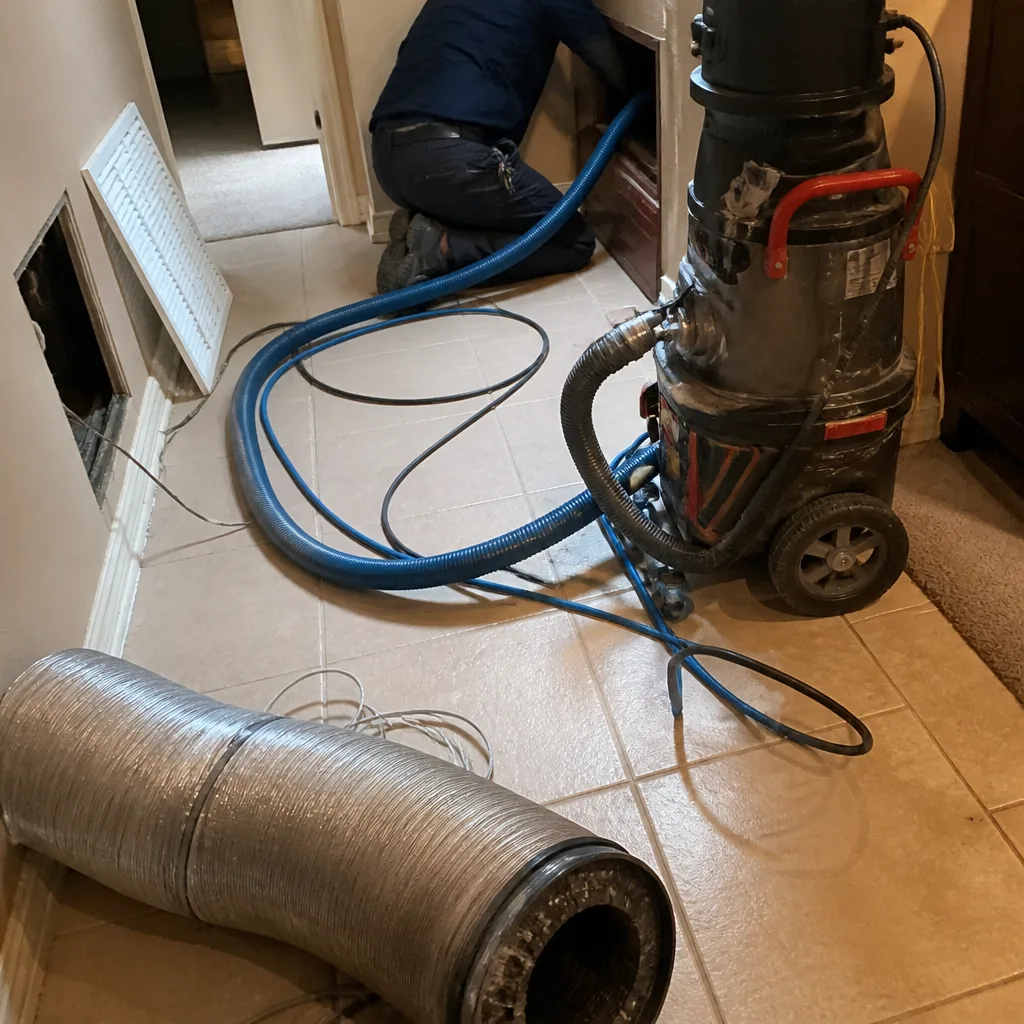 Before
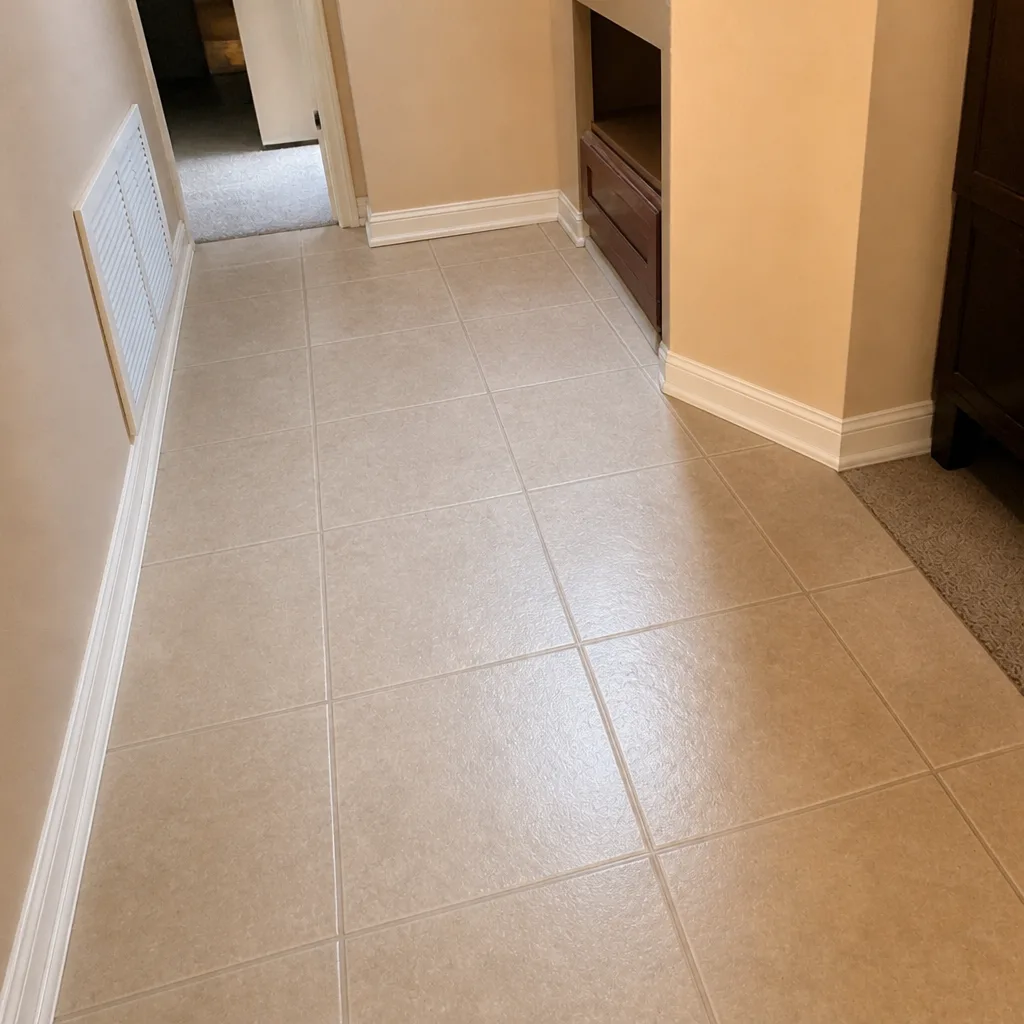 After
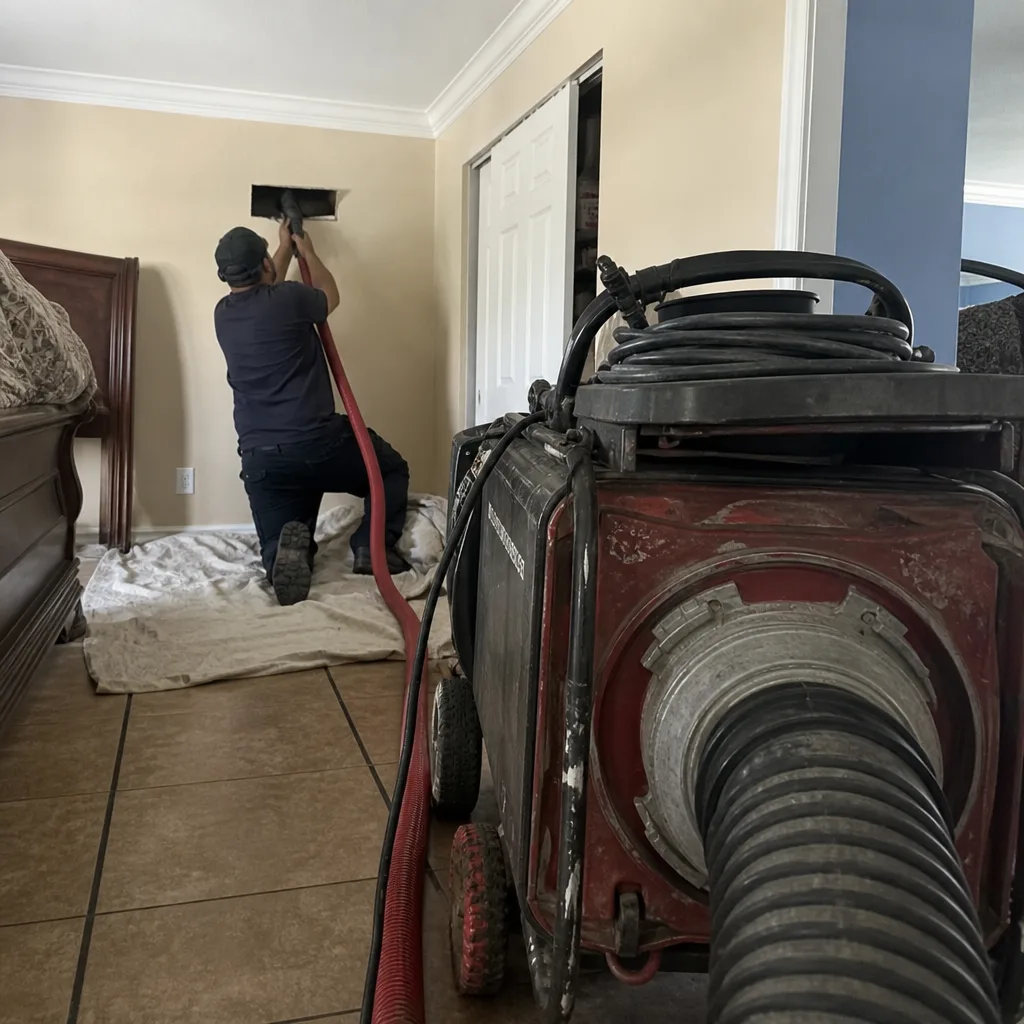 Before
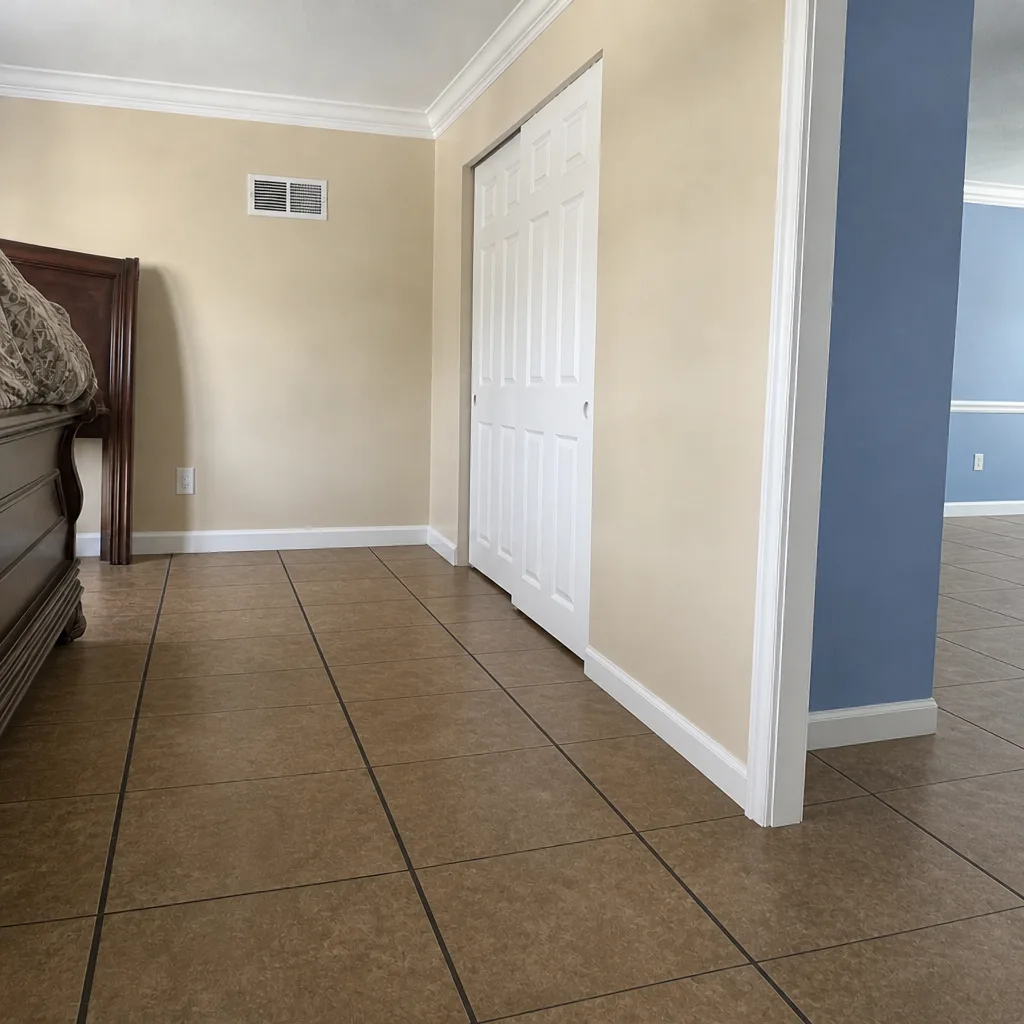 After
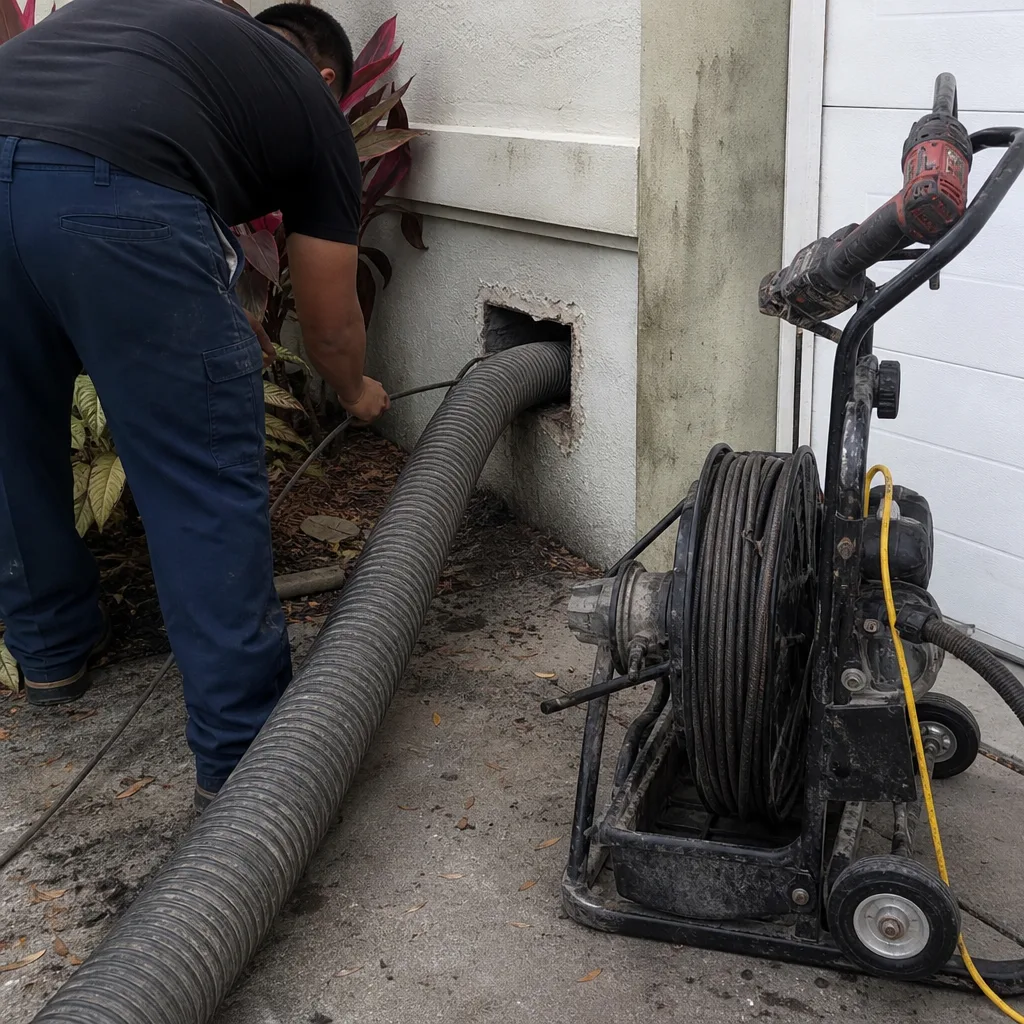 Before
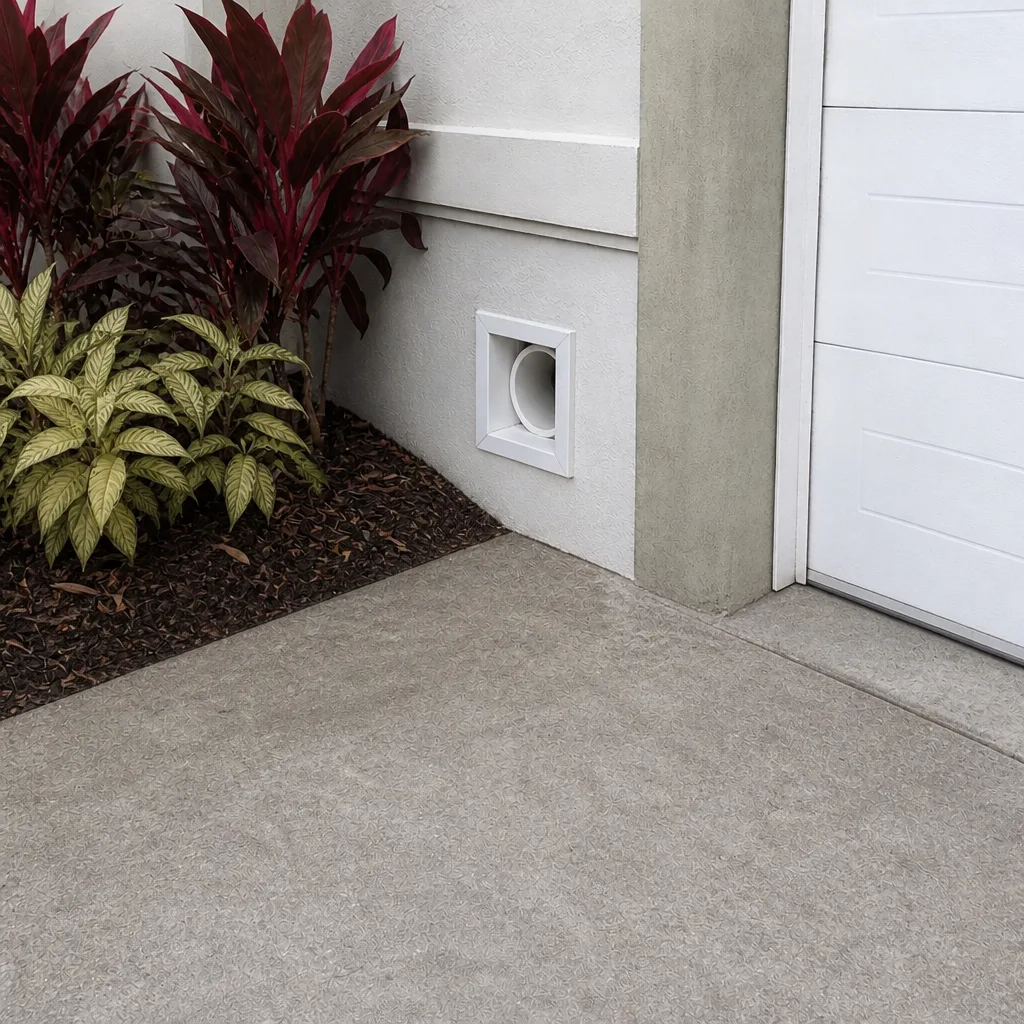 After
Frequently Asked Questions
Most Port St. Lucie homes fall between $350 and $1,100 for a whole-system cleaning, with the specific number driven by square footage, register count, and attic access. Homes under 1,500 square feet typically land near $350 to $500; homes over 3,000 square feet with two systems land between $800 and $1,400. Call (866) 502-9547 for an exact quote that reflects your specific system. Estimates are free.
Cheap quotes usually reflect inexpensive equipment and thin scope. A crew using a shop vacuum and a single pass through each register has a lower cost structure than a crew using negative-air containment, brush agitation, and HEPA collection, and the results are different too. The $99 ad and the $900 quote are not for the same service. Ask what’s included before comparing numbers, and call (866) 502-9547 if you want a written scope to compare against.
Antimicrobial treatment adds $150 to $350 and is only warranted when there’s visible growth, standing moisture, or a documented water intrusion history in the system. In a sealed, dry system with no growth, it isn’t necessary. If it appears in your quote before anyone has inspected the interior of the ducts, treat it as a sales tactic. Call (866) 502-9547 for a free estimate that starts with inspection, not an upsell.
Before-and-after photos of your own ducts are the standard proof of work. Ask any company you’re evaluating whether they provide them as part of the job, and ask to see the photos before the invoice is signed. A written scope, a flat price, and photo documentation together give you a verifiable record. Call (866) 502-9547 for a free estimate and a written scope before you book.
There’s no fixed calendar. Most homes benefit every three to five years, and homes in areas with heavy construction dust, pets, or recent renovation may benefit more often. A system that hasn’t been cleaned since the home was built is a reasonable starting point. Call (866) 502-9547 and we’ll tell you honestly whether your system needs cleaning now or can wait.
Yes. Dryer vent cleaning typically runs $100 to $200 as a separate line item, and it’s worth bundling into the same visit if your vent hasn’t been cleaned in a few years. The risk it addresses is lint buildup in the vent line, which is a fire-safety issue rather than an air-quality one. Call (866) 502-9547 for a free estimate on both together.
The Bottom Line
A duct cleaning quote is a scope document, not a price tag. The number tells you what the company thinks the job involves; the scope tells you what they’ll actually do. Port St. Lucie homeowners who ask for the scope in writing, confirm what equipment will be used, request before-and-after photos, and insist on a flat per-system price make better comparisons than ones who simply pick the lowest bid. If a quote comes in well under the ranges above, the difference is usually equipment and time, not charity. Get the scope, then compare. If you’d like a written estimate to compare against, call (866) 502-9547. We answer 24/7. Fast dispatch from 7am to 7pm, Sunday through Friday.
Written by the team at Hometown Air Duct Cleaning.