
Last updated November 16, 2026
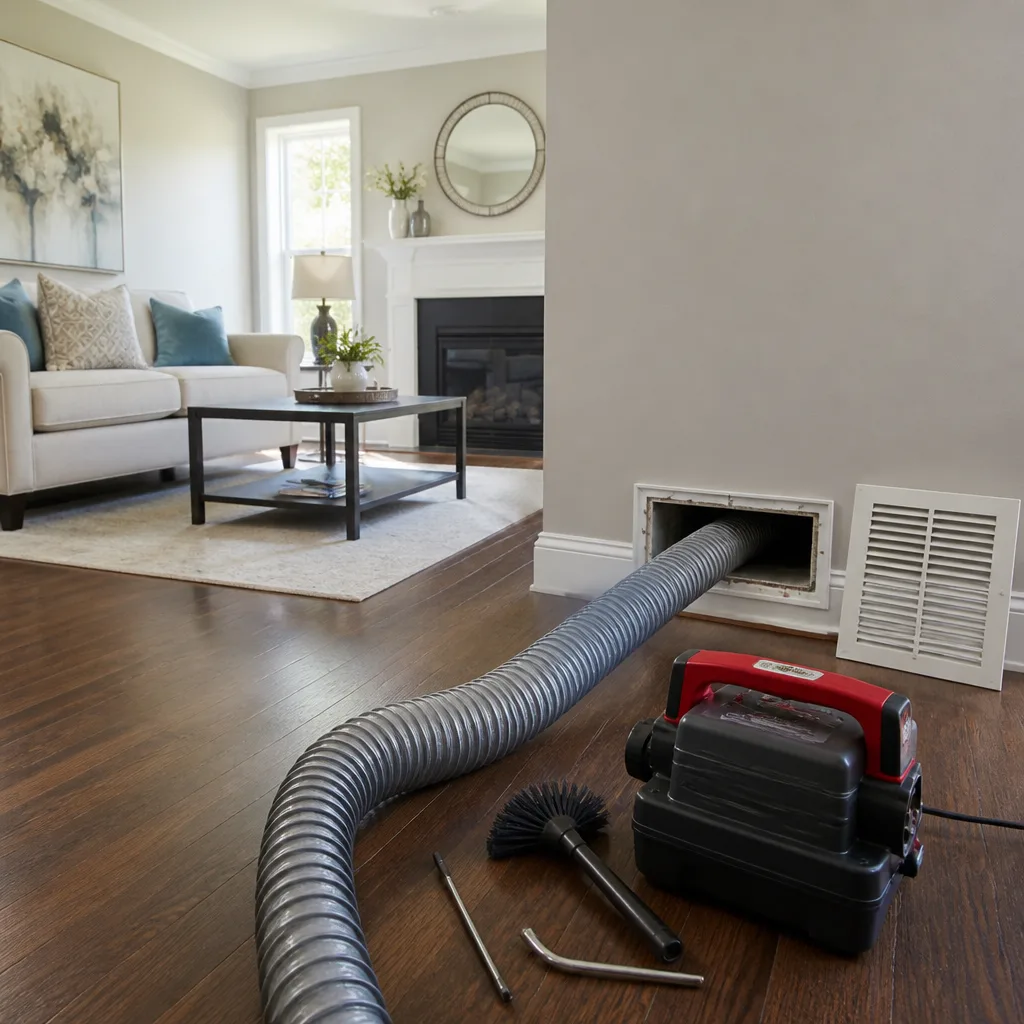 Whole-home duct cleaning
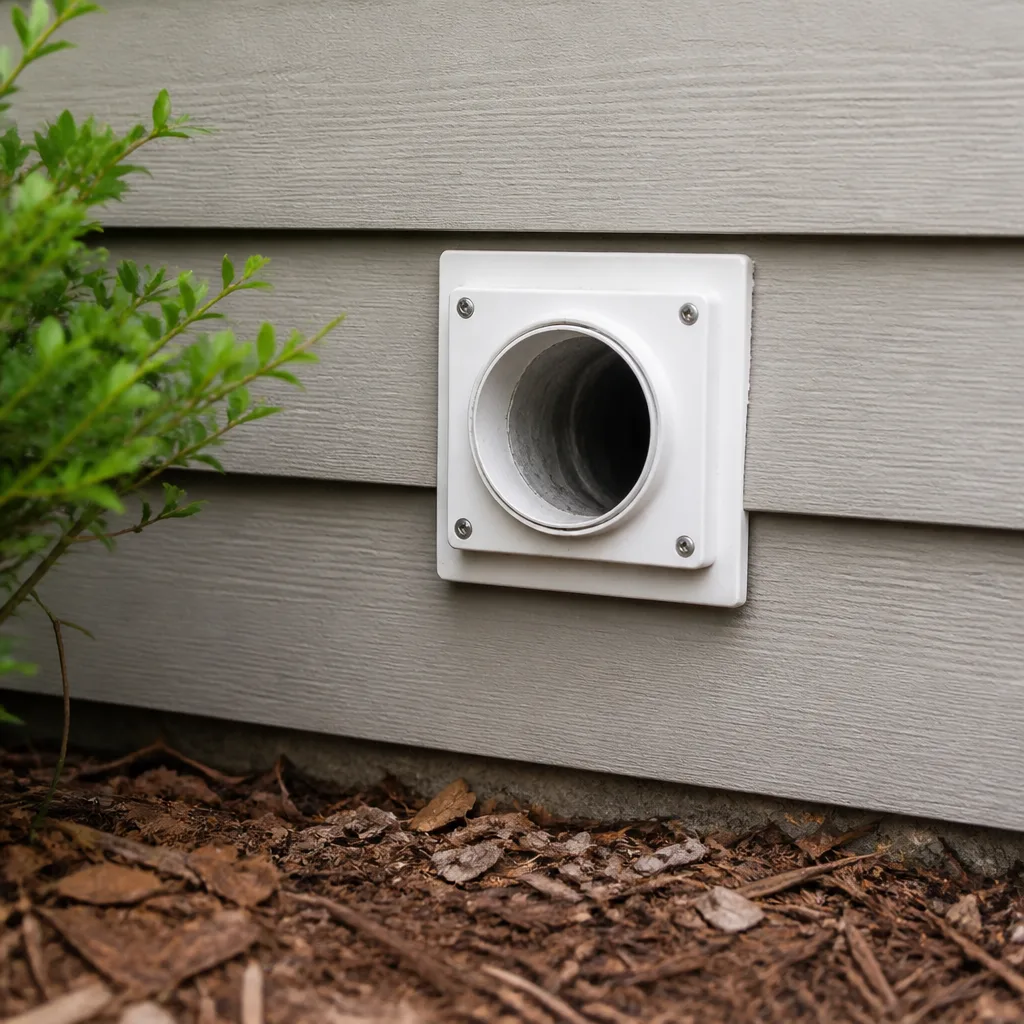 Dryer vent cleaning
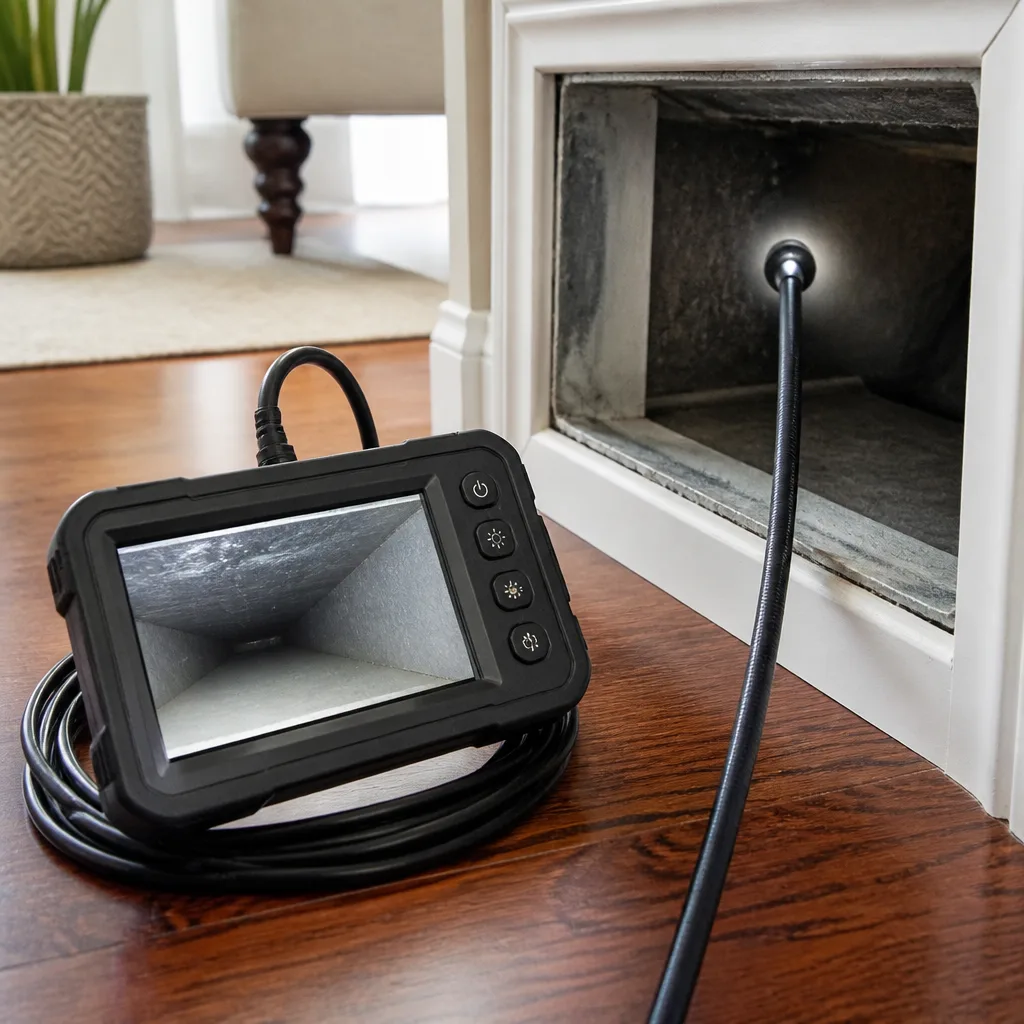 Camera inspection
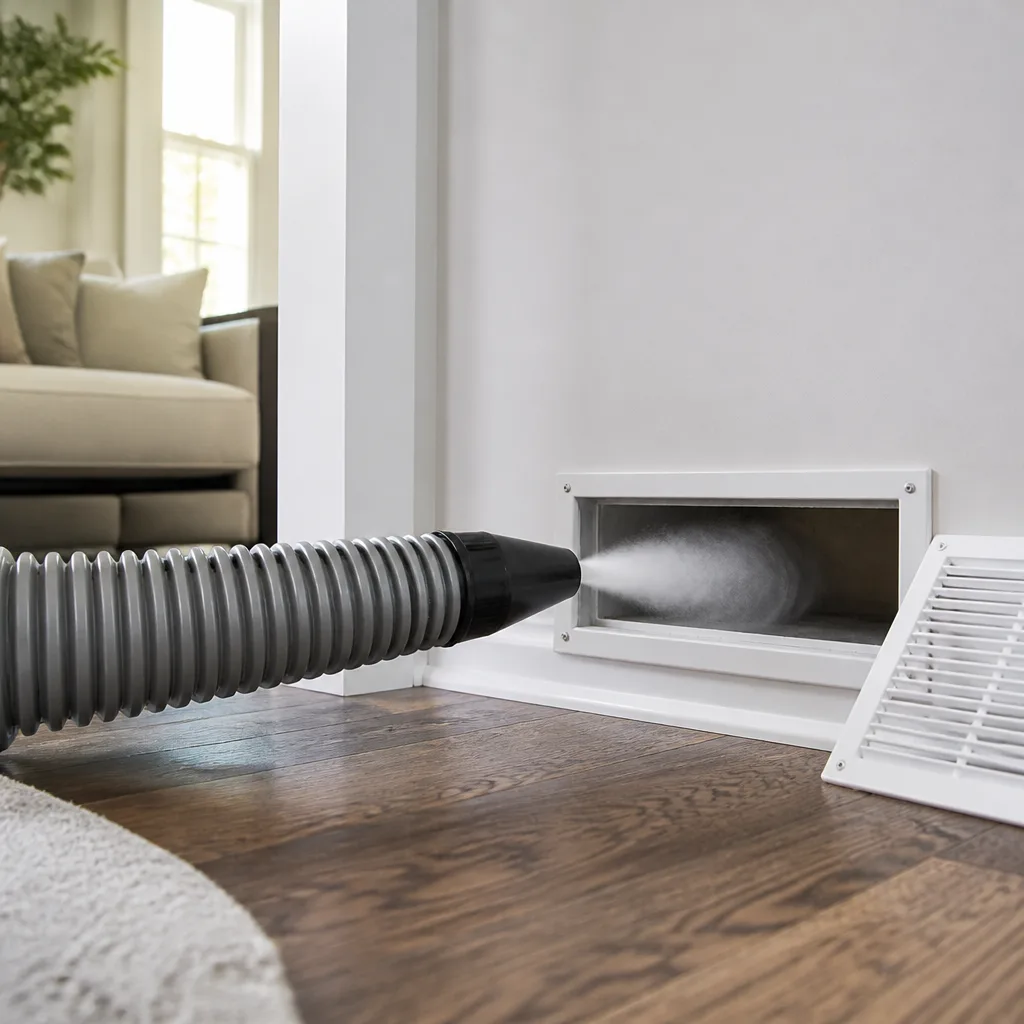 Sanitizing & deodorizing
Whole-system duct and dryer vent check with before-and-after photos - you see exactly what came out of your vents
That "$99 whole-house special" is a bait ad - the real number appears once they are in your hallway, or the "clean" is a shop-vac at the register. We photograph the inside of your ducts before and after instead.
Air Duct Cleaning Troubleshooting in Port St. Lucie: Common Problems and How to Fix Them
If one room in your house stays stuffy no matter what you set the thermostat to, there’s a better-than-even chance the problem is inside your ductwork, not your air handler. Most of what Port St. Lucie homeowners describe as “weak AC” or “bad airflow” traces back to a duct system that has come apart, collapsed, or filled with debris. Replacing a thermostat or recharging refrigerant won’t touch any of those. This guide walks you through diagnosing the ducts first: a room-by-room airflow test you can run yourself, how to separate a dirt problem from a damage problem, what humidity does to ducts in this climate, and the telltale signs that a previous cleaning made things worse. By the end you’ll know whether to call an HVAC tech or a duct specialist.
Quick Answer
In most Port St. Lucie homes with uneven cooling or weak airflow, the real fault is in the duct system rather than the air conditioner itself – collapsed or disconnected flex duct, contaminated runs, or a supply plenum problem. Start with a room-by-room airflow check at the registers, then look at whether the issue is dirt (reduced flow, odor, visible debris) or damage (whistling, pressure imbalance, a jump in energy bills). Each needs a different fix, and cleaning alone won’t repair a duct that has physically come apart.
Styles & brands we work with
- Whole-home duct cleaning
- Dryer vent cleaning
- Camera inspection
- Sanitizing & deodorizing
Table of Contents
- The Room-by-Room Airflow Test That Finds Dead Zones
- Dirty Ducts vs. Damaged Ducts: Why the Fix Is Different
- Why South Florida Humidity Makes Duct Mold Its Own Troubleshooting Category
- How to Tell If a Previous Duct Cleaning Made Things Worse
- What Professional Equipment Finds That a Shop-Vac Crew Misses
- When the Answer Is Repair, Not Cleaning
- What Older Port St. Lucie Neighborhoods Tend to Reveal
The Room-by-Room Airflow Test That Finds Dead Zones
Before you call anyone, run a simple airflow test. It takes a few minutes and tells you more than a thermostat reading ever will. You’re looking for rooms that move noticeably less air than the rest of the house – dead zones that point toward a specific stretch of ductwork.
- Turn the system to fan-only, or run the AC and let it settle for a few minutes.
- Hold a single-ply tissue or a lit incense stick close to each supply register, one room at a time.
- Watch how the tissue moves or how the smoke drifts. Strong, steady movement means good flow. Barely any movement, or smoke drifting back toward the register, means a problem.
- Note every register where flow feels weak, then mark it on a quick sketch of the house.
What the map shows matters. One weak register in a far room usually means a long flex run that has been crushed, kinked, or pulled loose at a fitting. Several weak registers downstream of one another often point to a trunk line that has come disconnected. Strong air at registers near the air handler but almost nothing at the far end suggests a restriction or a leak in the trunk.
Port St. Lucie homes built through the rapid growth years often have long attic flex runs, and flex duct is easy to damage. Attic heat, pest traffic, and the way a run gets routed around a corner can all crush a section. The point of the test isn’t to climb into the attic yourself. It’s to walk into a call with a clear picture of which rooms are affected, so the diagnosis starts in the right place.
Dirty Ducts vs. Damaged Ducts: Why the Fix Is Different
Most people treat every duct complaint the same way and reach for a cleaning. But a dirty duct and a damaged duct are different problems, and they need different solutions. Sorting out which one you have saves you from paying for a cleaning that won’t fix the symptom.
- Dirty duct signs: reduced airflow across the whole system, a musty or dusty smell when the fan kicks on, visible dust or debris at the registers, and dark streaks around grilles. The ducts are intact; they’re just loaded with material.
- Damaged duct signs: whistling at a register, pressure imbalance where some rooms are over-supplied and others starved, a sudden rise in energy bills with no change in habits, or a room that never cools no matter what. Something has come apart, collapsed, or been crushed.
The distinction matters because cleaning does nothing for a crushed or disconnected run. You can scrub every duct clean and the room at the end of a broken flex line will still be stuffy. And repair without cleaning leaves the contamination in place. In real systems, these often show up together: a leak in the attic draws hot, dusty attic air into the duct, which both weakens the airflow and loads the system with debris. That’s why we approach a duct job with both cleaning and Hometown Air Duct Cleaning repair in the same visit when the inspection calls for it. One issue creates the other, and fixing only half of it leaves the problem to come back.
Why South Florida Humidity Makes Duct Mold Its Own Troubleshooting Category
Our summers run heavy and humid, and that changes how duct problems show up here. Condensation forms where cold conditioned air meets warm, moist surfaces, and ducts are a natural place for that to happen. Mold inside a duct system is a real troubleshooting category in Port St. Lucie, not a scare tactic.
It smells earthy, musty, or like a damp basement, and it tends to hit hardest when the system cycles on. Where it hides first tells you what you’re dealing with:
- The evaporator coil housing: the coil stays wet between cycles, and standing moisture there invites growth. This is often the source of a smell that hits the moment the fan starts.
- The supply plenum: the transition right above the air handler, where condensation collects and insulation stays damp, is a common hiding spot for growth that spreads into the supply runs.
- Insulated flex duct: if the inner liner gets wet repeatedly, the lining itself can become the problem, not just the surface.
Here’s the practical part: cleaning alone isn’t always enough when the root cause is moisture. If the coil housing stays damp, growth returns. A proper job addresses the contamination and the source – correcting airflow so the system dehumidifies better, fixing duct insulation that’s trapping moisture, and where it fits the system, integrating a filtration upgrade. We work with Honeywell and Aprilaire product lines for exactly that reason: better filtration and humidity control reduce the conditions that let growth come back. If a technician cleans and never asks why the ducts got wet in the first place, expect a repeat visit.
How to Tell If a Previous Duct Cleaning Made Things Worse
A cleaning that wasn’t done right can leave you worse off than before, and the signs are specific. If you’ve had a duct cleaning and your air quality or airflow got worse afterward, look for these.
- Disturbed debris that was never captured: if the crew knocked material loose but didn’t extract it under containment, that dust settles back into the system and into the living space. More dust at the registers after a cleaning is a red flag.
- Damaged insulation lining: abrasive brushes run carelessly can tear the inner lining of ductwork. A torn liner traps debris and can send fibers into the air.
- Seals that were never replaced: registers and access points opened during cleaning need to be sealed properly afterward. A loose seal lets attic air and dust straight back in.
- A quick drop in airflow afterward: if a run performs worse after the visit, debris or damaged lining may be blocking it.
The difference between a good job and a bad one is containment. When dislodged debris isn’t captured, it recirculates into the house. That’s why professional work uses negative-pressure equipment to hold dust where it’s being collected rather than letting it drift. If you’ve had a bad experience, a proper inspection can tell you whether the system just needs a correct cleaning or whether the lining and seals need repair too.
What Professional Equipment Finds That a Shop-Vac Crew Misses
A shop-vac and a hand brush can reach what you can see, and not much else. Duct systems have long horizontal runs, tight turns, and connections deep in the attic or crawl that no handheld vacuum touches. That’s where professional-grade equipment separates a real cleaning from a surface wipe.
Here’s what the right tools actually do:
- Rotobrush brush-contact cleaning puts a rotating brush in direct contact with the duct walls. It agitates the material that’s stuck to the surface, which is the layer a vacuum alone won’t lift.
- Nikro HEPA vacuum equipment captures what the brush dislodges, holding fine debris rather than exhausting it back into the air.
- Abatement Technologies negative-air containment keeps the work area under negative pressure so dislodged contaminants stay contained instead of recirculating through the home.
- Guardsman products and proper sealing handle the finishing side, so access points aren’t left open after the job.
This equipment also turns a cleaning visit into a diagnostic one. A technician with a camera and proper containment can spot a disconnected trunk, a crushed run, or a moisture problem that a quick blowout would completely miss. For air duct cleaning to actually solve a problem, the tooling has to reach the whole system and the findings have to be acted on. That’s the standard we hold to in every Port St. Lucie home we work in. If a quote doesn’t mention containment or what happens to the debris once it’s loose, ask.
When the Answer Is Repair, Not Cleaning
Some duct problems can’t be cleaned away, and the sooner you know which kind you have, the less you spend guessing. Repair – reconnecting, re-sealing, or replacing damaged sections – is often the real fix.
These symptoms point to repair rather than cleaning:
- A single room or zone with chronically weak airflow while the rest of the house is fine.
- Whistling or hissing at a register, which often means a leak or an undersized opening.
- A sudden, unexplained jump in energy bills that points to conditioned air escaping into the attic.
- Visible disconnected or crushed flex duct found during an inspection.
- Damaged insulation lining that a cleaning can’t restore.
Flex duct that has pulled loose at a collar, a trunk that has come apart at a joint, a run crushed under stored boxes in the attic – these are repairs, not cleaning jobs. Most standalone cleaning crews simply don’t offer duct repair. That leaves you coordinating two different trades for one problem. We handle cleaning, dryer vent cleaning, and repair as one specialist, so a visit that starts as a cleaning can end with a duct that actually works. If your problem is a damaged run, cleaning without repair is money spent on the wrong thing.
What Older Port St. Lucie Neighborhoods Tend to Reveal
Duct systems age in place, and in Port St. Lucie the housing stock tells a story. Older established neighborhoods and newer subdivisions don’t share the same failure patterns. Knowing what to expect where you live helps you ask the right questions.
Homes in established parts of Port St. Lucie that have been through multiple air handler replacements often have original or patched ductwork. Those systems tend to show accumulated debris, older insulation that’s lost its seal, and flex runs that have been repaired a few times over the years. Newer construction can bring its own issues: long attic runs routed for speed rather than airflow, connections that pull loose over the first few summers, and ductwork sized tight enough that a small collapse shows up fast.
This matters for troubleshooting because the same symptom can mean different things depending on the house. A stuffy bedroom in a newer home is often a single crushed run. The same bedroom in an older home may mean several leaks and a trunk that needs attention. Neither is solved by turning down the thermostat. Getting the ducts inspected in the context of the home, and not just cleaned and left, is what tells you which one you’re dealing with.
Common Mistakes to Avoid
- Assuming every airflow problem is an HVAC problem. A weak room is more often a crushed or disconnected flex run than a refrigerant issue, and no amount of tuning the unit will fix a duct that’s come apart.
- Paying for cleaning when the real issue is damage. Cleaning a crushed duct cleans a crushed duct. The room stays stuffy and you’ve paid for the wrong fix.
- Choosing a quote that ignores containment. A low bid that blows debris loose without negative-pressure capture just moves the problem into your living space. Ask what happens to the debris once it’s dislodged.
- Assuming a cleaning fixed a musty smell. In our humidity, if the moisture source at the coil housing or supply plenum isn’t addressed, growth returns quickly.
- Treating a dryer vent as a maintenance chore rather than a safety issue. Lint buildup is a genuine fire risk, and it’s part of the same duct-system picture.
- Ignoring the register you can see. Debris and dark streaks at a grille are the visible tip of what’s sitting in the runs behind it.
- Hiring a generalist with no repair capability. If the crew can only clean and document, you’ll be calling a second trade to do the actual fix.
See the difference
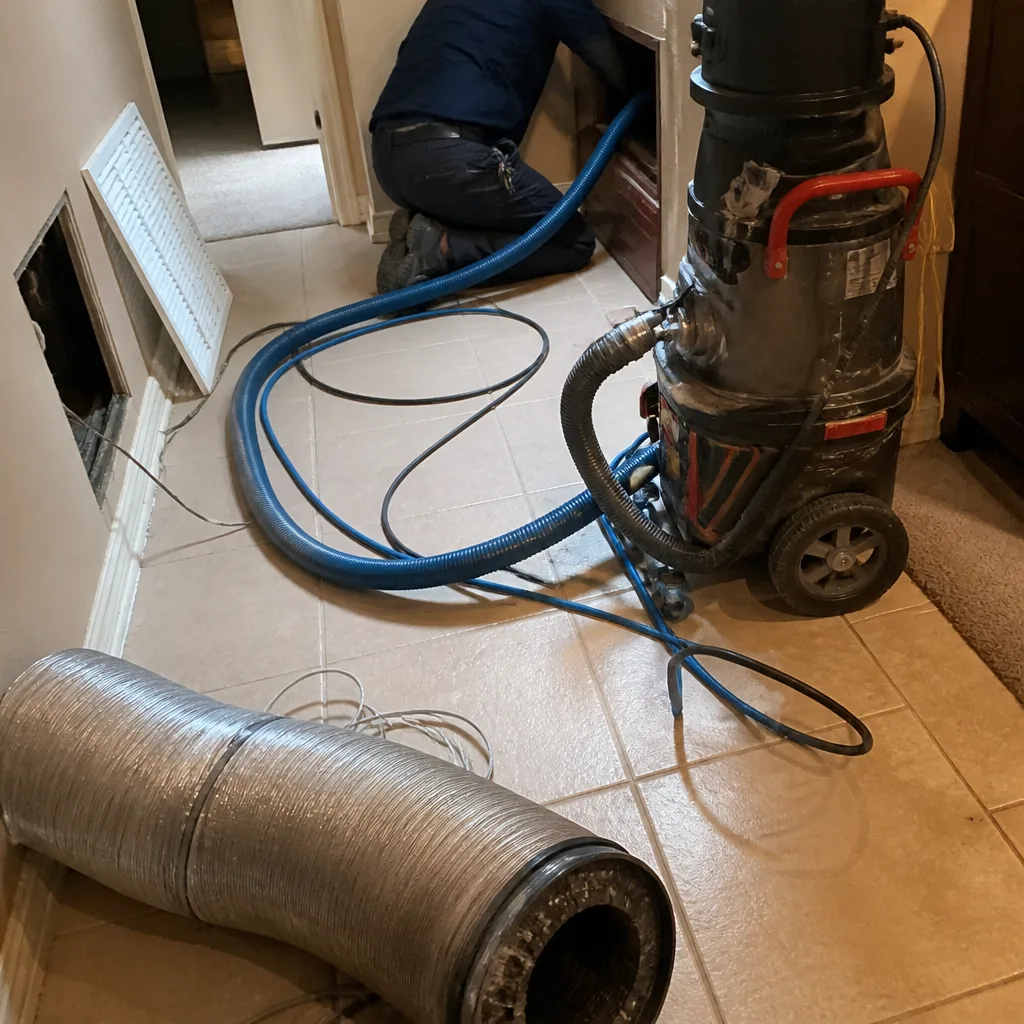 Before
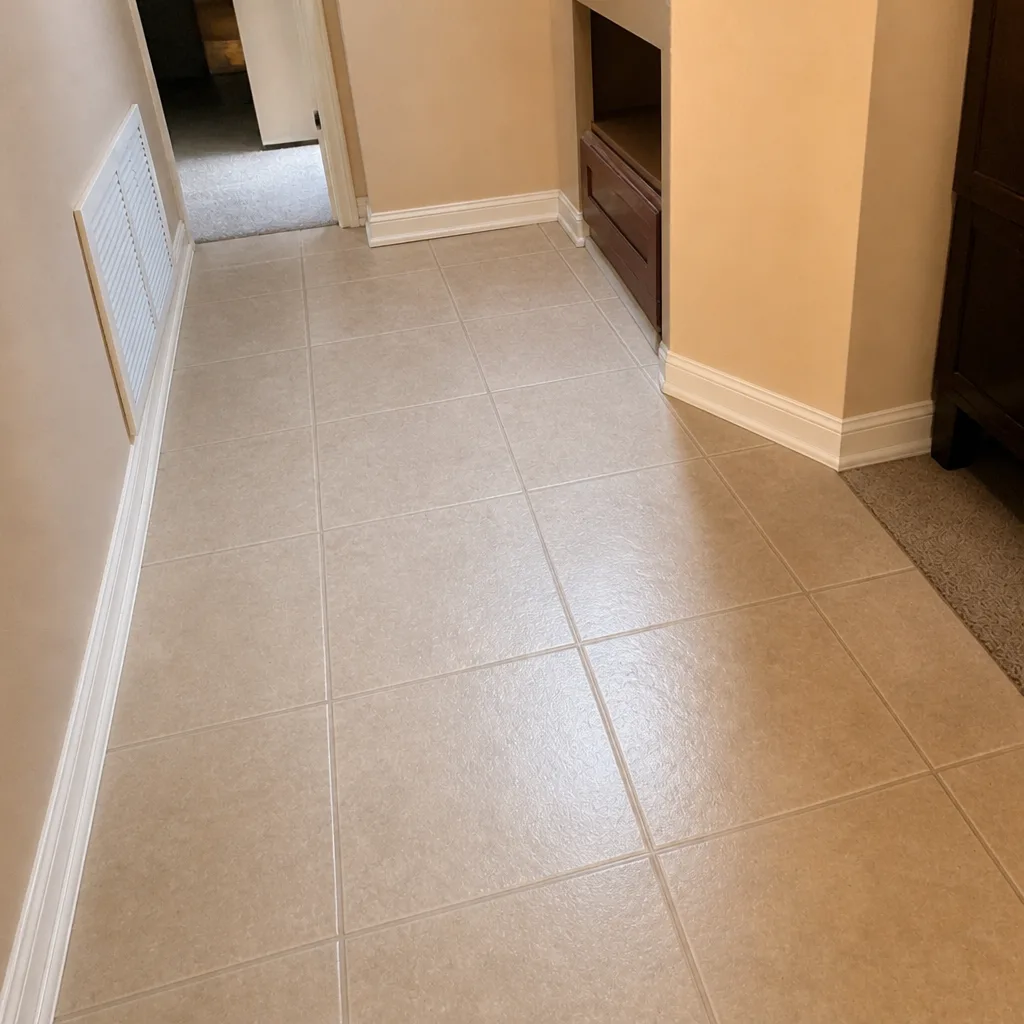 After
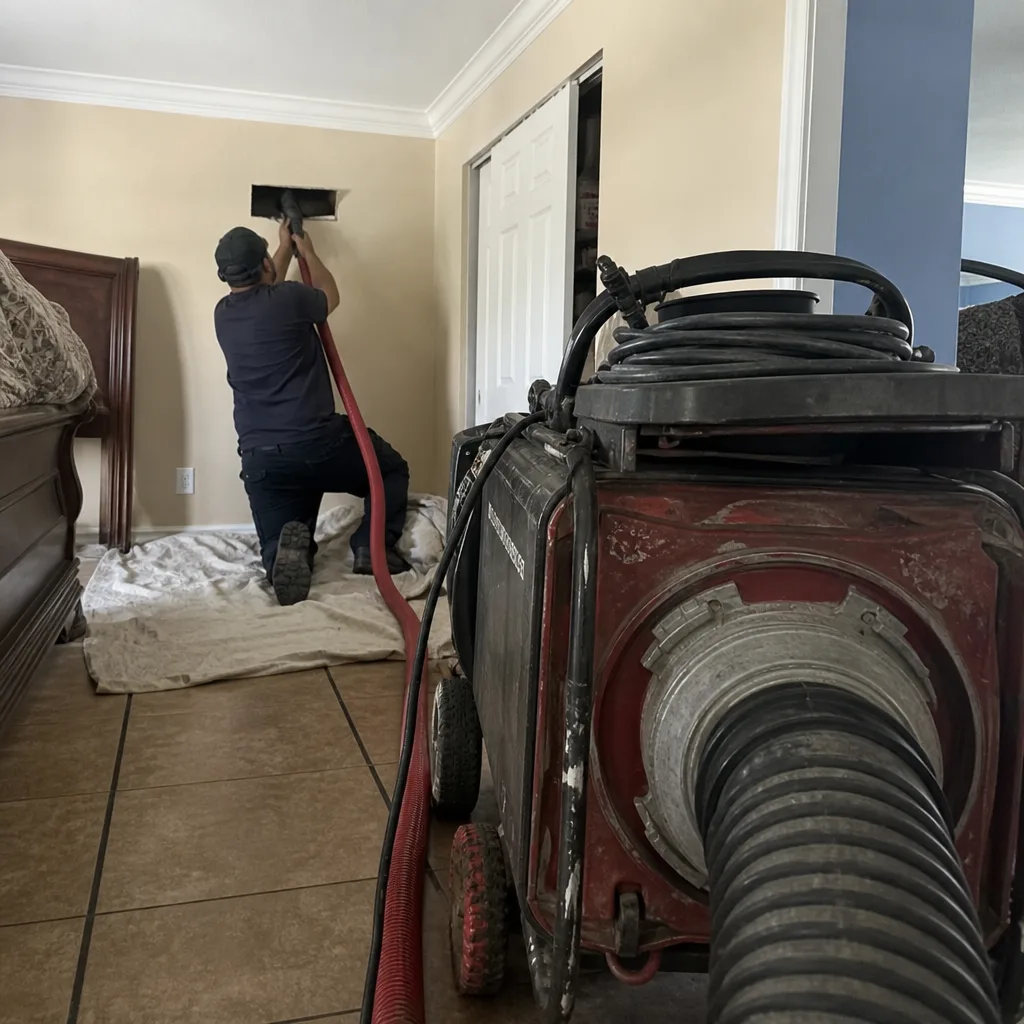 Before
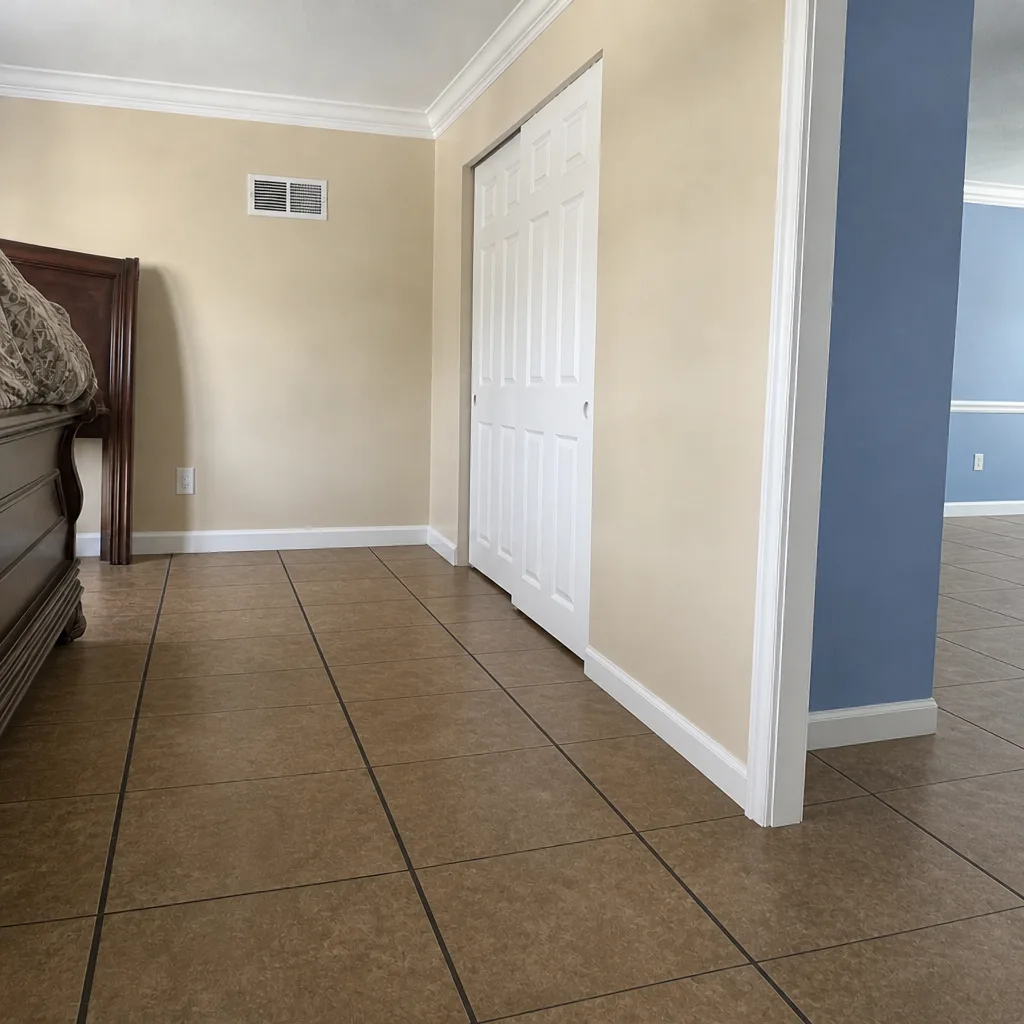 After
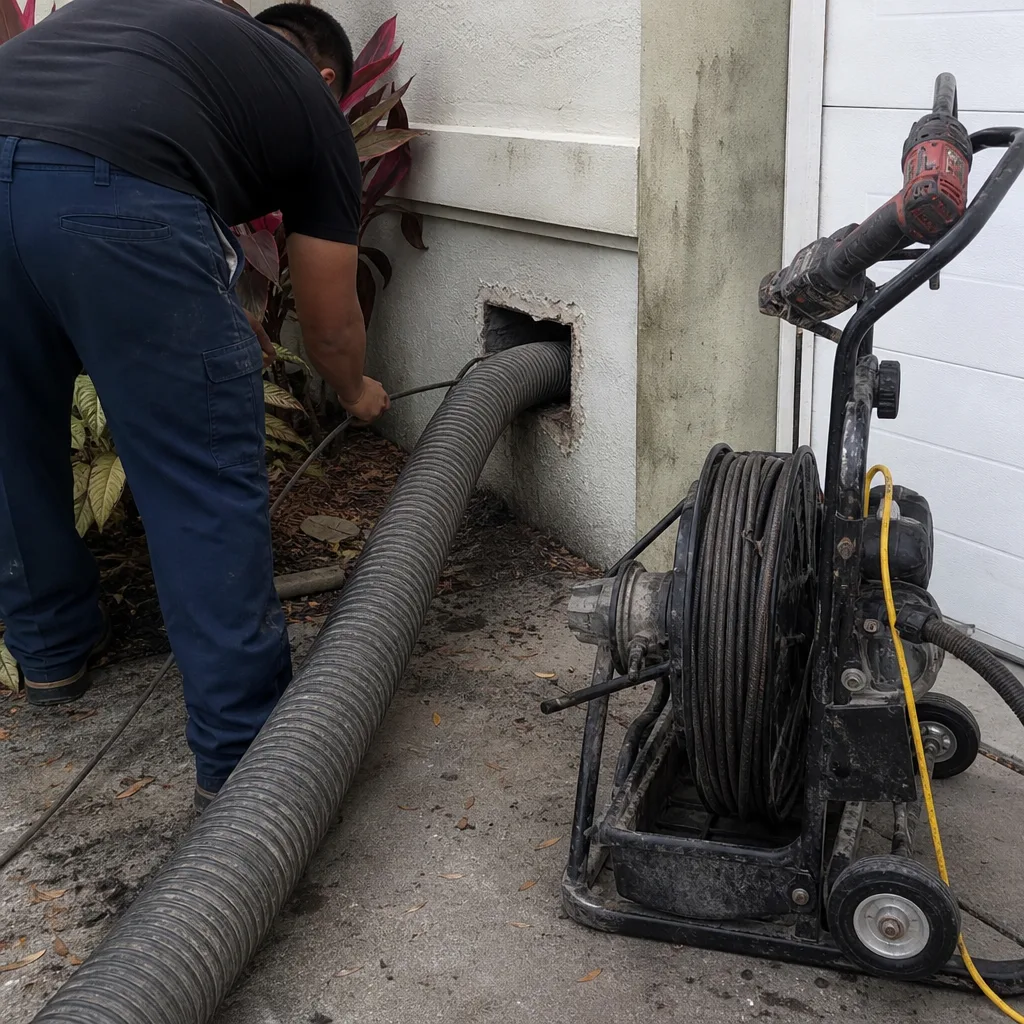 Before
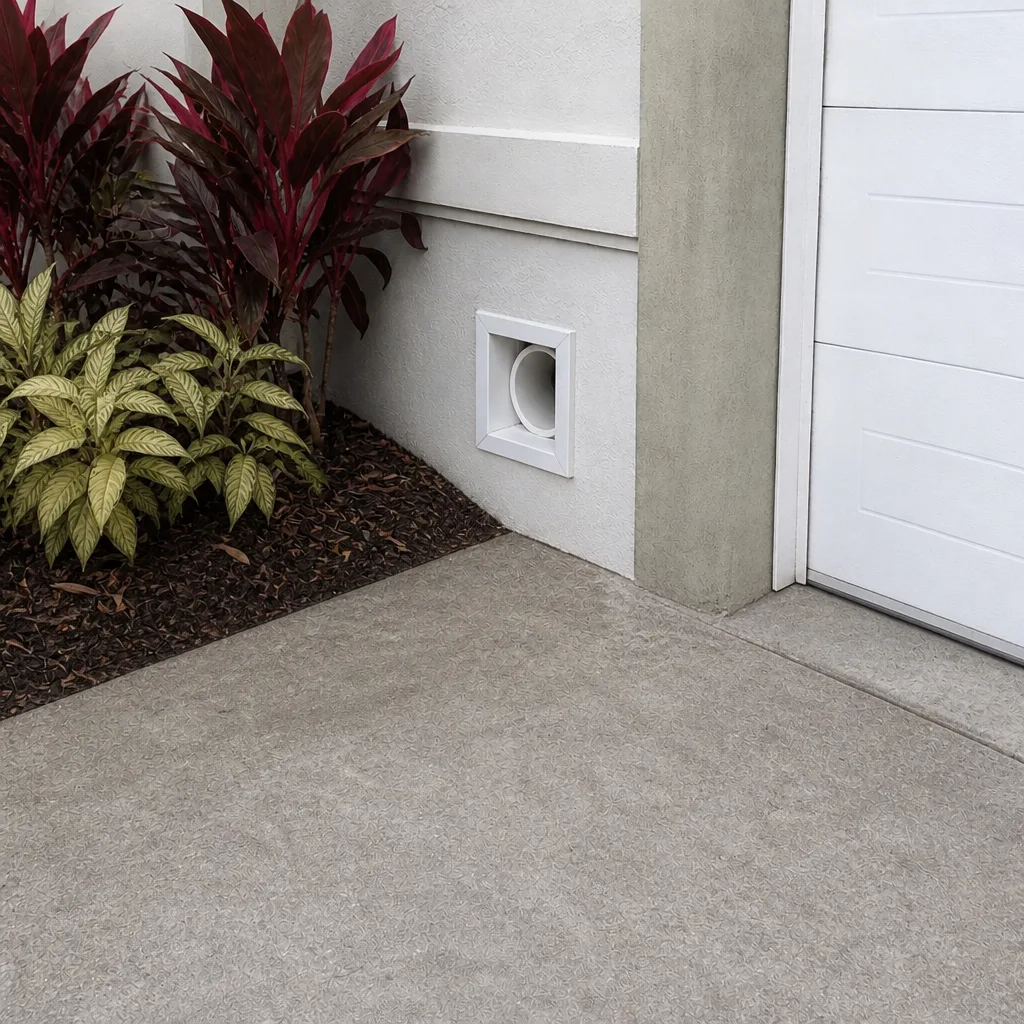 After
When to Call a Professional
Some of this you can diagnose yourself, but several situations call for trained eyes and professional equipment. Call a professional when you have a room that won’t cool regardless of the thermostat, when you hear whistling or hissing at a register, when energy bills jump with no change in habits, or when a musty smell returns shortly after a previous cleaning. Those symptoms point to damage or moisture that a shop-vac can’t address. High-tension components, electrical connections at the air handler, and attic travel are all reasons not to climb into the system yourself. Our technicians have up to 15 years of experience, and we come with the equipment to both find and fix what’s wrong. Hometown Air Duct Cleaning offers free estimates in Port St. Lucie – call (866) 502-9547. We answer 24/7. Fast dispatch from 7am to 7pm, Sunday through Friday.
Frequently Asked Questions
Most duct cleanings are priced per system, not per vent, and the written estimate sets the final figure. The honest answer is that a whole-system cleaning is quoted by a technician who has looked at the size and condition of your ductwork, so a number given over the phone is a guess. We give one flat price per system agreed before work starts, with before-and-after photos of your own ducts, so there’s no surprise invoice once the technician is inside. Call (866) 502-9547 for an exact quote – estimates are free.
A cheap quote usually means less work and less equipment. Bait-and-switch pricing is common in this industry: a low teaser price that grows once the technician is on site, or a quick blowout that agitates debris without proper capture. A real job uses brush-contact cleaning and negative-pressure containment, which takes time and professional tools. Call (866) 502-9547 – estimates are free and the price is agreed before any work begins.
Ask for before-and-after photos of your own ducts. That’s the simplest way to confirm the system was cleaned rather than wiped. We photograph the runs before and after the work so you can see what changed. If a company hesitates to show you that, treat it as a sign. Call (866) 502-9547 for an exact quote – estimates are free.
There’s no single schedule that fits every home. A system with recent renovation dust, pets, or visible debris at the registers needs attention sooner than one that’s clean and sealed. Damage is a different question: a crushed or disconnected run needs repair the moment it’s found, whenever the last cleaning happened. Call (866) 502-9547 – estimates are free and we’ll tell you what your system actually needs.
Not always, but it’s a strong clue. In this humidity, a musty smell that hits when the fan starts often points to moisture at the evaporator coil housing or the supply plenum. Cleaning alone won’t fix it if the moisture source stays wet, so the inspection should look at why the system is getting damp, not just what’s growing. Call (866) 502-9547 for an exact quote – estimates are free.
We repair ducts, not just clean them. Reconnecting a loose run, re-sealing a joint, replacing a crushed section, or addressing damaged insulation lining are all part of what we do, so a cleaning visit can end with a duct system that actually works instead of a report telling you what’s wrong. Call (866) 502-9547 – estimates are free.
The Bottom Line
If a room in your Port St. Lucie home won’t cool right, start with the ducts, not the air conditioner. Run the room-by-room airflow test, then sort out whether you have a dirt problem or a damage problem, because cleaning and repair are different fixes. Watch for humidity-driven moisture hiding at the coil housing and supply plenum, and treat a cleaning that left you with more dust as a sign to get a proper inspection. Professional equipment with brush contact and negative-pressure containment reaches what a shop-vac never will, and a specialist who can repair what the inspection finds saves you from coordinating two trades for one problem. Call (866) 502-9547. We answer 24/7. Fast dispatch from 7am to 7pm, Sunday through Friday.
Written by the team at Hometown Air Duct Cleaning.