
Last updated November 16, 2026
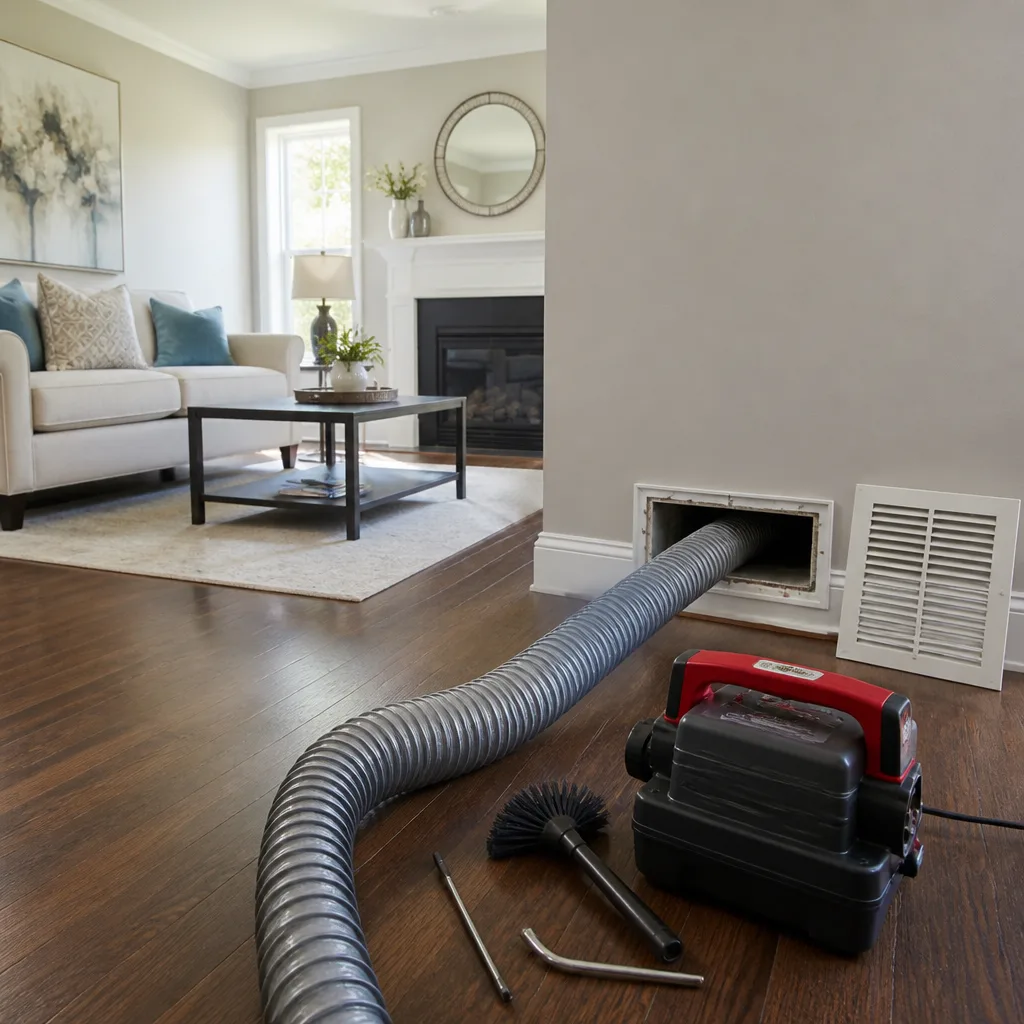 Whole-home duct cleaning
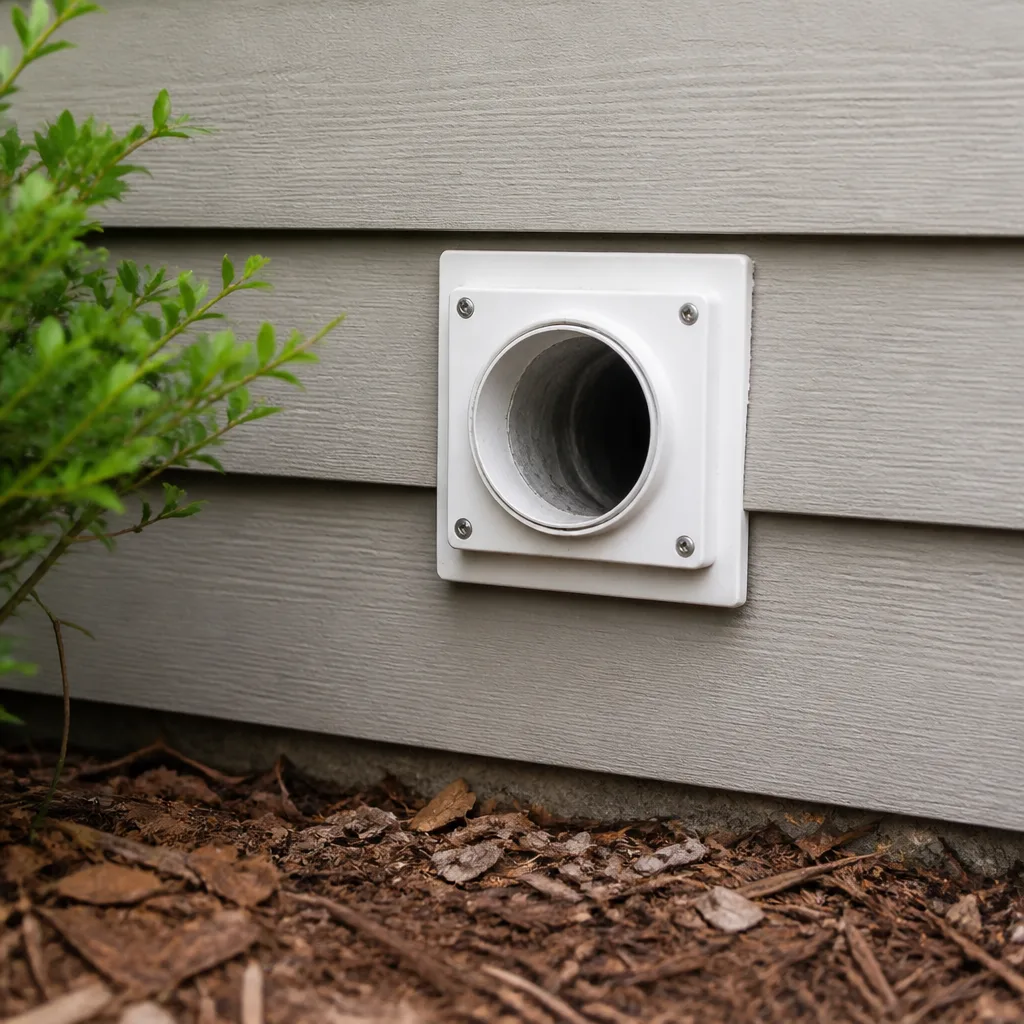 Dryer vent cleaning
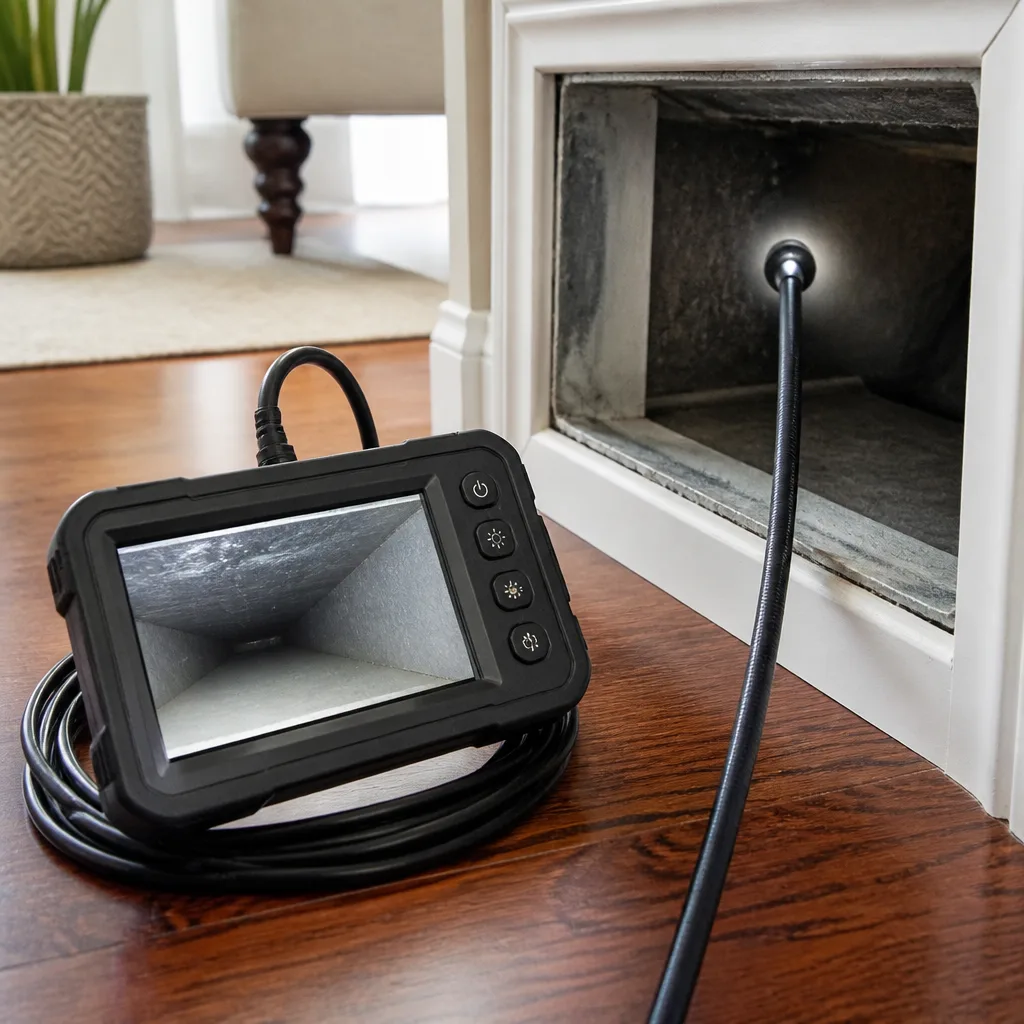 Camera inspection
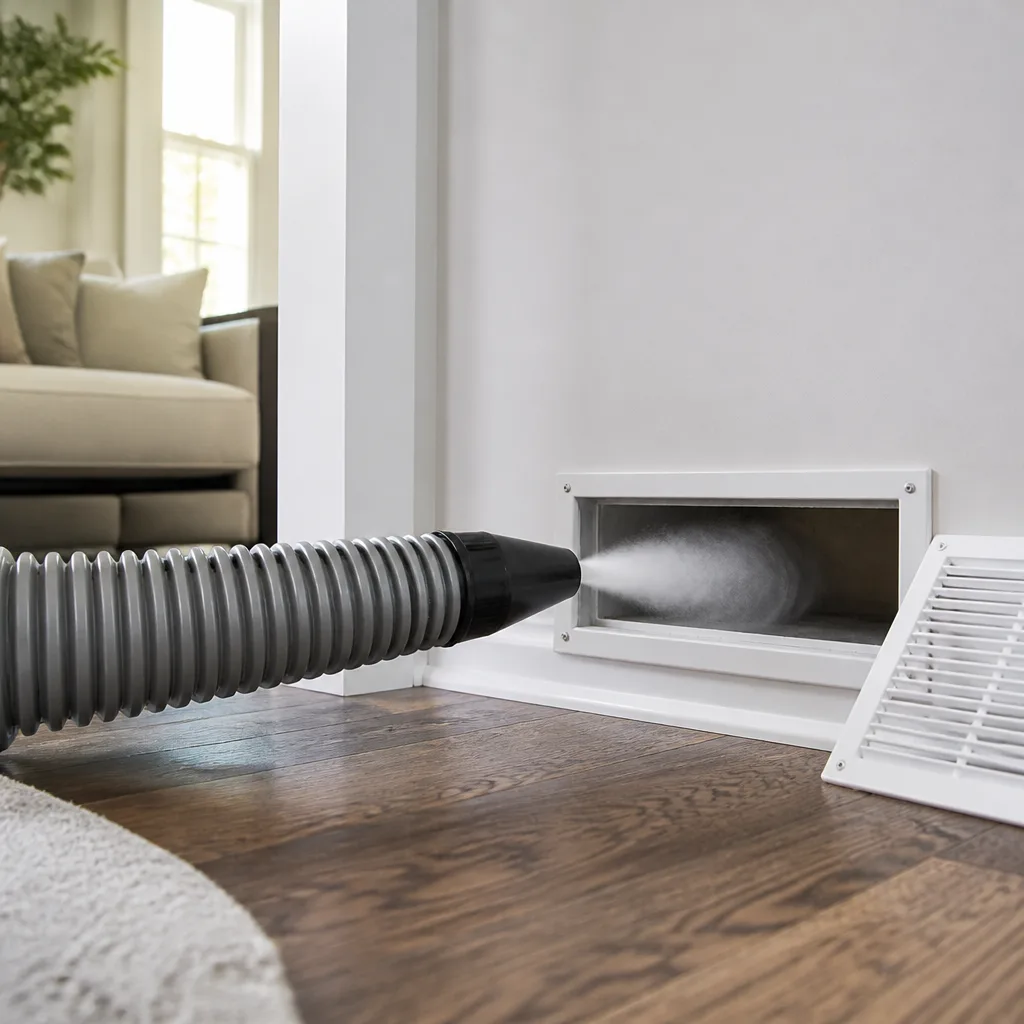 Sanitizing & deodorizing
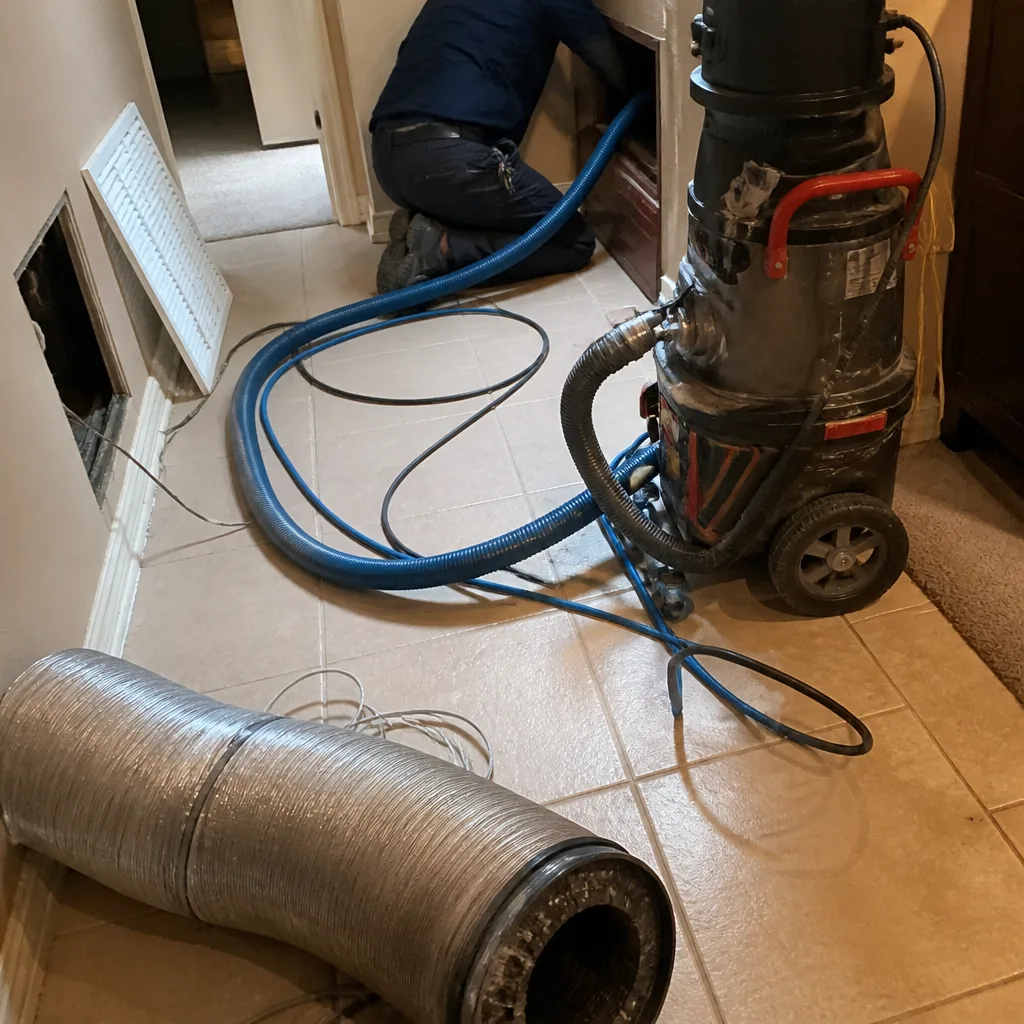
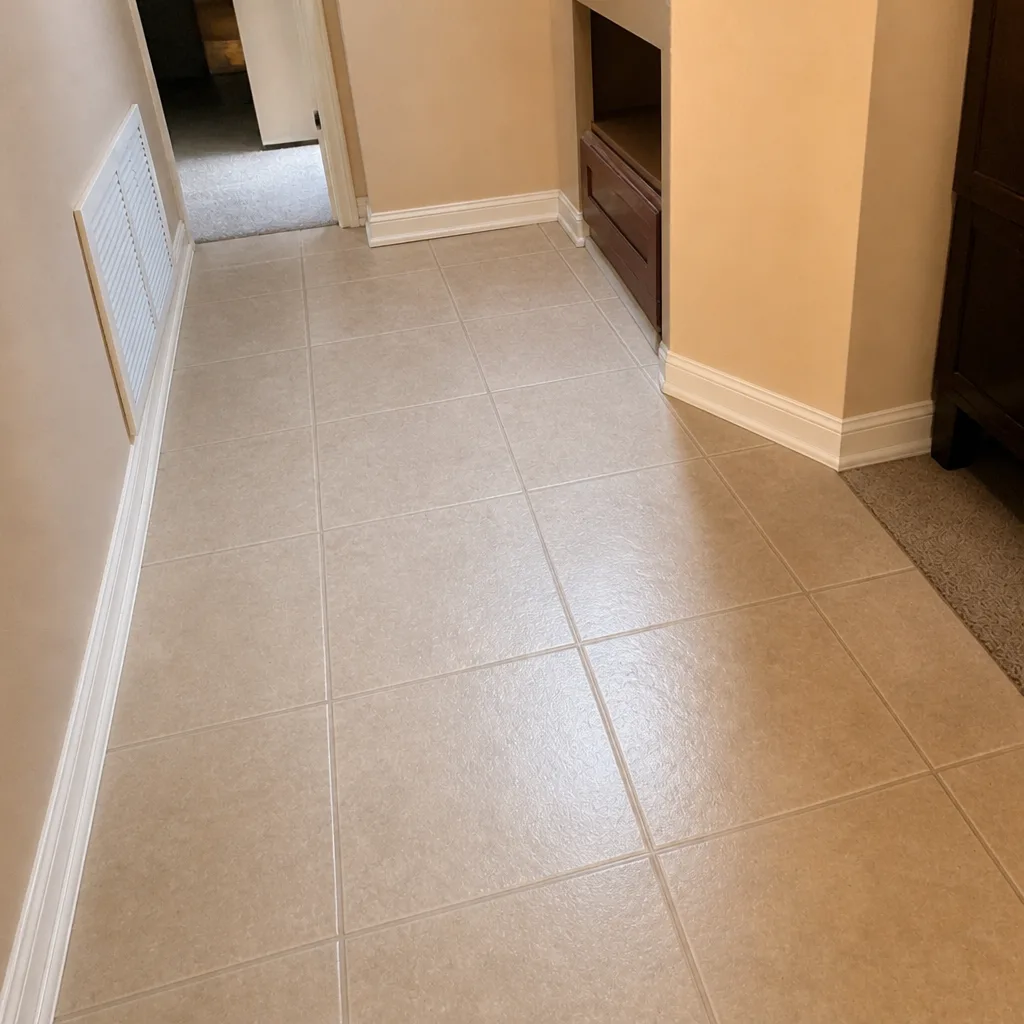
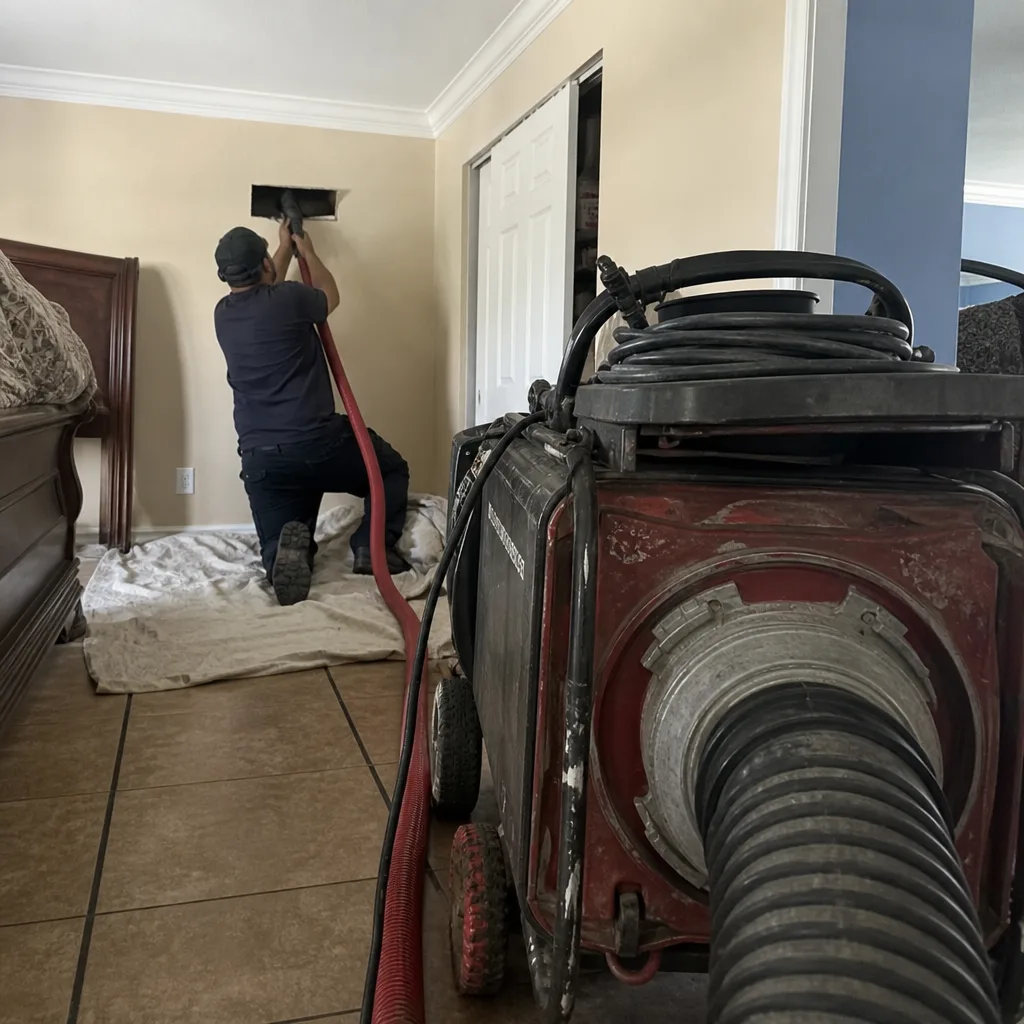
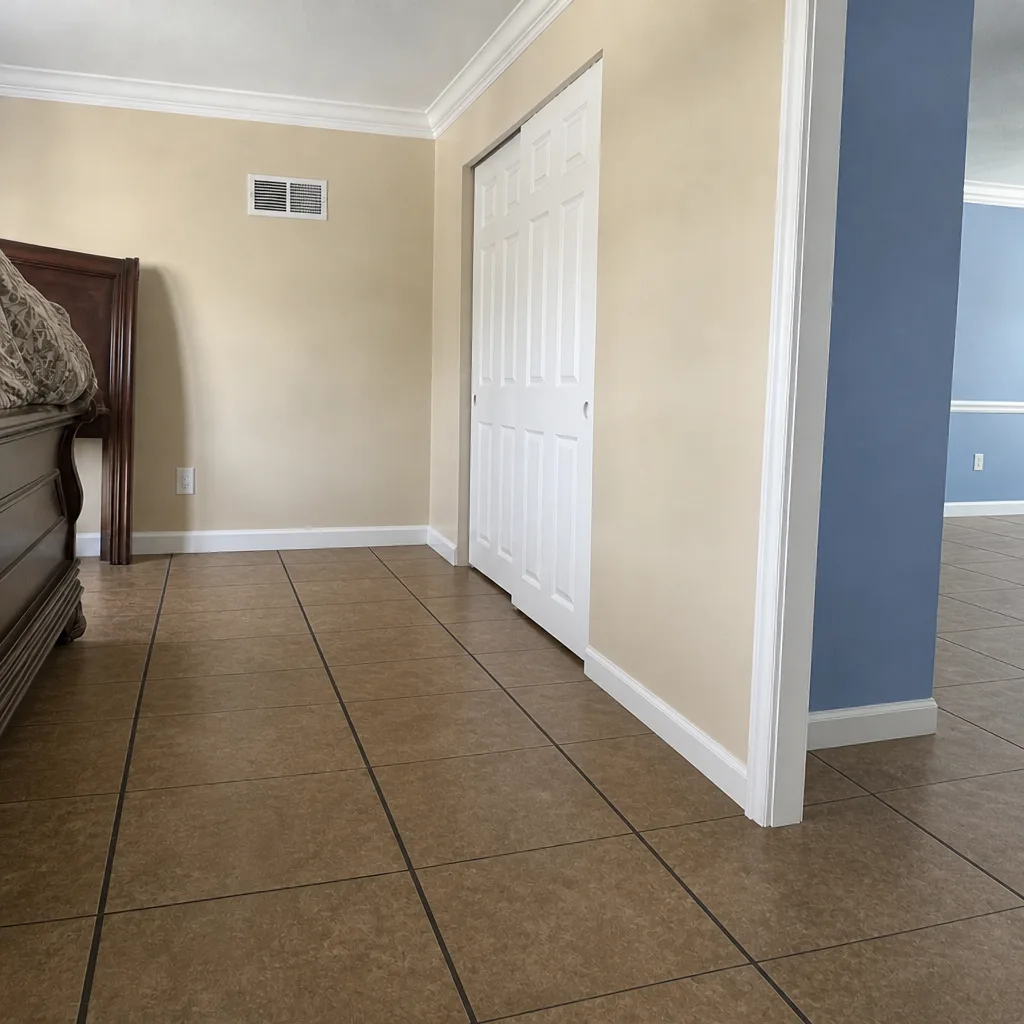
Whole-system duct and dryer vent check with before-and-after photos - you see exactly what came out of your vents
That "$99 whole-house special" is a bait ad - the real number appears once they are in your hallway, or the "clean" is a shop-vac at the register. We photograph the inside of your ducts before and after instead.
Air Duct Cleaning Maintenance Schedule: What to Do and When
The standard advice to clean your ducts every three to five years was written for climates where ducts don’t sweat. Port St. Lucie’s humidity means your timeline might need to be cut in half. That three-to-five-year rule assumes a dry house in a dry place, sealed tight, with no pets, no renovations, and ductwork that hasn’t spent a decade collecting whatever the wind carried in. Most homes here don’t fit that picture. What follows is a condition-based schedule you build around your own house, the tasks that keep a professional cleaning useful in the months between visits, and the local triggers that should move a cleaning forward regardless of what the calendar says.
Styles & brands we work with
- Whole-home duct cleaning
- Dryer vent cleaning
- Camera inspection
- Sanitizing & deodorizing
Quick Answer
There’s no universal interval. In Port St. Lucie, most homes land somewhere between every two and every five years, and the deciding factors are humidity, pets, recent renovation, occupant allergies, home age, and duct material rather than the calendar. If you want a single starting point: inspect the system once a year, and schedule a professional cleaning when what you find at the registers, the return grille, or the air handler tells you the system has crossed from dusty to loaded.
Table of Contents
- Why the Standard Three-to-Five-Year Rule Doesn’t Fit Port St. Lucie
- The Condition-Based Cleaning Matrix: Build Your Own Interval
- The In-Between Tasks: What to Do Monthly and Annually
- Port St. Lucie Triggers That Move a Cleaning Forward
- Dryer Vent Cleaning: A Separate and More Urgent Timeline
- What a Professional Cleaning Actually Involves
- What to Document After Every Cleaning
- Common Mistakes to Avoid
- When to Call a Professional
- Frequently Asked Questions
Why the Standard Three-to-Five-Year Rule Doesn’t Fit Port St. Lucie
The every-three-to-five-years advice gets repeated because it’s easy to repeat. It also assumes conditions that don’t exist here. Air conditioning in Port St. Lucie runs for most of the year, and a system that runs constantly moves far more air through the same ducts than a system that idles through three seasons. More air means more dust, more pollen, and more fine particulate settling on duct walls. The ducts themselves go cold and wet with every cooling cycle, then dry out when the system cycles off.
That wet-dry rhythm is the part most general advice ignores. Moisture on interior duct surfaces gives dust a place to stick and gives biological growth a foothold. Add the sandy soil common to this part of the Treasure Coast, the construction activity that comes with a growing city, and the older housing stock that still runs original flex duct in a lot of neighborhoods, and the math changes.
In our experience, a home in Port St. Lucie that runs its system year-round, has a dog, and sits near a new subdivision under construction is not on a five-year clock. It’s closer to a two- or three-year clock, sometimes less. The schedule that matters is the one that matches your house, not the industry average.
One more local wrinkle: a lot of Port St. Lucie homes were built as efficient, tightly sealed structures, which is good for the power bill and less good for air exchange. When a house doesn’t breathe through its walls, the duct system does more of the work of moving air and collecting what’s in it. That’s a reason to check more often, not less.
The Condition-Based Cleaning Matrix: Build Your Own Interval
Instead of picking a number out of the air, score your home against the factors that actually drive contamination. Each factor below pushes your interval down. Stack two or three of them and the professional cleaning comes sooner, sometimes much sooner.
Pet ownership
One dog or cat in a home that runs its system year-round is a meaningful load. Dander, loose fur, and the outdoor debris pets track in all cycle through the return and settle in the ducts. Two or more pets, or a long-haired breed that sheds heavily, pushes the interval shorter. A newly adopted pet is its own trigger, covered further down.
Recent renovation
Any drywall work, flooring removal, cabinet replacement, or painting project releases fine dust that a filter can’t catch fast enough. Construction dust settles into ductwork and stays there. A cleaning after a significant remodel is not optional maintenance, it’s part of finishing the job. If you’re renovating in Port St. Lucie and running the system to keep the house comfortable while the work happens, the ducts collect everything the crew kicks up.
Occupant allergies or respiratory sensitivity
If someone in the household has allergies or asthma, the threshold for “clean enough” drops. A system that would be fine for a healthy adult can keep irritating a sensitive occupant. Shorter intervals, better filtration, and attention to the returns all matter more here.
Home age and duct material
Older Port St. Lucie homes often still have original flex duct, which has a corrugated interior that traps debris more readily than smooth sheet metal. Flex duct also sags and can develop tears that pull attic air into the system. Newer homes with rigid ductwork and good sealing collect less per year, but new construction itself generates debris that needs clearing out after the first year or two.
Humidity exposure and system runtime
A home that runs its air handler nearly every day of the year is on a faster cycle than one with long shoulder seasons. Most Port St. Lucie homes fall into the first group.
How to score your home
- Count your factors from the list above. Two or more means you’re likely on a two-to-three-year cycle.
- Check your filter monthly. If it’s loaded within thirty days, your ducts are probably moving more debris than they should.
- Look at the return grille and the register faces. Visible dust buildup on the grille is a signal, not a cosmetic issue.
- Remove a register cover and look inside the boot with a flashlight. Heavy dust on the first foot of duct tells you what the rest of the run looks like.
- Set your interval and write it down. A date on the calendar beats a vague intention.
If you want a second opinion on what stage your system is at, air duct cleaning estimates are free, and we’ll tell you honestly if you don’t need the work yet.
The In-Between Tasks: What to Do Monthly and Annually
A professional cleaning resets the clock. What you do between cleanings determines how fast that clock runs. These tasks are the difference between a system that stays reasonably clean and one that’s loaded again in eighteen months.
Monthly
- Check the filter. Look at it, don’t guess. A filter that’s visibly gray across the surface is done. Hold it up to a light: if you can’t see through it, replace it.
- Look at the return grille. Dust buildup on the grille face is normal; a thick mat is not. Vacuum the grille face with a brush attachment.
- Check the condensate drain. A clogged condensate line backs water up at the air handler, and standing moisture near the system is a direct path to biological growth that finds its way into the ducts. Pour a cup of water down the drain line or check the pan is dry. This one task matters more in Port St. Lucie than almost anywhere else because the system produces condensate constantly.
- Walk the house and note airflow. A register that’s suddenly weak, or a room that’s no longer comfortable, is a signal worth investigating.
Filter grade: what you actually need
A common mistake is buying the highest MERV rating available and expecting the ducts to stay clean. High-MERV filters do capture finer particles, but they also add resistance to a system that wasn’t designed for it, and an over-restricted return can starve the air handler. A MERV 8 to MERV 11 filter is a sensible range for most homes. If you want tighter filtration, the better move is a purpose-built system with the airflow matched to the equipment. We work with Honeywell and Aprilaire filtration products, and we can tell you what your system can handle without choking the blower.
Annually
- Inspect the air handler cabinet and the duct connections for gaps, tears, or tape that’s lost its grip.
- Check the return duct run in the attic if you have one, looking for sagging flex or crushed sections.
- Look for any moisture staining around registers or the air handler.
- Review your cleaning interval against the past year and adjust if life changed (new pet, renovation, new baby).
Port St. Lucie Triggers That Move a Cleaning Forward
Some events override the schedule entirely. When one of these happens, the calendar is irrelevant; the cleaning moves up.
Visible mold or moisture staining at the registers after a wet season
After a heavy rainy season, look at every register face and the area around it. Dark spotting, a musty smell when the system kicks on, or staining on the drywall around a register all point to moisture in the system. That’s a stop-and-address-it-now situation, not a next-year item. We don’t perform mold remediation, but we can clean the system and correct the moisture conditions that let growth take hold, and we’ll tell you when the situation calls for a remediation specialist.
Post-storm debris infiltration
A storm that drives wind and water into a home can push debris into outdoor air intakes and, in the worst cases, into ductwork through compromised connections. If a storm has passed through Port St. Lucie and you notice grit at the registers, a change in airflow, or a smell that wasn’t there before, get the system inspected before running it for another season.
A new pet
A new dog or cat changes the load on the system immediately. If your duct cleaning was two years back and you’ve since added a shedder, move the next cleaning up.
Renovation dust
A remodel is a trigger, not a maybe. Schedule the cleaning after the dust settles and before you settle back into normal life in the house.
Unexplained airflow or comfort changes
A room that used to be comfortable and isn’t, a return that’s louder than it used to be, or a system that runs longer than it should all warrant a look. Sometimes the fix is a cleaning, sometimes it’s a repair, and sometimes it’s both. That’s a big reason we do Port St. Lucie duct repair alongside cleaning. When we find a crushed flex run, a disconnected joint, or a torn section, we can fix it on the same visit instead of handing you a list of problems to call someone else about.
Dryer Vent Cleaning: A Separate and More Urgent Timeline
Dryer vent maintenance runs on its own clock, and that clock is faster than the one on your HVAC ducts. The reason is simple: a clogged dryer vent is a fire risk, not just an efficiency problem. Lint is highly flammable, and it accumulates in the vent run with every load. A dryer vent that’s restricted also makes the dryer work harder, which means longer cycles and more heat in the vent, which is exactly the condition you don’t want with a lint load inside.
The dryer vent timeline
- Once a year: a reasonable baseline for a typical household, and more often for a large family or a home with a long vent run.
- Every six months: if you do several loads a day, have a large household, or your dryer is located far from the exterior wall.
- Immediately: if any warning sign below shows up.
Warning signs of a neglected dryer vent
- Clothes take two cycles to dry when they used to take one.
- The dryer or the laundry room gets noticeably hot to the touch.
- A burning or musty smell during a cycle.
- Lint visible around the exterior vent hood, or the hood flap doesn’t open fully when the dryer runs.
- The flexible foil or plastic transition duct behind the dryer is crushed or kinked.
If any of those are present, stop using the dryer until the vent is cleared. We treat dryer vent cleaning as a fire-safety service, and we approach it that way: full run, lint trap housing, transition duct, and exterior termination. It’s a different job from duct cleaning, and it deserves its own line on your maintenance calendar.
One habit worth building: clean the lint trap before every load, and periodically vacuum the trap housing itself. The trap catches the obvious lint; the housing and the transition duct collect the rest.
What a Professional Cleaning Actually Involves
Knowing what a real cleaning looks like is the best defense against a cheap quote that turns into a much larger invoice on the day of service. A proper job is methodical. Here’s what it should include.
- An inspection before any cleaning. Registers, returns, the air handler, and the accessible duct runs. A technician who skips this step is guessing.
- Containment setup. Negative-pressure containment keeps dislodged debris from recirculating into the home while the work happens. We use Abatement Technologies equipment for this, and it’s the difference between cleaning a system and just stirring it up.
- Mechanical agitation of the duct surfaces. Air alone doesn’t remove dust that’s adhered to the walls. We run Rotobrush brush-contact systems through the runs to physically scrub the surfaces.
- HEPA capture. A Nikro HEPA vacuum rig captures what the brush loosens, so it leaves the system instead of settling into your living room.
- A post-cleaning inspection. Look at the before-and-after photos. A real cleaning produces visible evidence.
- Repair what needs repair. A cleaning is the moment when a technician is inside the system and can see what’s wrong. Disconnected joints, torn flex, and crushed runs should be corrected, not just noted.
If your home has a filtration system or you’re considering one, a cleaning visit is also the natural time to talk through options. We work with Honeywell and Aprilaire IAQ products, and Guardsman equipment, and we can tell you what fits your system and what doesn’t.
What to Document After Every Cleaning
The single most useful thing you can do after a professional cleaning is document it. The next technician who works on your system, or the person who buys your home, will thank you, and you’ll have a real baseline instead of a memory.
- Before-and-after photos. Interior duct shots, register faces, and the air handler. Ask for them if they’re not offered.
- Airflow readings. If the technician takes velocity or static pressure readings, keep the numbers. They’re the baseline for diagnosing a future problem.
- Condition notes. What was found, what was repaired, what bears watching. A note like “flex run in attic shows a partially crushed section, monitored” is worth more than a receipt.
- The date and the equipment used. It sets your next interval and gives the next technician context.
- Filter type and size. The model number of the filter you run, so you don’t have to measure again in six months.
Keep it in one place. A folder with the HVAC paperwork is fine. If you move, leave it for the next owner. This is the paperwork that turns duct maintenance from guesswork into a record.
Common Mistakes to Avoid
- Following the three-to-five-year rule blindly in a humid climate. It was written for drier conditions. In Port St. Lucie, humidity, year-round runtime, and local conditions push most homes to a shorter cycle. Score your own home before you decide.
- Buying the highest-MERV filter you can find. A filter that’s too restrictive starves the air handler and can damage the system. MERV 8 to MERV 11 fits most homes; anything beyond that should be matched to the equipment.
- Skipping the condensate drain check. A clogged drain line creates standing water at the air handler, which is a direct path to moisture in the system. Check it monthly, especially during the wet season.
- Treating dryer vent cleaning as a someday chore. It’s a fire-safety task on a faster timeline than your HVAC ducts. An annual check is the minimum, not the goal.
- Accepting a quote without an inspection. A price quoted over the phone without seeing the system isn’t a real price. We inspect before we quote, and the written estimate sets the final number.
- Letting a technician clean without documenting. No photos, no readings, no notes means no baseline. Ask for the record.
- Assuming a cleaning crew will repair what they find. Many standalone crews can’t. If your ducts have crushed flex or disconnected joints, the repair needs to happen for the cleaning to actually help. We do both.
- Ignoring a musty smell after a wet season. A smell that appears when the system kicks on is a signal to inspect, not a smell to air out. Moisture in the system doesn’t resolve on its own.
When to Call a Professional
Call when the inspection you’d do yourself turns up something you shouldn’t handle: visible mold at the registers, a musty smell with the system running, debris or grit at the registers after a storm, or airflow that’s changed in a room that used to be comfortable. Call when your condition matrix puts you on a cleaning cycle and you haven’t scheduled it. Call when the dryer vent shows any warning sign, and stop using the dryer until it’s cleared. And call when you suspect a repair, because a cleaning is the right time to fix what’s found inside the system.
Hometown Air Duct Cleaning offers free estimates in Port St. Lucie. Call (866) 502-9547. We answer 24/7. Fast dispatch from 7am to 7pm, Sunday through Friday.
Frequently Asked Questions
Most Florida homes fall between every two and every five years, with Port St. Lucie homes on the shorter end of that range because of humidity, year-round system runtime, and local construction activity. Homes with pets, recent renovation, or allergy-sensitive occupants should lean toward two to three years. Score your home against those factors and set your own interval rather than following a national average. Call (866) 502-9547 for an exact quote; estimates are free.
Whole-system pricing depends on the size of the home, the number of registers and returns, the condition of the system, and whether any repairs are needed. The honest number comes from an inspection and a written estimate, which sets the final price. Be wary of any quote given without an inspection or a per-register teaser price, because that’s usually where the bait-and-switch starts. Call (866) 502-9547 for a free estimate and a flat price per system agreed before work starts.
Cheap quotes usually skip either the containment, the mechanical agitation, or both. A crew that runs a vacuum hose through the system without scrubbing the duct walls removes surface debris but leaves the adhered layer, and without negative-pressure containment, some of what it loosens goes back into the house. We use Rotobrush brush-contact systems, Nikro HEPA vacuums, and Abatement Technologies containment on every job, and we quote one flat price per system after inspection. Call (866) 502-9547 to schedule a free estimate.
Ask for before-and-after photos of your own ducts and, if available, airflow readings. A real cleaning produces visible evidence, and a technician who documents the job leaves you with a record. We photograph the work and note condition so you have a baseline for next time. Call (866) 502-9547 to book a free estimate.
Once a year is a reasonable baseline, and every six months for large households or long vent runs. The reason is fire safety, not efficiency: lint is flammable and accumulates in the vent with every load. Warning signs include longer dry cycles, a hot dryer, a burning smell, or a vent hood flap that doesn’t open fully. Stop using the dryer until it’s cleared. Call (866) 502-9547 for a free estimate.
Yes. Constant air conditioning means moisture on interior duct surfaces, and that moisture gives dust something to stick to and gives biological growth a foothold. A system that runs year-round in humid air collects faster than one in a dry climate with a short cooling season. If you’ve noticed a musty smell or visible spotting at the registers after a wet season, get it inspected before another season passes. Call (866) 502-9547; estimates are free.
The Bottom Line
Your duct cleaning schedule should come from your house, not from an industry average. In Port St. Lucie, humidity, year-round runtime, sandy soil, and local construction activity push most homes toward a two-to-three-year cycle, and pets, renovations, and allergy concerns push it shorter. Check your filter and condensate drain monthly, inspect the system annually, and treat the dryer vent as a separate fire-safety track on a faster clock. Document every cleaning so the next technician has a real baseline. Hometown Air Duct Cleaning handles cleaning, dryer vent service, and duct repair in Port St. Lucie, and every job starts with a free estimate and a flat price per system agreed before work begins. Call (866) 502-9547. We answer 24/7. Fast dispatch from 7am to 7pm, Sunday through Friday.
Written by the team at Hometown Air Duct Cleaning.
See the difference
 Before
 After
 Before
 After
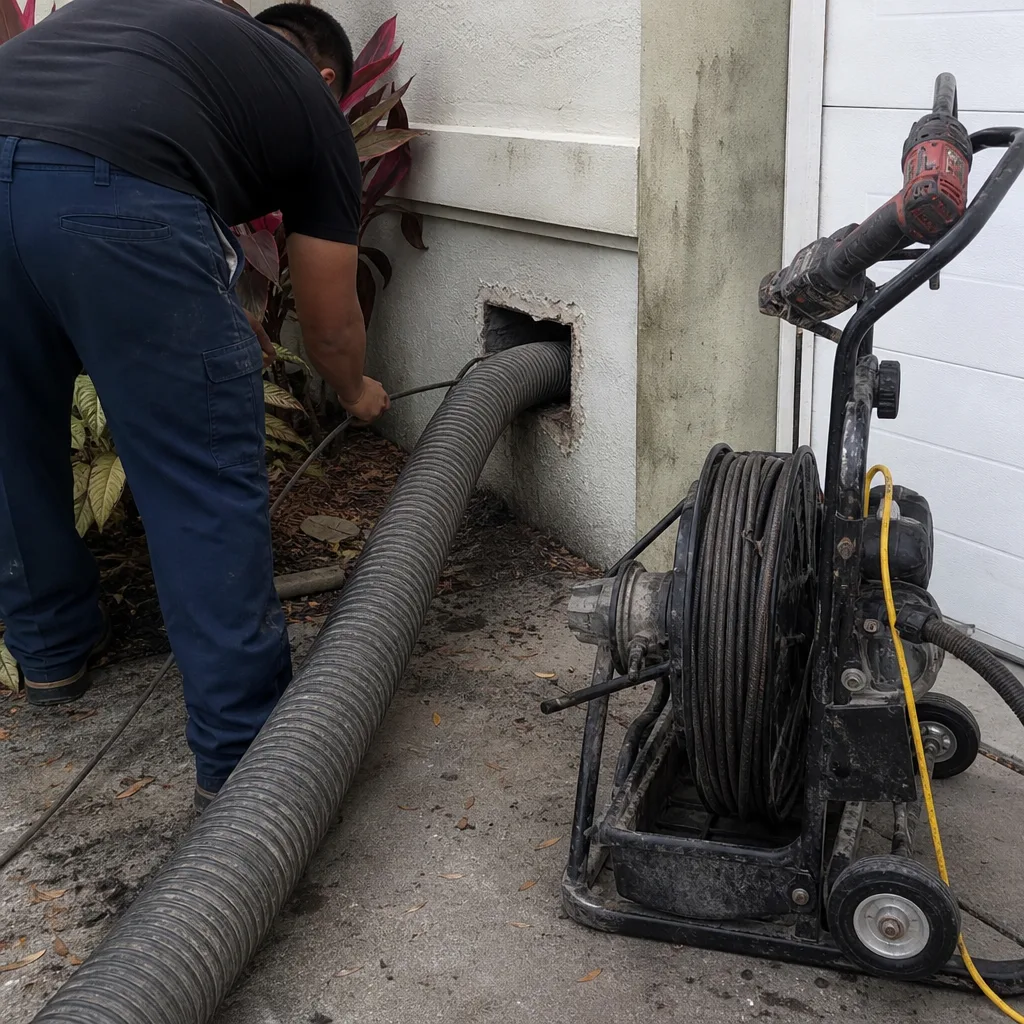 Before
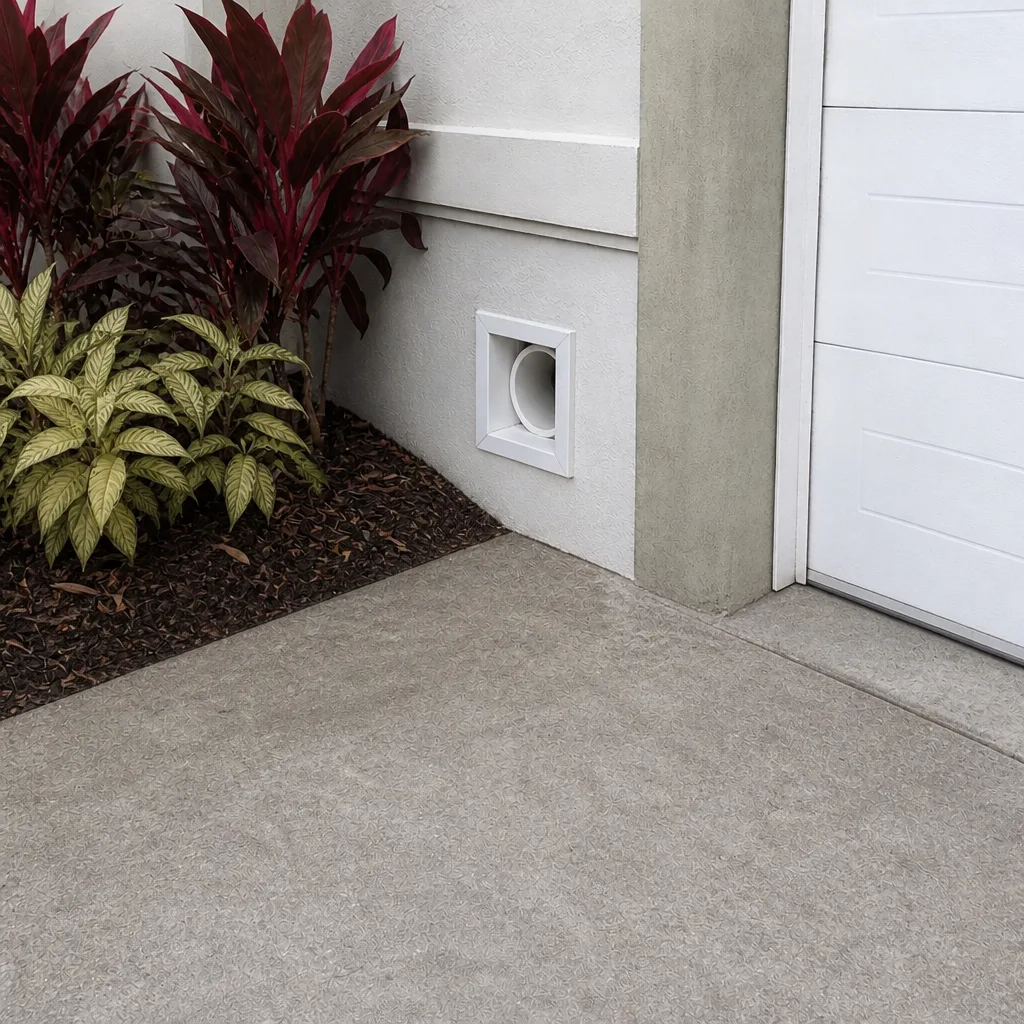 After