
Last updated November 16, 2026
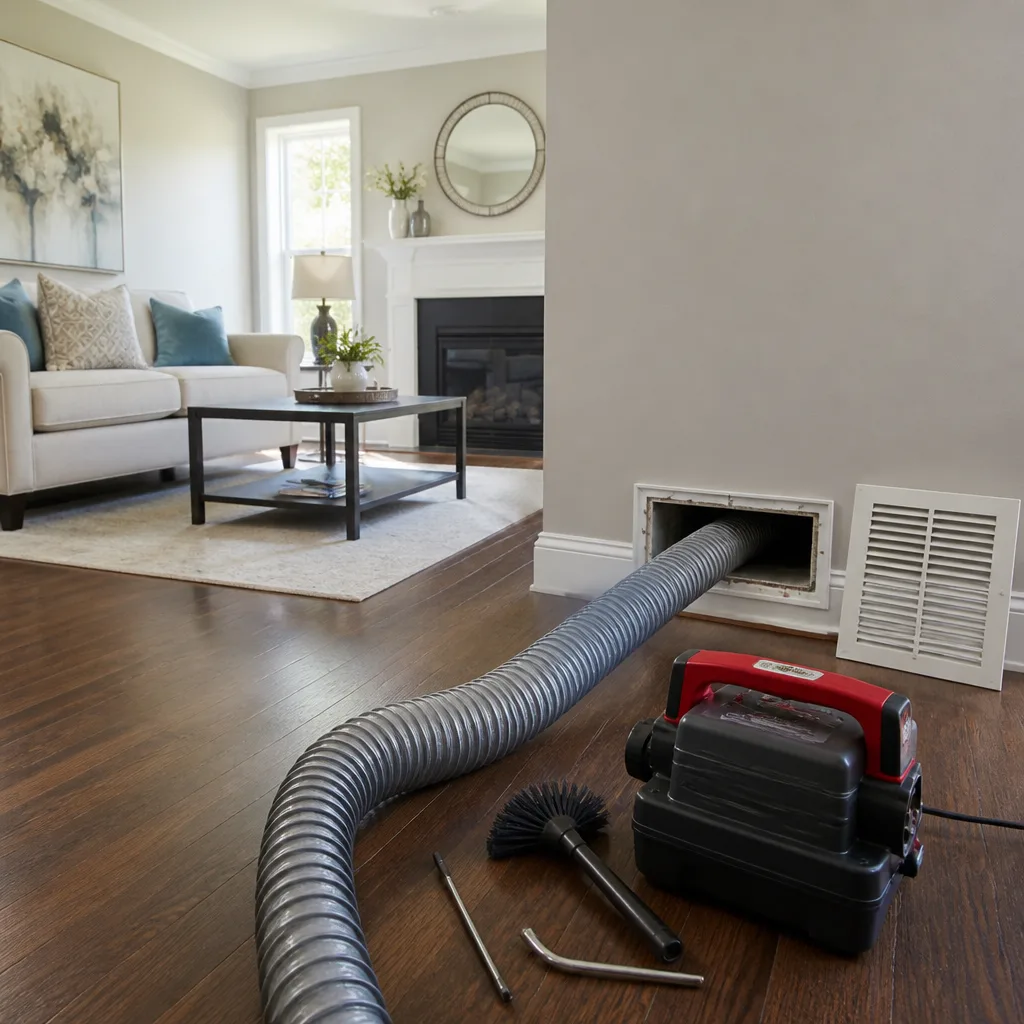 Whole-home duct cleaning
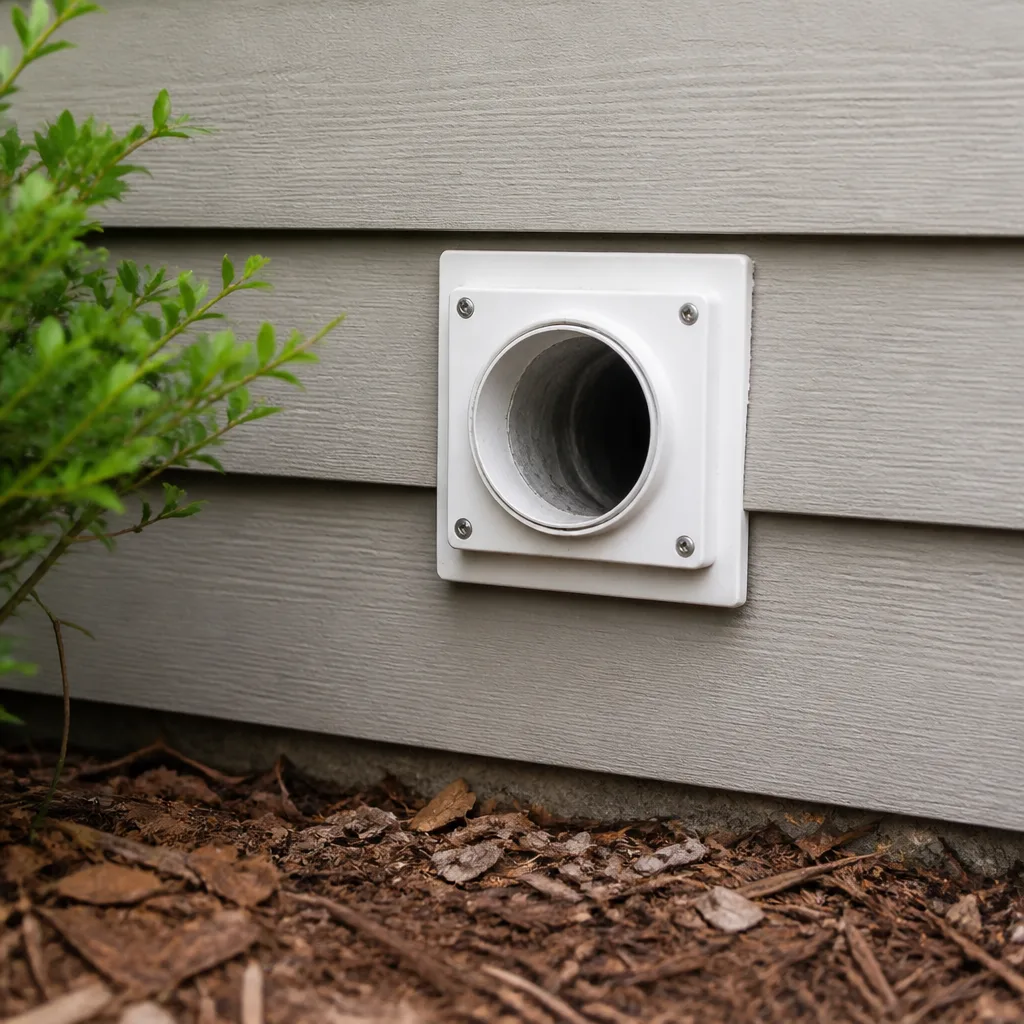 Dryer vent cleaning
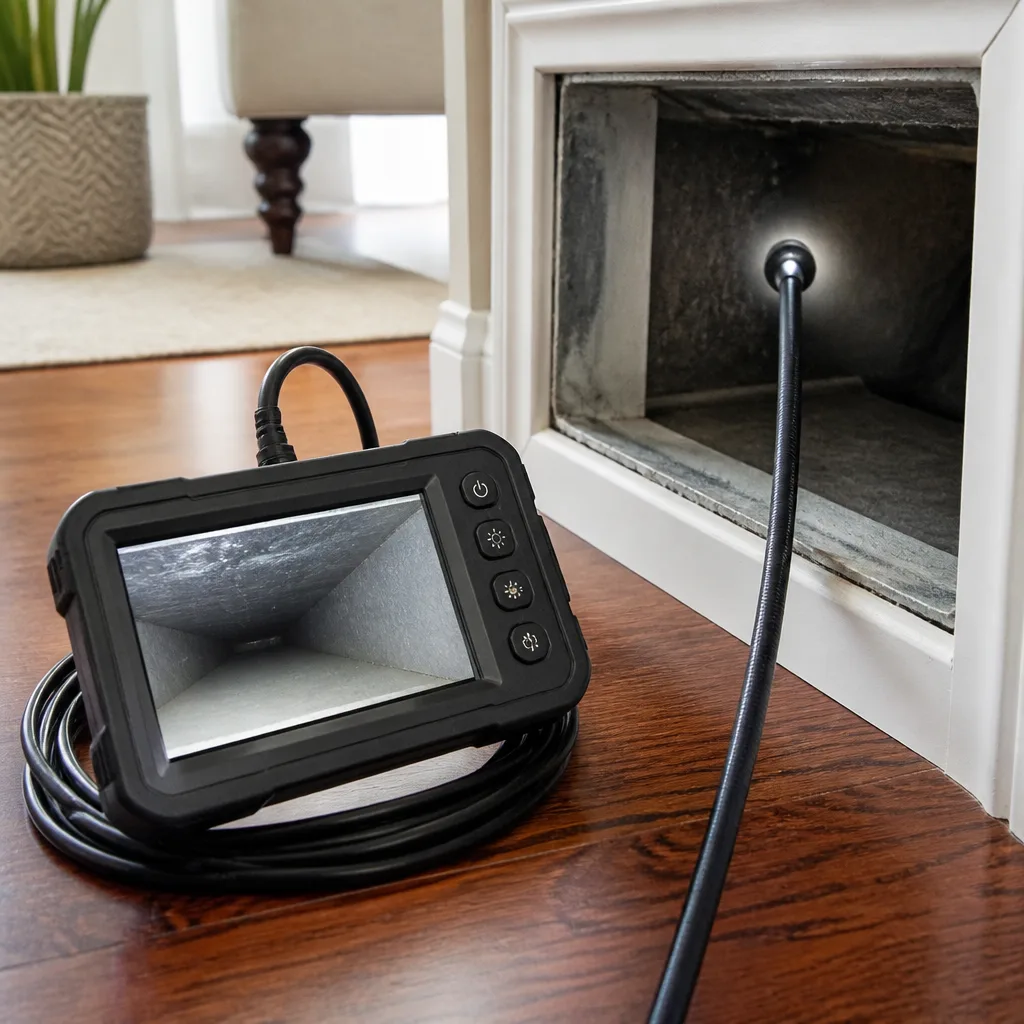 Camera inspection
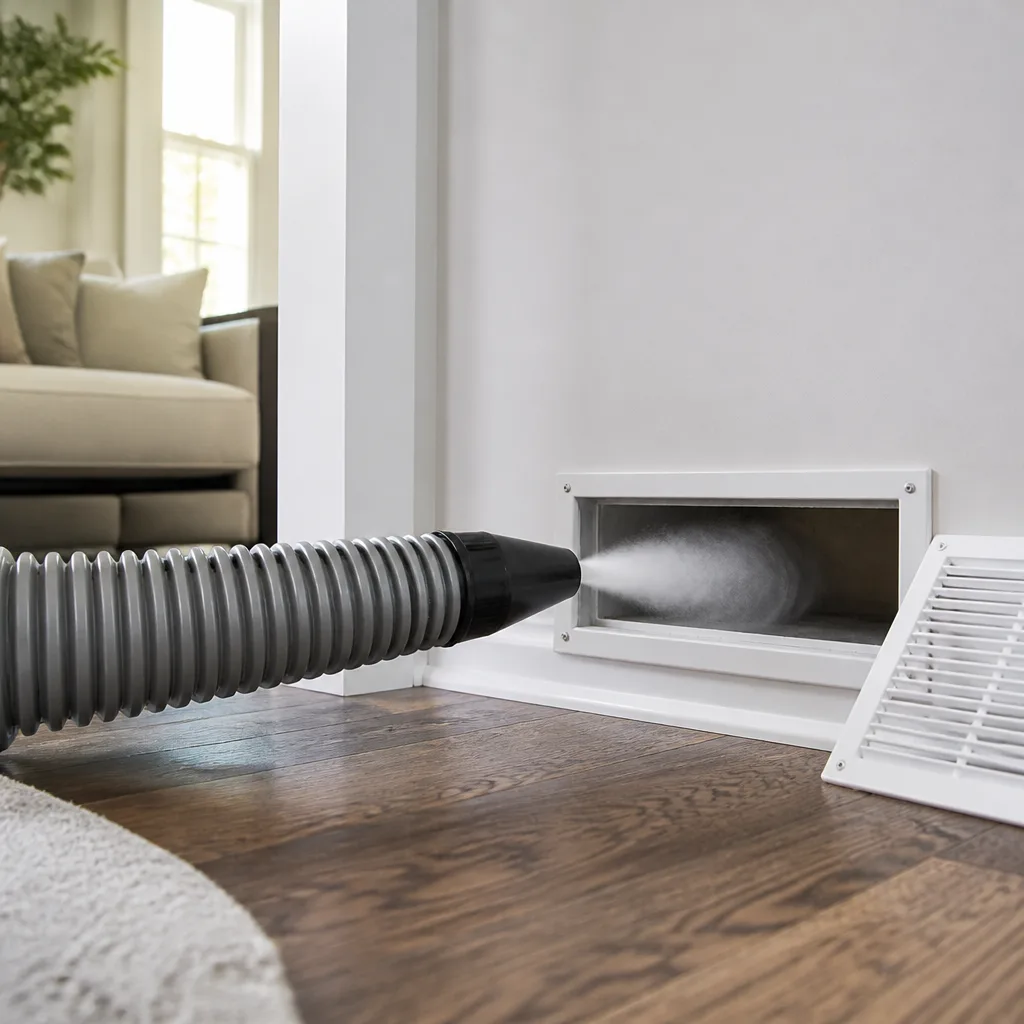 Sanitizing & deodorizing
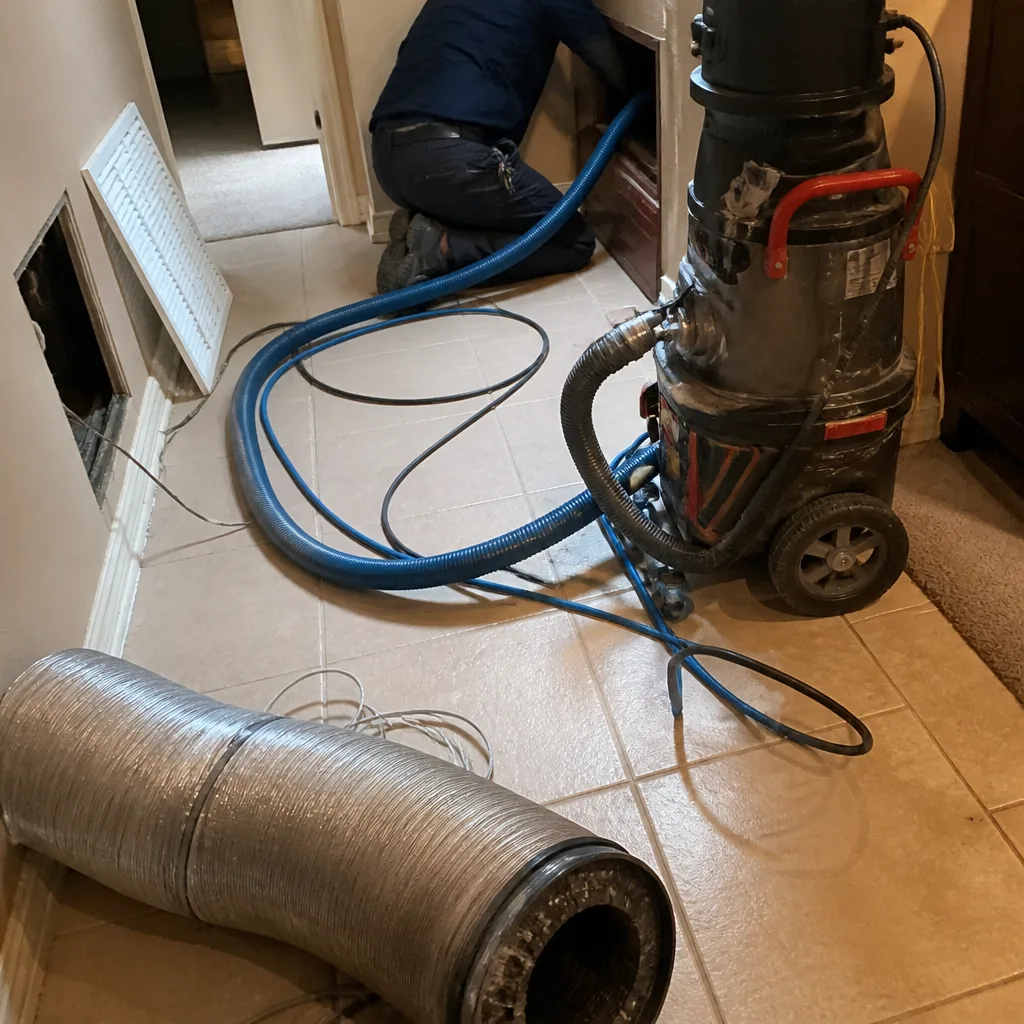
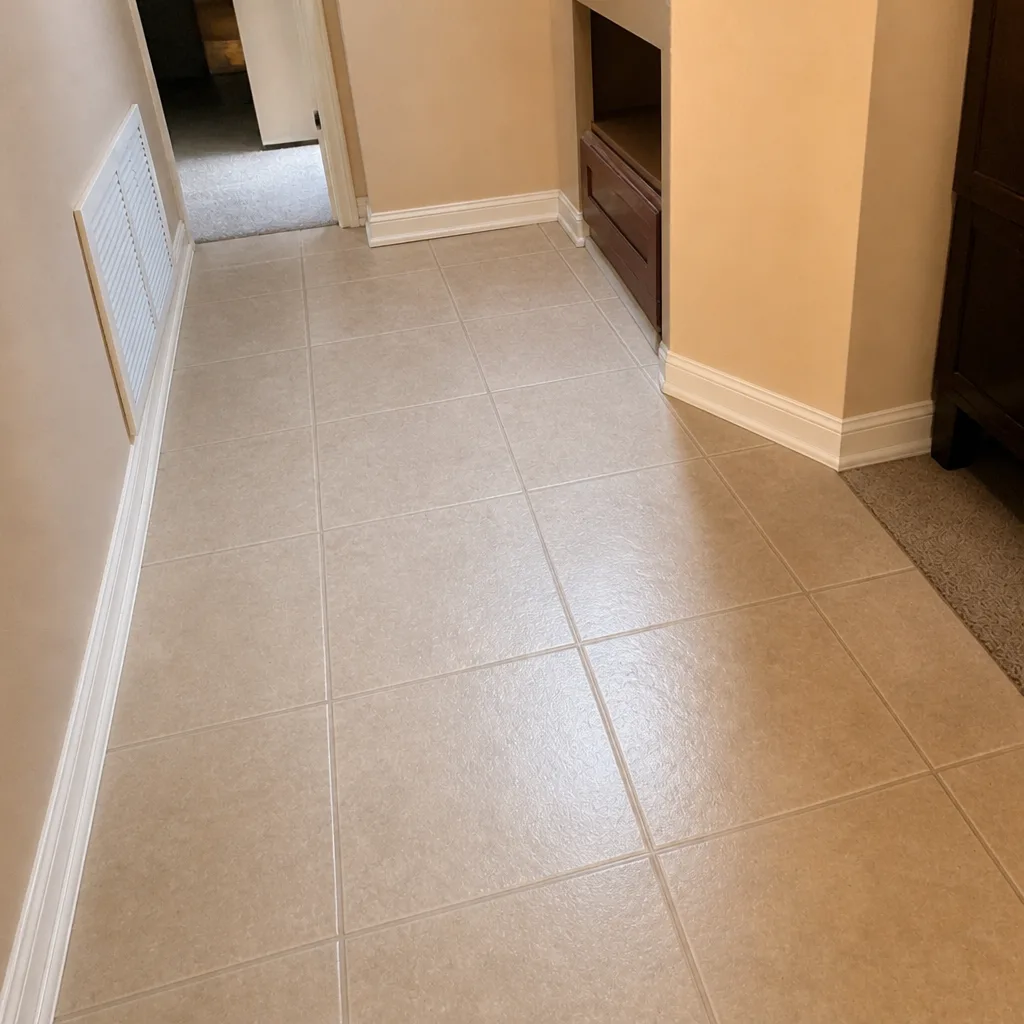
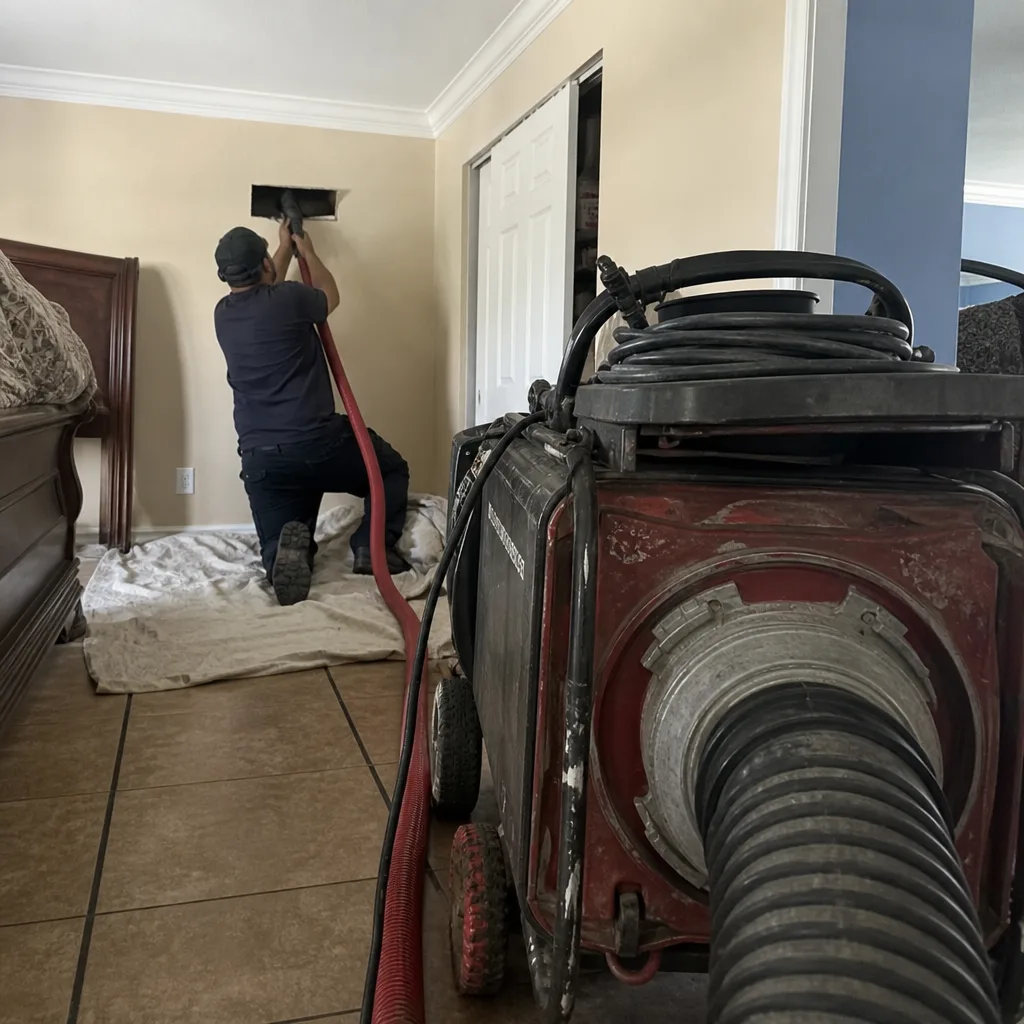
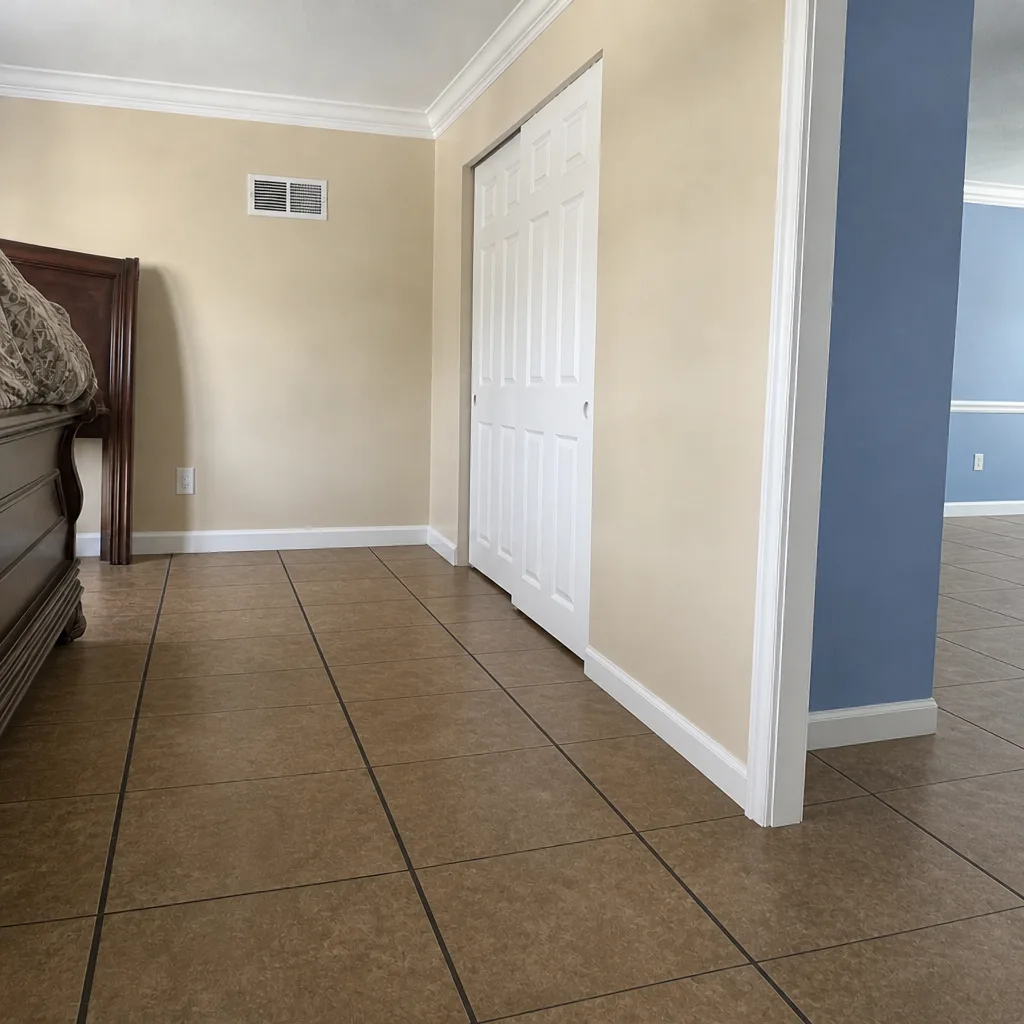
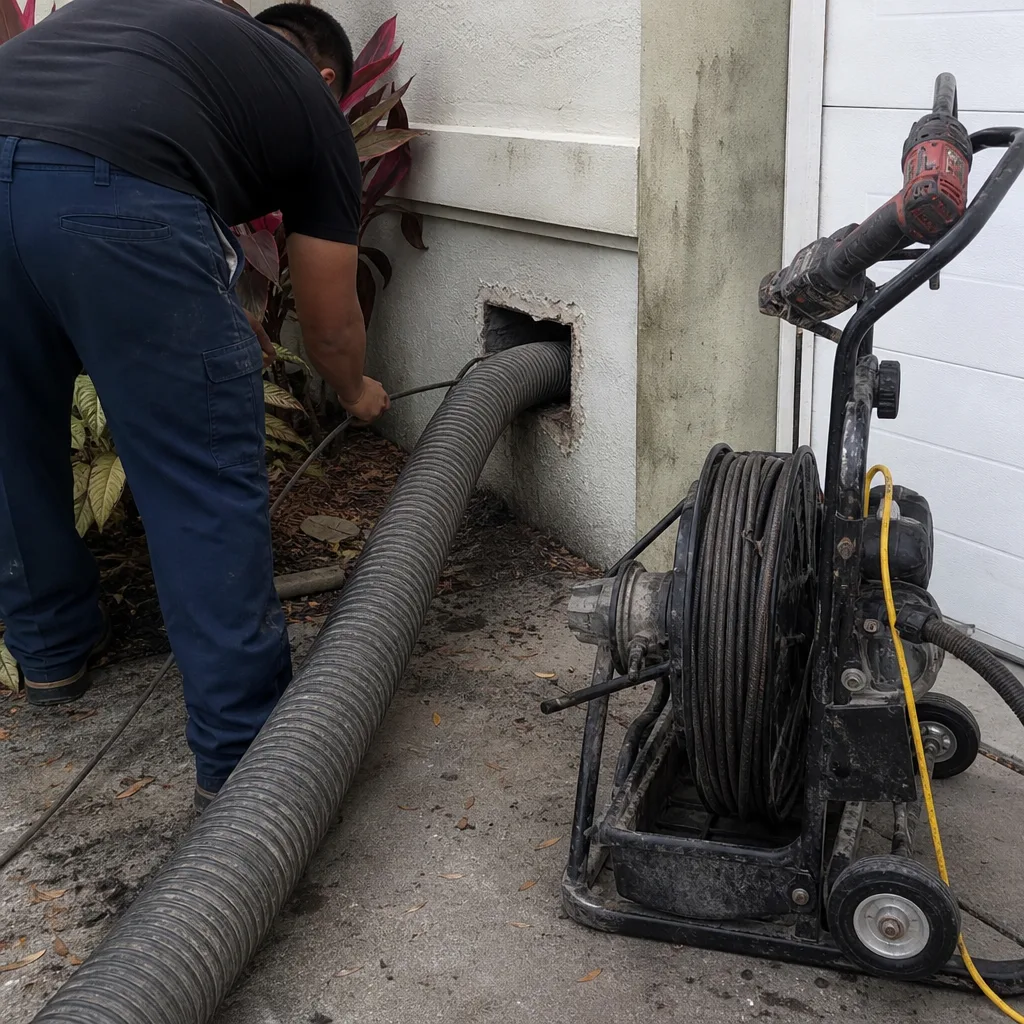
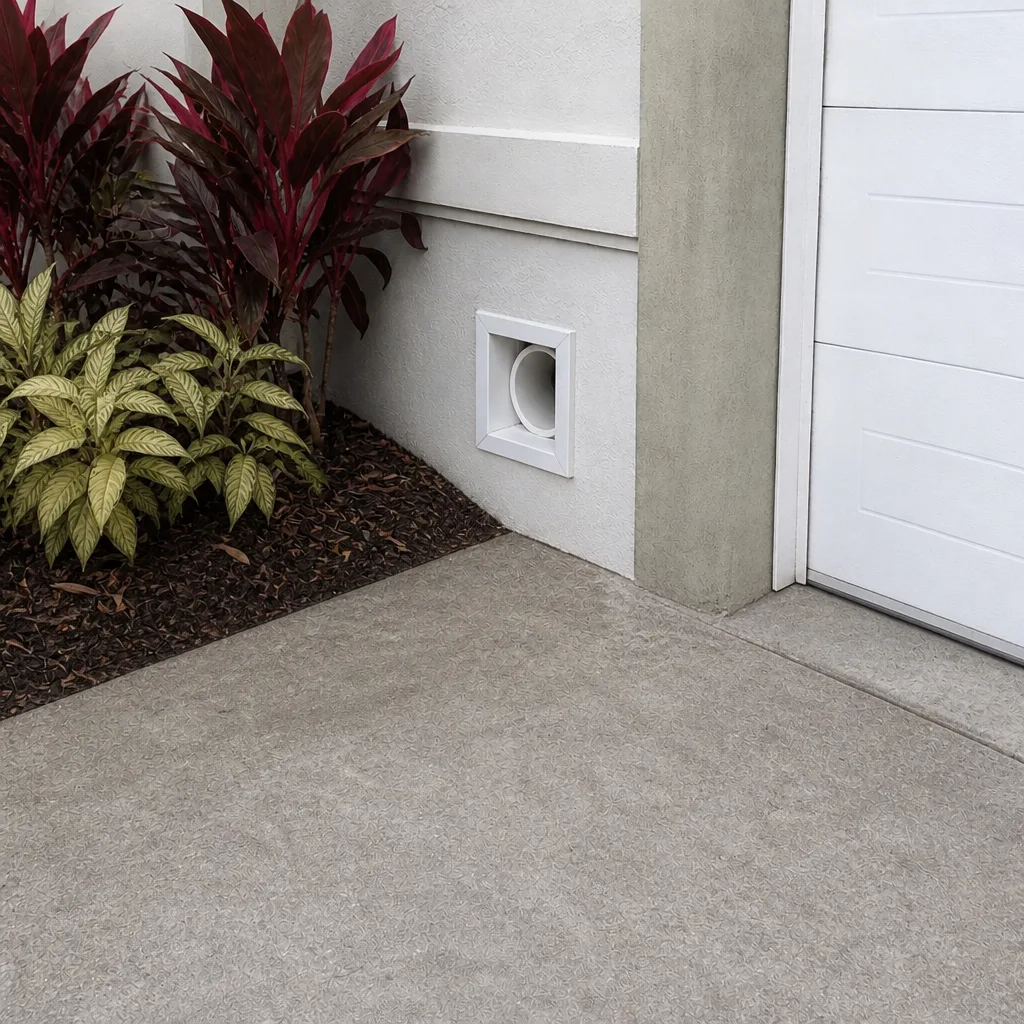
Whole-system duct and dryer vent check with before-and-after photos - you see exactly what came out of your vents
That "$99 whole-house special" is a bait ad - the real number appears once they are in your hallway, or the "clean" is a shop-vac at the register. We photograph the inside of your ducts before and after instead.
Air Duct Cleaning Emergency Preparedness Guide for Port St. Lucie Homes
Most storm prep lists tell you to board windows, fill the bathtub, and charge your phone. Almost none of them mention the one system in your house that keeps running through the whole event: the ductwork. Here’s the part that surprises people. After a storm, the indoor air quality calls we get in Port St. Lucie usually aren’t about visible mold on walls. They’re about duct systems that pulled in wind-driven rain, soaked insulation, and humid air for days before anyone thought to check them. This guide walks you through preparing your ducts before a storm, inspecting them safely afterward, and knowing when you’re looking at a cleanup or a real hazard.
Styles & brands we work with
- Whole-home duct cleaning
- Dryer vent cleaning
- Camera inspection
- Sanitizing & deodorizing
Quick Answer
To protect your duct system before a storm, seal the registers and shut the system down before the worst of it hits. After the storm, inspect the attic air handler, flex duct runs, and insulation for water intrusion before you restart anything. If you find standing water, saturated insulation, or storm debris inside the ductwork, keep the system off and get the ducts inspected and cleaned before you run the AC again. Routine cleaning is a scheduled job; contamination or water intrusion after a storm is a safety issue that gets handled differently.
Table of Contents
- Why Your Duct System Is a Storm Vulnerability in Port St. Lucie
- Pre-Storm Duct Preparation: What to Do Before Landfall
- Post-Storm Duct Inspection: The Order That Matters
- Spotting Water Intrusion in Flex Duct and Attic Air Handlers
- When Post-Storm Duct Work Counts as Storm Damage for Insurance
- Emergency Response vs. Scheduled Post-Storm Service: How to Triage
- Building a Hurricane-Season Duct Prep Routine
- Common Mistakes to Avoid
- When to Call a Professional
- Frequently Asked Questions
Why Your Duct System Is a Storm Vulnerability in Port St. Lucie
Port St. Lucie sits in a stretch of the Treasure Coast that sees serious hurricane exposure, and the housing stock here reflects it. A lot of homes are single-story with the air handler and much of the duct run in the attic, which is exactly where wind-driven rain finds its way in through soffit vents, ridge vents, and any compromised roof deck. Once moisture gets into attic ductwork, the system becomes a distribution network for humid air, not just a ventilation path.
Think about how your ducts actually work. The return side pulls air out of your living space and moves it back to the air handler. That airflow continues for hours after a storm passes if the system is still running, pulling in whatever the attic is holding: damp insulation fibers, debris blown in through gaps, and airborne moisture from a wet attic. That’s not a cosmetic problem. It’s the reason post-storm air quality issues show up as musty odors, visible dust plumes from registers, and allergy-like symptoms that start a week after the storm, not on the day of it.
Here’s what makes Port St. Lucie’s situation specific. Between hurricane season and the heavy summer rain patterns that come with it, homes here can go through a wet-dry cycle that leaves duct insulation damp in places you can’t see. That moisture doesn’t always announce itself. It just sits. And a duct system that stays damp for days is a different problem from a duct system that’s simply dusty. We treat them differently, with different equipment and a different inspection sequence.
If you’re already planning to have your ducts looked at before the season starts, the air duct cleaning service page covers what a full cleaning involves and how a system gets evaluated beforehand.
Pre-Storm Duct Preparation: What to Do Before Landfall
Pre-storm duct prep is straightforward and takes maybe half an hour if you’re organized. The goal is to reduce the chance that wind-driven rain or debris enters the system during the storm and to make sure the system isn’t running while it’s vulnerable.
- Seal the registers. Close every supply and return register and grille throughout the house. Closing the damper blades isn’t always enough on its own, so if you have plastic sheeting or a register cover you trust, use it on the ground-floor and any exterior-wall returns. The point is to close off the easiest path for wind-driven rain to enter the duct system from inside the house.
- Shut the system off before the worst of the storm arrives. Turn the thermostat to off and, if you can access it safely, switch off the air handler at its disconnect. A duct system that isn’t running can’t pull moisture and debris through itself. Turn it back on only after the inspection steps below.
- Move anything that could become debris away from return grilles and the attic access. The less loose material floating around during the storm, the less chance it ends up drawn in if the system runs unexpectedly.
- Check the attic access panel and any exterior duct penetrations. Look for gaps where flex duct runs through the ceiling or wall. Those openings are the infiltration points that matter during a wind-driven rain event.
- Photograph the attic and the air handler before the storm. A quick set of phone photos of your ductwork, insulation, and air handler cabinet gives you a “before” reference. If you file an insurance claim after the storm, having dated photos of the ducts in their dry, intact state is the kind of documentation that supports the claim.
None of this replaces proper roof prep or window protection. It just closes a gap that most storm checklists leave open. For homes in neighborhoods like Torino or Tradition where attic air handlers are common, the attic access panel and the duct penetration points are worth a second look the day before a storm.
Post-Storm Duct Inspection: The Order That Matters
This is where most people get it wrong. They come home, flip the AC back on to clear the hot, humid air, and then wonder why the house smells like a wet attic. The right sequence is inspection first, system restart second. Do not reverse that order.
Step 1: Look inside the attic before you touch the thermostat. Walk the attic if it’s safe to do so, with a good light. Look for standing water, water staining on the roof deck, sagging or waterlogged insulation, and any flex duct that looks collapsed, kinked, or visibly wet. If you see any of that, don’t restart the system yet.
Step 2: Check the air handler cabinet. Open the access panel and look for moisture inside the cabinet, water pooling in the drain pan, or droplets on the coil. A wet coil or a full drain pan is a sign that storm moisture reached the system.
Step 3: Inspect the visible duct runs. Trace each flex duct from the air handler to the register boot. Look for condensation, water staining on the outer jacket, collapsed sections, and any place the duct has separated from a boot or plenum connection. Loose connections are how debris and moisture enter the duct interior.
Step 4: Check the return path and the filter. Pull the filter and look at it. A filter that’s visibly damp or discolored after a storm is telling you something got into the return side.
Step 5: Only after all of that looks dry and intact, restart the system. Run it for a few minutes and check for musty odors, reduced airflow, or unusual sounds. If anything seems off, shut it down and get a professional involved. Running a system that has storm contamination just circulates it through the house.
Spotting Water Intrusion in Flex Duct and Attic Air Handlers
Flex duct is the most common duct type in Port St. Lucie attics, and it’s also the least forgiving when it gets wet. The outer jacket is a vapor barrier. When water gets under that jacket, the insulation inside acts like a sponge and stays wet long after the surface dries. That trapped moisture is what turns a routine post-storm cleanup into a repair job.
Here’s what to look for, and what each sign usually means:
- Water staining or discoloration on the outer jacket. Indicative of moisture that reached the duct.
- Sagging or unusually heavy flex duct sections. Often means water has soaked into the insulation; that duct section is rarely salvageable.
- Condensation on the outside of the duct during a run cycle. Tells you the vapor barrier is compromised or the insulation is saturated.
- Musty or earthy smell when the system runs. Usually the first symptom homeowners notice, and it points to moisture or biological growth inside the duct or plenum.
- Loose or separated connections at the boots and plenum. The entry point for debris and moisture in the first place.
- Visible standing water or a full drain pan at the air handler. Stop and get a trained technician out. This is the case where we’d tell you not to run the system at all.
Attic air handlers are a special case in Port St. Lucie because they sit right under the roof deck, which is exactly where storm moisture tends to accumulate. If your air handler cabinet has visible water, damaged insulation, or a compromised coil, don’t run the system. Moisture in the cabinet plus airflow is a recipe for contamination spreading through the supply ducts.
We work with Abatement Technologies negative-air equipment during post-storm service to keep dislodged contaminants from recirculating into your living space, and with Nikro HEPA-vacuum rigs to capture debris rather than just blow it around. That setup matters more after a storm than it does during routine cleaning. If you also need your dryer vent cleaning checked as part of storm prep, that’s a quick add on the same visit.
When Post-Storm Duct Work Counts as Storm Damage for Insurance
Post-storm duct cleaning sometimes qualifies as storm damage under a homeowner’s policy, and sometimes it doesn’t. The dividing line is usually whether the damage came from a covered event (wind, wind-driven rain, or flooding, depending on your policy) versus a maintenance issue that predated the storm. Cleaning a duct system that was simply dusty before the storm is maintenance. Cleaning up a duct system that took on water because a storm compromised your roof or soffit is typically a damage claim.
Here’s the documentation to collect the moment you suspect storm damage:
- Dated photos of the attic before the storm. Your pre-storm photos are the “before” reference. Keep them.
- Dated photos of the attic after the storm. Capture the water staining, wet insulation, sagging flex duct, and air handler cabinet. Get a few angles, and make sure the photos are clearly timestamped.
- Photos of the roof damage or soffit damage that let the water in. The duct damage and the roof damage are usually the same claim; the roof damage is what establishes causation.
- Any pre-storm receipts for prior duct cleaning or repair. This helps show the system was intact and functional before the storm.
- A written inspection report after the storm. A professional inspection report that lists the specific duct sections affected, the type of water intrusion found, and the recommended scope of work carries a lot more weight with an adjuster than a verbal description.
Two things are worth knowing before you file. First, we’re not insurance adjusters and we can’t tell you what your policy covers. What we can do is document what we find in writing so your adjuster has a clear picture. Second, some policies treat flooding and wind-driven rain differently, so ask your carrier what documentation they want before work starts. Getting that answer in advance makes the claim cleaner.
If you’re a property manager working through multiple units after a storm in Port St. Lucie, the documentation burden is the same per unit and worth scheduling as a single inspection route.
Emergency Response vs. Scheduled Post-Storm Service: How to Triage
Not every post-storm duct situation is an emergency. Some are urgent. The difference is whether there’s an active health or safety risk in the house right now, versus a problem that needs to be handled soon but not in the next hour. Here’s the triage we work through when a Port St. Lucie homeowner calls after a storm.
Consider it urgent (call now) if any of these are true:
- Standing water is visible in the air handler cabinet, plenum, or attic around the duct system.
- The system was running during the storm and the house now has a strong musty odor or visible dust plumes from registers.
- Any occupant has asthma, COPD, or a compromised immune system and the air quality has noticeably worsened.
- You see visible biological growth (dark staining or growth on duct surfaces) inside the ductwork.
- You’re not sure whether the system is safe to run and you don’t want to risk it.
Consider it scheduled (book it soon) if any of these are true:
- The attic stayed dry, the system wasn’t running during the storm, and you simply want a full inspection after a close call.
- There’s dust or light debris but no moisture, odor, or health concerns.
- You want documentation for an insurance file even though the ducts look fine.
- Your pre-storm duct cleaning is due and the storm was just a reminder.
For the urgent cases, the protocol is straightforward. Shut the system off at the thermostat and the air handler disconnect, keep occupants out of rooms directly served by visibly affected ducts, and get a technician out to inspect before you run the AC again. For the scheduled cases, a full cleaning evaluated by a technician is the right starting point. We clean with Rotobrush brush-contact systems and Nikro HEPA-vacuum rigs, and we can also handle air duct repair on the spot if we find separated connections or collapsed flex duct. That repair capability is what separates a duct specialist from a cleaning crew that stops at documenting the damage.
Our technicians have up to 15 years of experience with post-storm duct work in Florida homes. You can read more about our full scope on the Hometown Air Duct Cleaning main page.
Building a Hurricane-Season Duct Prep Routine
The most reliable prep is doing the important stuff before the storm is already on the radar. Here’s a routine that works for most Port St. Lucie homes.
- Before the season starts. Have your duct system professionally inspected and cleaned if it’s overdue. A clean system starts the season in a known condition, and you’ll have a baseline inspection report.
- Get your dryer vent checked around the same time. Dryer vents are a fire risk in normal times, and a storm that knocks out power or floods a laundry area makes a neglected vent more dangerous. It’s a safety service, not a maintenance chore, and it’s worth doing on the same visit as duct cleaning.
- Do a walk-through of your attic access, air handler, and visible duct runs. Note anything that looks loose or worn. Photograph everything. This is your “before” file.
- Restock storm supplies with duct prep in mind. Register covers or plastic sheeting, a good flashlight, and a phone charger are already on your list. Add them to the attic walk-through kit.
- When a storm enters the forecast. Seal registers, shut the system off, move loose items away from returns, and re-photograph the attic and air handler.
- After the storm. Inspect first, restart second. Follow the inspection sequence above.
If you live in an older Port St. Lucie neighborhood where the homes have been through multiple storm seasons, this routine isn’t just about the next storm. It’s about catching the wear that multiple close calls have already caused. Flex duct that’s been dampened and dried repeatedly doesn’t fully recover its insulation value, and vapor barriers that have been compromised once tend to stay compromised.
You can read more about the local area on the Port St. Lucie page.
Common Mistakes to Avoid
- Restarting the AC before inspecting the attic. Running a system right after a storm pulls moisture and debris through the entire duct run. Inspect first, restart second. Always.
- Assuming a musty smell will clear on its own. It usually won’t. Musty odors after a storm are a sign that moisture got into the duct system, and running the system just moves that moisture around. It needs to be addressed, not aired out.
- Skipping register sealing before the storm. This is the single easiest thing you can do to keep wind-driven rain out of the system. It takes a few minutes, and skipping it is the most common mistake we see.
- Treating a duct cleaning coupon as storm response. A blow-out cleaning isn’t the same as post-storm contamination cleanup. If water or debris entered your ducts during the storm, you need a different protocol with containment equipment, not a quick pass.
- Not documenting the “before.” Photos of the attic and air handler before the storm, and of the storm damage afterward, are what make a storm damage claim straightforward. Skip the photos and you’re relying on memory and a verbal description of what used to be there.
- Hiring a crew that only cleans. If the storm damaged your duct connections or collapsed flex duct runs, a cleaning-only crew can’t fix them. You’ll end up paying for a second visit to get the actual repair done.
- Trying to handle contaminated ductwork as a DIY job. Hard-to-reach duct interiors, damp insulation, and any visible biological growth are the point where a trained professional with proper containment equipment should take over. It’s a health and safety issue, not a weekend project.
When to Call a Professional
Call a professional duct team when any of these are true: you found standing water in the air handler or plenum, the ducts took on water and the system ran during the storm, you see visible biological growth inside the ductwork, or the dust and odor after the storm don’t clear. Also call if you’re not sure what you’re looking at. A professional inspection with documentation takes the guesswork out, and it’s more valuable after a storm than during regular maintenance because you’re establishing a record.
Hometown Air Duct Cleaning offers free estimates in Port St. Lucie. Call (866) 502-9547. We answer 24/7. Fast dispatch from 7am to 7pm, Sunday through Friday. We clean with Rotobrush and Nikro equipment, contain with Abatement Technologies negative-air rigs, and repair ductwork we find damaged. One team, one visit, and a written scope before any work starts.
Frequently Asked Questions
You should inspect them yourself before you restart the AC, and call for a professional inspection within a few days if you find any water, debris, or musty odor. The important rule is inspect first and restart second. If the system stayed dry and never ran during the storm, you can schedule a professional inspection on a normal timeline. If you’re not sure, it’s always fine to shut the system off and call. Call (866) 502-9547 for an exact quote and to book an inspection.
Sometimes, yes. If storm winds or wind-driven rain damaged your roof, soffit, or ductwork and contaminated the system, that’s typically a storm damage claim under a homeowner’s policy. Routine cleaning of ducts that were simply dusty is maintenance, not damage. The documentation is what matters: pre-storm photos of the attic and ducts, post-storm photos of the intrusion and damage, and a written inspection report from a professional. Call (866) 502-9547 for an inspection and written scope you can hand to your adjuster.
Only after you’ve done a full inspection of the attic air handler, visible duct runs, and filter, and only if everything looks dry and intact. If you skipped the attic check and just want cold air back, don’t. A musty smell, reduced airflow, or visible moisture anywhere in the system means keep it off and get it inspected. Call (866) 502-9547 if you want a professional to look before you restart.
Emergency response is for situations with an active health or safety risk: standing water in the system, visible biological growth, strong odor with the system running during a storm, or occupants with respiratory conditions who are already affected. Scheduled service covers everything else, including storm-damaged ducts that aren’t an immediate hazard. Either way, the pricing is set per job by a written estimate. Call (866) 502-9547 for a free estimate.
Yes, it’s worth checking. A dryer vent that’s already partly blocked becomes a more serious fire risk after a storm if any debris got in. It’s a quick add-on during the same visit as duct work, and it’s a genuine safety service, not a maintenance nice-to-have. Call (866) 502-9547 to add dryer vent cleaning to your appointment.
Most homes need duct cleaning every few years under normal conditions, sooner if you have pets, allergies, or recent renovation dust. After a storm with water intrusion, the duct system gets inspected and cleaned on the post-storm timeline regardless of when it was last serviced. A visual inspection annually is a good habit on the Treasure Coast. Call (866) 502-9547 for an honest assessment of where your system stands.
The Bottom Line
Storm prep starts long before the forecast turns and ends with a proper inspection, not a restart. Seal the registers and shut the system down before the worst of it, check the attic and air handler before you run the AC again, and document everything with dated photos. If water intrusion or contamination turns up, treat it as a safety issue and get the system evaluated before you run it. A duct system that was clean and dry going into the storm is one less thing to worry about afterward. So is knowing where to call.
If you want a post-storm inspection, a full cleaning, or a repair schedule in Port St. Lucie, call (866) 502-9547 for a free estimate. We answer 24/7. Fast dispatch from 7am to 7pm, Sunday through Friday. One flat price per system agreed before any work starts, before-and-after photos of your ducts, and repair done by the same team that cleans them.
Written by the team at Hometown Air Duct Cleaning.
See the difference
 Before
 After
 Before
 After
 Before
 After