
Last updated November 16, 2026
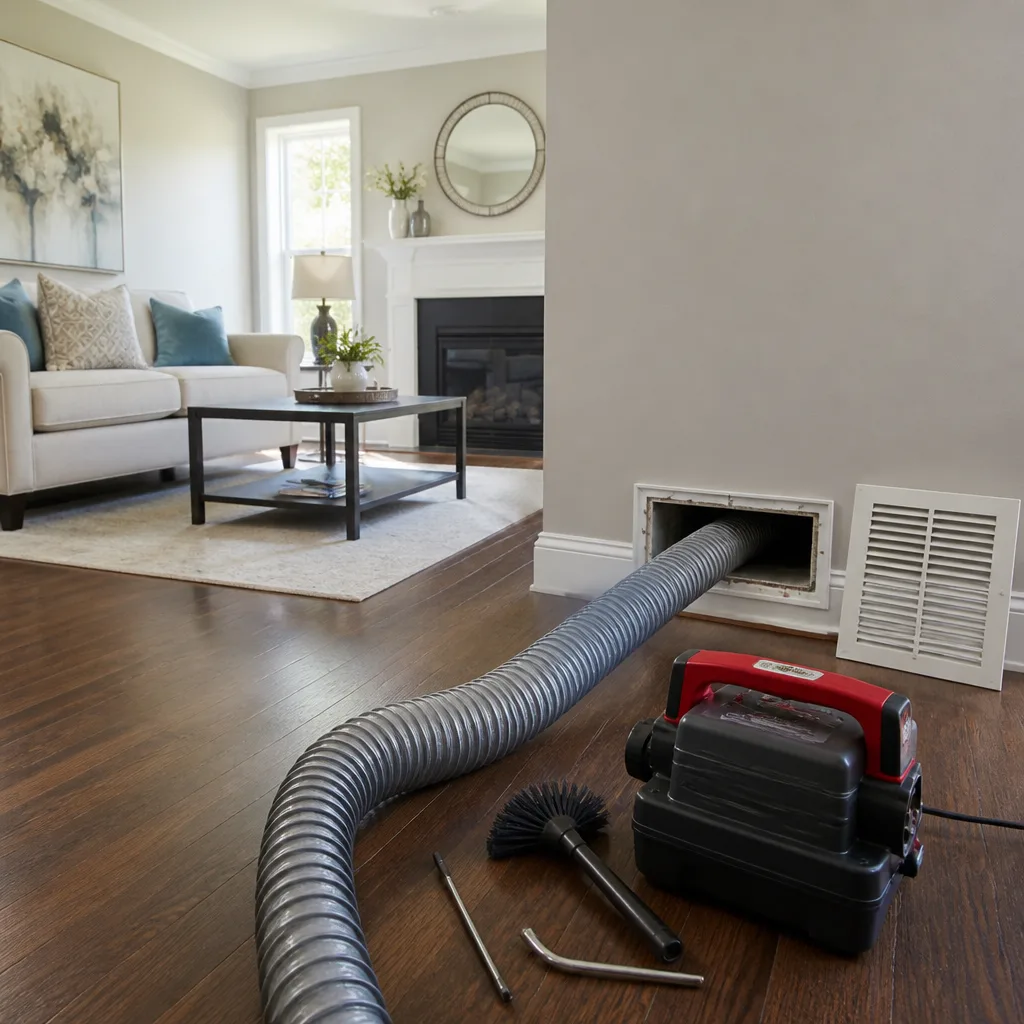 Whole-home duct cleaning
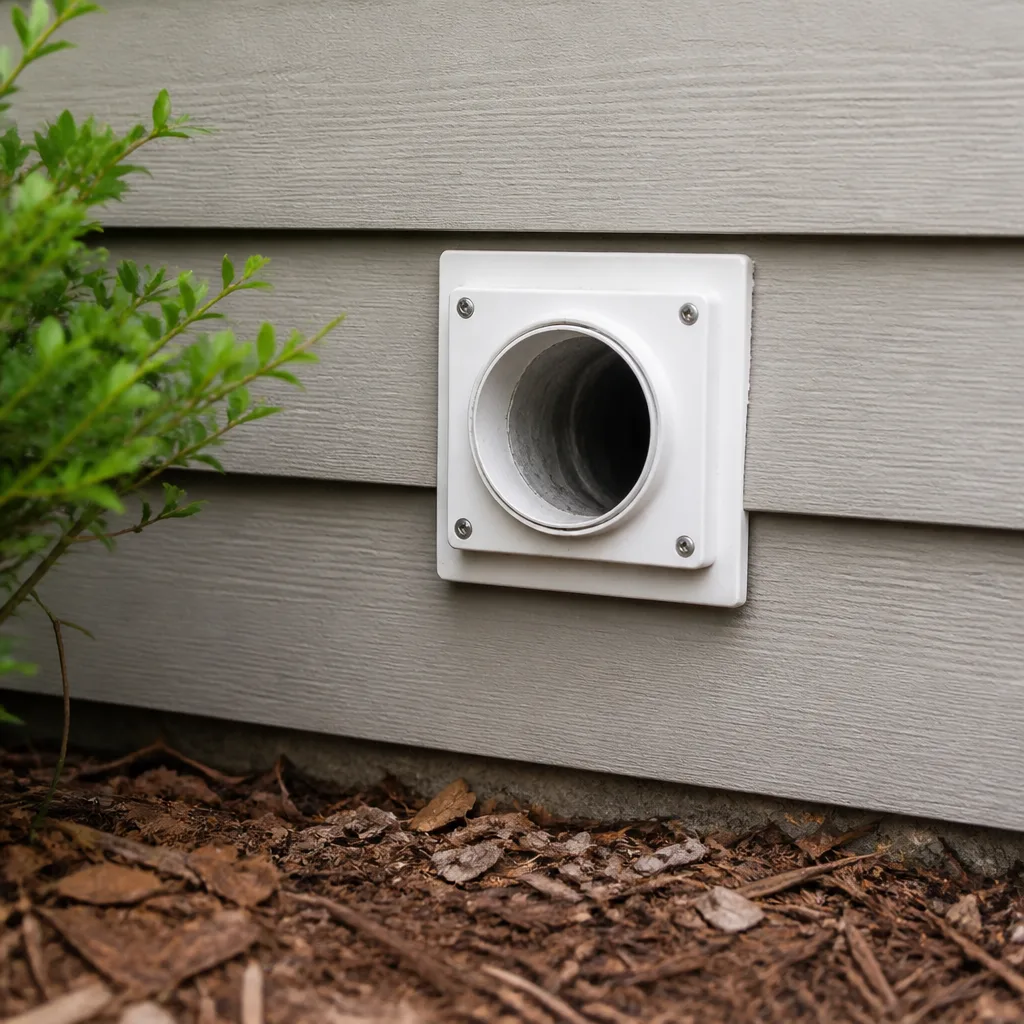 Dryer vent cleaning
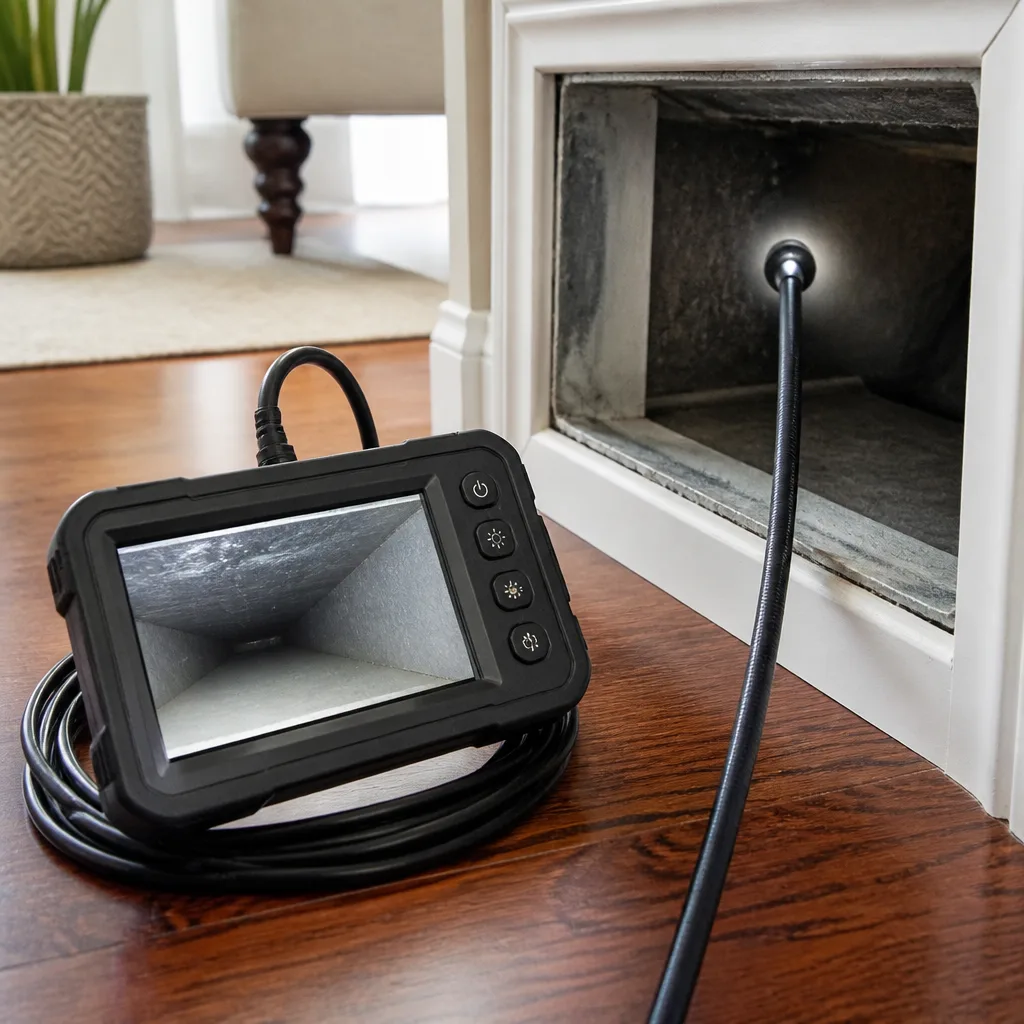 Camera inspection
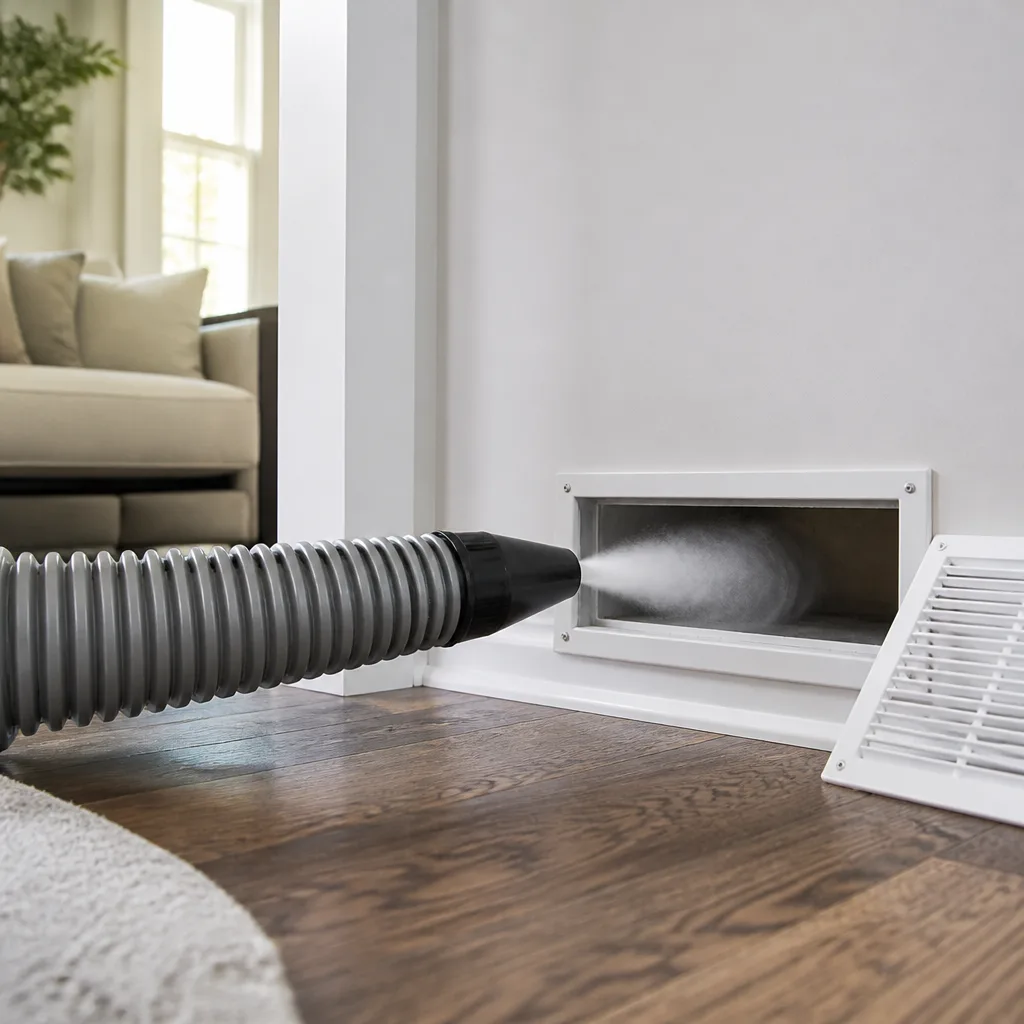 Sanitizing & deodorizing
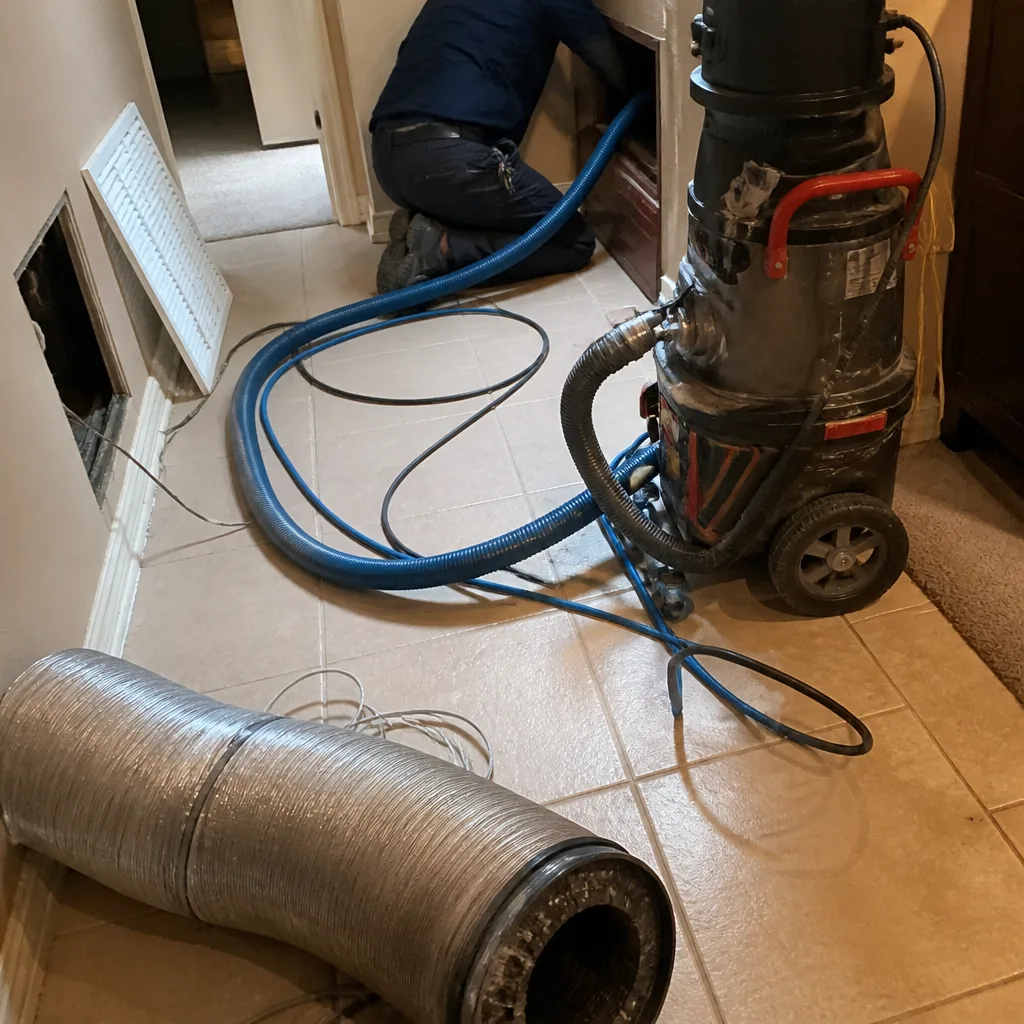
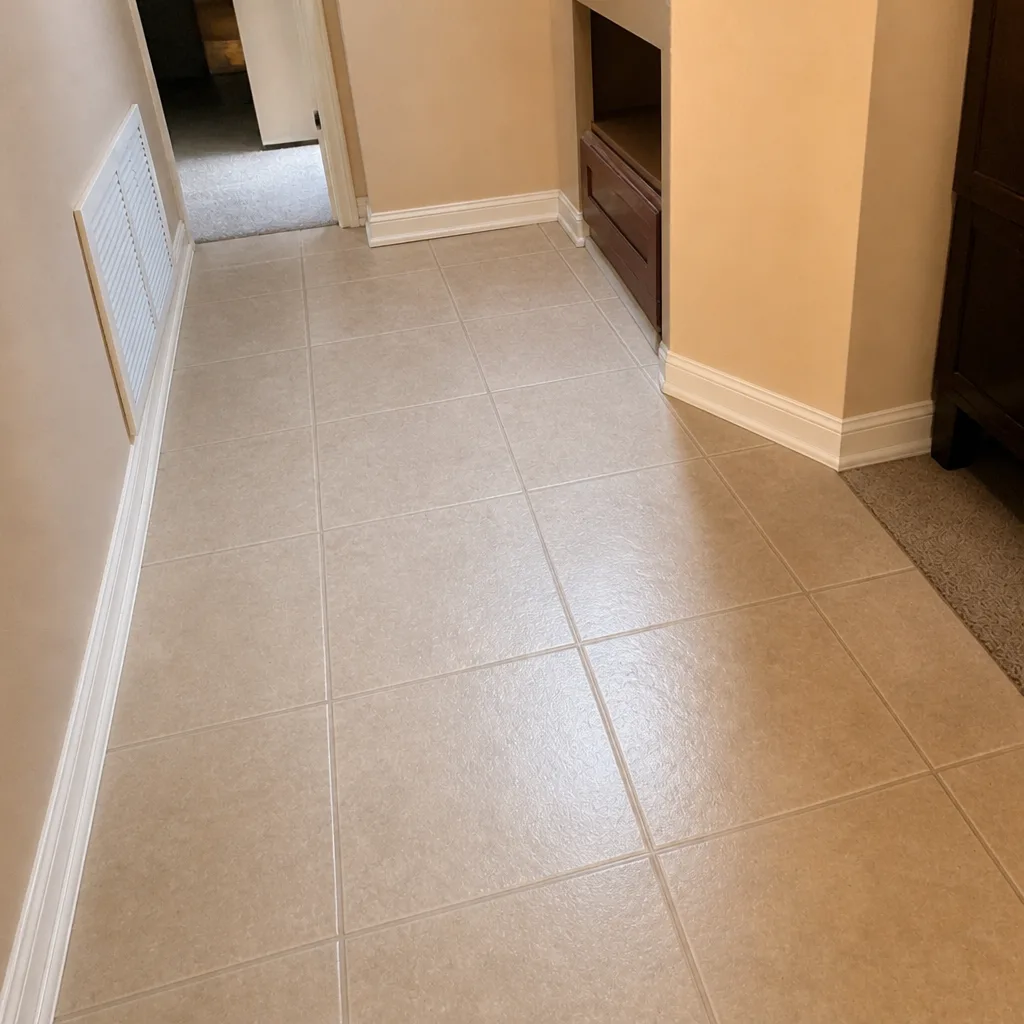
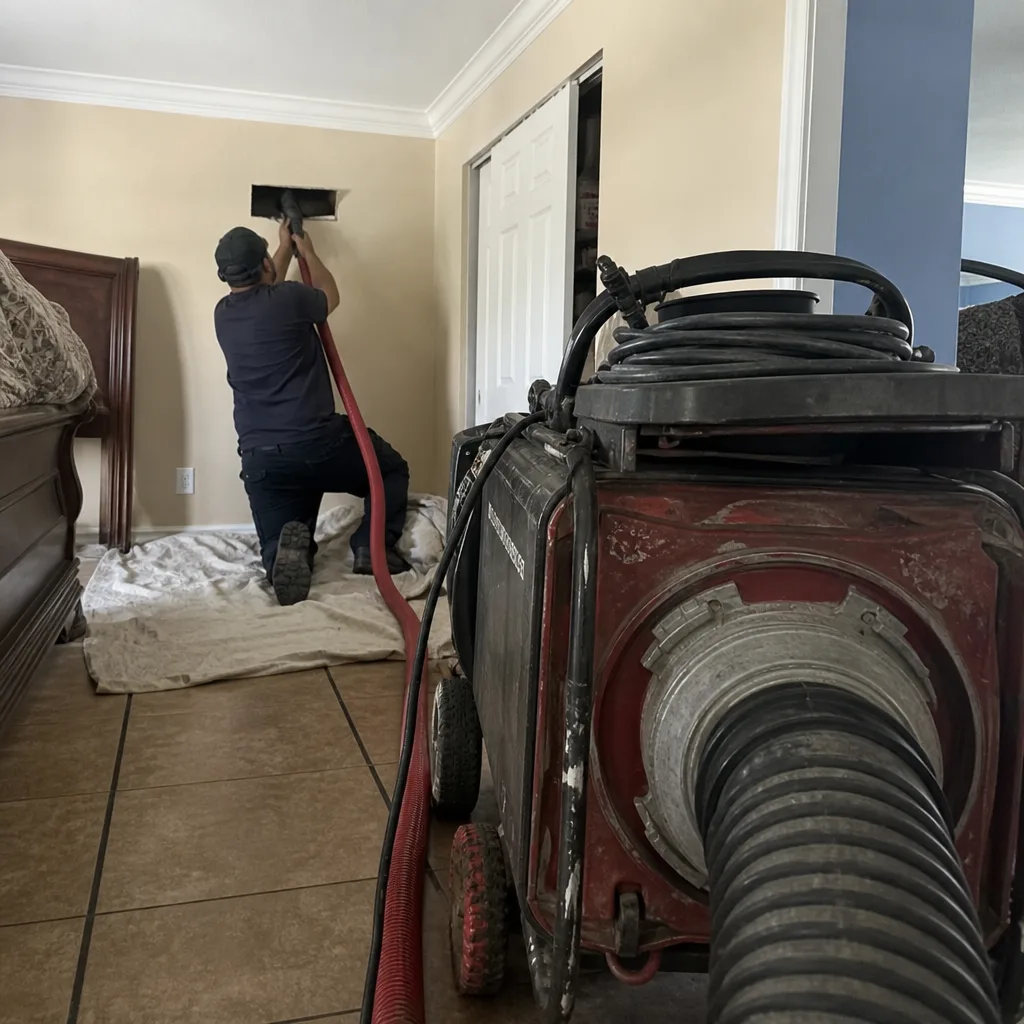
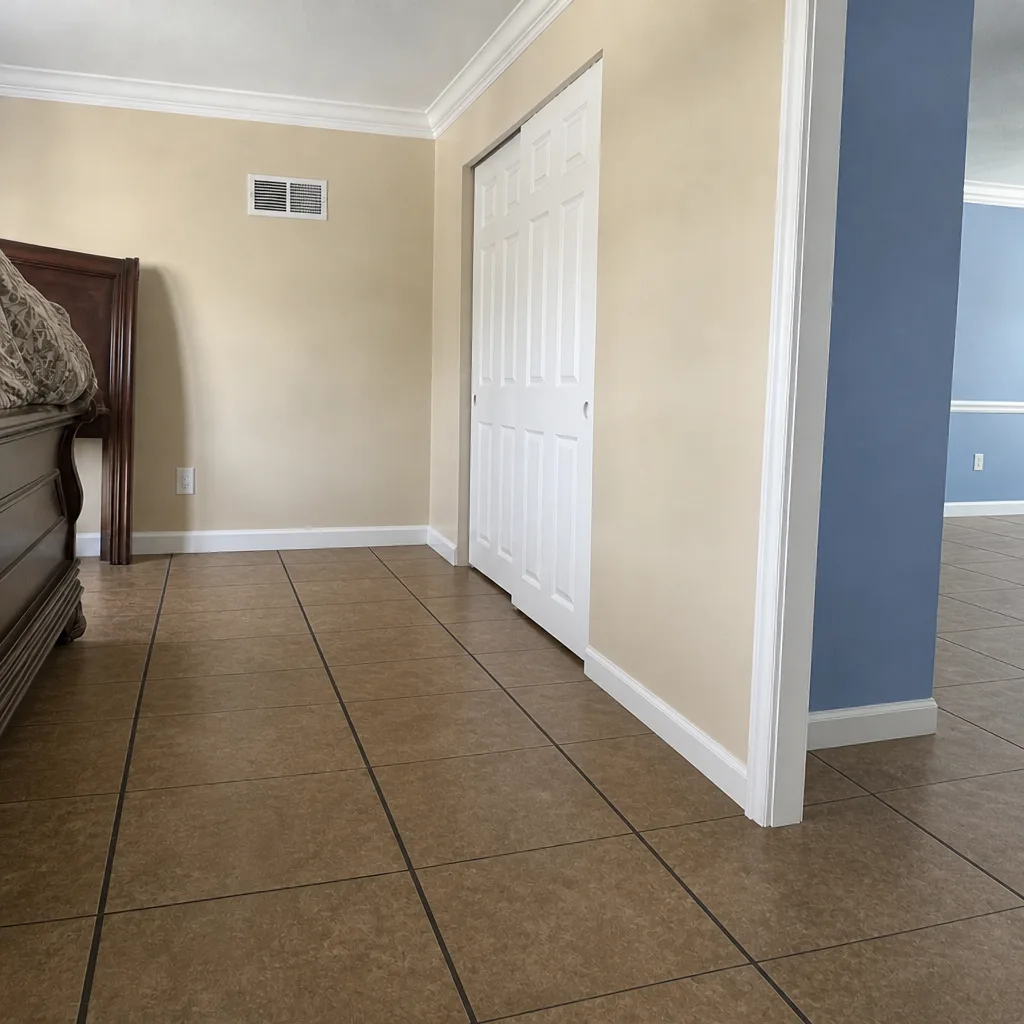
Whole-system duct and dryer vent check with before-and-after photos - you see exactly what came out of your vents
That "$99 whole-house special" is a bait ad - the real number appears once they are in your hallway, or the "clean" is a shop-vac at the register. We photograph the inside of your ducts before and after instead.
How to Hire an Air Duct Cleaning Contractor in Port St. Lucie: A Step-by-Step Guide
Florida does not require a specialty license to offer air duct cleaning. That single fact changes everything about how you should shop for this service. Anyone with a van, a shop vac and a printed coupon can legally knock on your door in Port St. Lucie and take your money, and the companies that cycle through neighborhoods with $49 teaser offers know most homeowners assume some state board is checking. No such board exists for duct cleaning in Florida.
That means the vetting process is entirely on you. This guide walks through it in order: the credentials that actually mean something, the equipment questions that separate real source removal from a vacuum pass, how to read a quote line by line, and the review red flags specific to this trade. By the end you’ll know exactly what to ask before you sign anything in Port St. Lucie.
Styles & brands we work with
- Whole-home duct cleaning
- Dryer vent cleaning
- Camera inspection
- Sanitizing & deodorizing
Quick Answer
To hire an air duct cleaning contractor in Port St. Lucie, verify what equipment they use (a brush-contact system plus a HEPA vacuum and negative-air containment, not just a blower), ask whether they comply with the NADCA ACR standard for source removal, get a written whole-system quote with line items, and check that they can repair damaged ducts rather than only clean them. Because Florida doesn’t license this trade, those four checks do more vetting than any credential on a business card. Expect an estimate to be free and the final price to be set per job in writing before work starts.
Table of Contents
- Why Florida’s Licensing Gap Changes How You Hire
- What NADCA Membership and ACR Compliance Actually Mean
- The Equipment Questions That Reveal a Real Duct Cleaner
- How to Read a Duct Cleaning Quote Line by Line
- Why a Duct Specialist Is Structurally Different From an HVAC Add-On
- Red Flags in Online Reviews for This Service
- What a Proper Cleaning Visit Should Look Like
- The Dryer Vent Question Most Homeowners Forget
- Common Mistakes to Avoid
- When to Call a Professional
- Frequently Asked Questions
- The Bottom Line
Why Florida’s Licensing Gap Changes How You Hire
In most trades, the state does a first round of vetting for you. Plumbing and electrical work in Florida require licenses, and pulling a permit means an inspector eventually looks at the work. Air duct cleaning sits outside that system. There’s no specialty license required to advertise duct cleaning, no state exam, no minimum equipment standard, and no inspection of the finished job.
What that produces in a market like Port St. Lucie is a wide quality spread. On one end you have companies running professional-grade equipment and following recognized industry standards. On the other end you have operators whose entire setup is a shop vac, a length of hose, and a coupon. Both can hand you a receipt. Only one removes the debris that’s actually clinging to your duct walls.
The practical consequence for you is this: every check you’d normally skip because “the state handles it,” you now have to run yourself. That’s the whole reason this guide is structured as a sequence of questions rather than a list of credentials to look for. A contractor who can answer the equipment questions in the next sections clearly and specifically is likely legitimate. One who gets vague, changes the subject to price, or promises to “sanitize” everything without describing how they’ll capture the debris is telling you what you need to know.
One more local wrinkle. Port St. Lucie has grown fast, and a lot of the housing stock is newer construction. Newer homes here still accumulate dust, construction debris, and the fine particulate that comes with living in a warm, humid climate where the system runs most of the year. A home being newer doesn’t mean the ducts are clean. It often means nobody has looked inside them since the house was built.
What NADCA Membership and ACR Compliance Actually Mean
You’ll see the letters NADCA on duct cleaning websites, and they’re worth understanding. NADCA is the National Air Duct Cleaners Association, the trade body that publishes the industry’s recognized standard for how this work should be done. The relevant document is the ACR standard, which stands for Assessment, Cleaning and Restoration. It’s the industry’s accepted definition of what “source removal” means: physically agitating the debris off the duct surfaces and capturing it, rather than blowing air through the system and calling it clean.
A company that cites NADCA membership or ACR compliance should be able to answer follow-up questions without hesitation. Here’s what to ask:
- Which standard do you follow? A real answer names the ACR standard and describes source removal in plain terms. A vague answer like “we follow all industry guidelines” is a dodge.
- Can you describe the assessment step? The “A” in ACR means the technician inspects before cleaning, and can tell you what condition the ducts are in, whether there’s damage, and whether the system even needs cleaning yet.
- Do you document before and after? Before-and-after photos of your own ducts are the single easiest way to confirm the work happened and to see what was actually removed.
- What about the “R”? Restoration means repairing what the cleaning turns up – disconnected sections, crushed flex runs, torn insulation. A company that stops at documenting damage and hands you a list of problems to fix elsewhere isn’t following the full standard.
Membership alone isn’t a guarantee of quality. Plenty of careful operators aren’t members, and the badge on a website tells you less than a straight answer to the equipment questions below. But if a contractor names the ACR standard, they’ve told you they know what the industry considers correct. If they can’t describe it, that’s a signal.
The Equipment Questions That Reveal a Real Duct Cleaner
This is the section that separates a real duct cleaning company from a coupon operation, and it’s the part most homeowners never ask about. Proper source removal needs two things working together: a tool that physically agitates the debris off the duct walls, and a powerful vacuum with filtration that captures that debris so it doesn’t end up recirculating into your living room.
Ask these questions. The answers are specific and hard to fake:
- What brush system do you use? Professional operations run brush-contact systems that make direct contact with the duct surfaces. Rotobrush is the most widely recognized name in the category – a rotating brush that scours the duct wall while a vacuum pulls the loosened debris away. If the answer is “a vacuum hose,” you’ve learned the whole story.
- What’s the vacuum, and does it have HEPA filtration? Nikro HEPA vacuum equipment is a common professional-grade answer. HEPA filtration captures the fine particulate – dust, dander, mold spores – that a standard shop vac blows straight back into the air.
- Do you use negative-pressure containment? This is the question almost nobody asks and the one that matters most. Negative-air machines, the kind Abatement Technologies makes for remediation-level work, hold the working area under negative pressure so dislodged contaminants get pulled out rather than drifting into the rest of the house. A company that can explain negative pressure in plain terms is equipped for real work.
- What CFM does the vacuum put out? Higher airflow through the duct means better capture. A contractor who knows their machine’s rating is a contractor who bought it for the job, not the coupon.
- Can you show me the containment setup before you start? A crew that sets up containment visibly and walks you through it isn’t hiding anything.
In our experience in Port St. Lucie, the equipment conversation is the fastest read on a company. The operators who invested in Rotobrush and Nikro systems and Abatement containment rigs tend to talk about the process in detail, because the equipment is the process. The ones who can’t describe their vacuum’s filtration have usually told you everything.
How to Read a Duct Cleaning Quote Line by Line
A duct cleaning quote has two jobs: tell you what work is being done, and tell you what it costs before anyone starts. A quote that does neither is a setup for a bait-and-switch. The industry’s reputation problem exists because the low coupon price on the mailer so often becomes a much larger invoice once the technician is standing in your hallway.
Read the quote for these elements. Compare against the table below for what belongs on a legitimate estimate versus what’s an upsell trigger.
- One flat price per system. The correct structure is a single price for cleaning the whole duct system, agreed before work starts. Be wary of per-vent pricing, which balloons the moment a technician counts intakes and returns.
- Number of systems, stated in writing. A home with two air handlers is two systems. The quote should say so clearly, not leave it to be “discovered” on site.
- Separate line for dryer vent. Dryer vent cleaning is a distinct fire-safety service and should be quoted as its own item, not bundled silently into the duct price.
- Separate line for repair, if found. Repairs discovered during cleaning should come with their own written scope and price before anyone touches them. A legitimate company quotes the repair, gets your approval, then does it.
What an upsell trigger looks like: a price so low it can’t cover labor and equipment (“$49 whole house”), a “sanitizing” add-on pushed before the assessment even happens, an “air quality test” that’s really a sales script, or a demand for a signature before the technician has seen the system. Honest pricing is per job by written estimate, and the written estimate sets the final price.
Where does price normally land? We’re not going to quote a per-vent number, because that’s the structure that causes trouble. Whole-system cleaning in a Port St. Lucie home is priced per job based on the number of systems, the length and layout of the duct run, and the condition found during assessment. Ask for the written estimate and compare it line by line. A free estimate is standard.
Why a Duct Specialist Is Structurally Different From an HVAC Add-On
Two kinds of company sell duct cleaning, and they aren’t the same business even when the service name is identical. One is a duct specialist whose entire operation is built around cleaning, repairing and maintaining duct systems. The other is a general HVAC company that offers cleaning as an add-on between service calls.
The difference isn’t about character. It’s about incentives and equipment investment. A specialist puts its capital into duct-specific gear – brush systems, HEPA rigs, negative-air containment – because that’s the business. An HVAC company puts its capital into service vans, refrigerant tools and installation crews. Duct cleaning, for them, is a revenue line that has to justify itself with the fastest possible visit. Sometimes that means a real cleaning. Sometimes it means a blower pass and a receipt.
Watch for these tells when you talk to a generalist:
- The cleaning is priced by vent count rather than by system.
- The technician can’t describe brush-contact cleaning or negative pressure.
- There’s no path to repair. A specialist repairs what the cleaning turns up; a generalist hands you a document and refers you out.
- The visit is scheduled around HVAC tune-ups rather than dedicated to the ducts.
None of this means every HVAC company does bad cleaning. It means the question “is this your core business?” is a fair one, and the answer shows in the equipment list. Here in Port St. Lucie, where a lot of homes have one or two systems and the climate keeps the air handler running through most of the year, a company that lives and breathes ducts will have better answers and a more complete scope.
Red Flags in Online Reviews for This Service
Review reading is a skill, and for this trade the skill is almost inverted. Five-star reviews that say “great job, very professional, would use again” tell you essentially nothing. The reviews worth reading are the ones that describe the actual process, because a homeowner who can name the equipment or the containment setup either watched the work carefully or was told what was happening.
Read for these signals:
- Process detail is a good sign. “They set up containment before starting and showed me before-and-after photos” tells you the company does real source removal. “They cleaned everything up” tells you the crew had a broom.
- Vague praise is neutral. “Amazing service, highly recommend” could be real, but it could be a favor. It’s not evidence either way.
- Price-surprise complaints are the loudest red flag. Search any review set for words like “quote,” “invoice,” “upsell” and “more than I expected.” A company with a pattern of on-site price jumps is doing exactly what you’re trying to avoid. One bad experience is possible; a pattern is the business model.
- The “documented but didn’t fix” complaint. A reviewer who says “they found mold but didn’t clean it” or “they said the duct was damaged and left” is describing a company that stops at assessment. That’s a structural limit, and it’ll apply to your visit too.
- Response quality matters. A company that replies to criticism with a specific, non-defensive answer is engaging. A company that replies with a generic template, or argues, is telling you how they handle problems.
Look at reviews specific to duct work, not the company’s HVAC or install reviews. Only the duct-cleaning reviews describe the service you’re actually buying, and they’re where the process detail and the price-surprise complaints both live.
What a Proper Cleaning Visit Should Look Like
Knowing what to expect from the visit is your last line of defense against a company that cuts corners. A proper cleaning has a recognizable sequence, and a crew that skips steps or rushes through the setup has a shortcut somewhere.
- Assessment first. Before any equipment goes in, the technician inspects the system, confirms the number of systems, and looks for damage, disconnections or debris problems. If the assessment finds the ducts are already clean, an honest company says so.
- Containment setup. Vent covers go on, the working area goes under negative pressure, and the vacuum rig gets connected to the system. This is the step almost every shortcut operation skips.
- Brush-contact cleaning. The rotating brush runs through the duct runs, agitating debris off the walls, while the vacuum captures it. The technician works run by run, supply and return, into the air handler.
- Dryer vent review. Separately, the technician looks at the dryer vent, which is the most fire-relevant part of the whole system and gets forgotten by most homeowners.
- Before-and-after documentation. Photos of the same duct runs before and after cleaning. You should see them and keep them.
- Repair findings and a written scope. If brushing turned up crushed flex, disconnected joints, or torn insulation, that becomes a written repair scope with a price – never a verbal “we should probably fix that” while the technician stands at the door.
In our experience, the total time on site runs a couple of hours for a typical single-system home, depending on how the ducts are laid out and how much is found. That’s about what it costs to do the job properly.
The Dryer Vent Question Most Homeowners Forget
Duct cleaning and dryer vent cleaning are two jobs, and homeowners often hire for the first and ignore the second. The dryer vent is the one part of the duct system directly tied to fire risk – lint accumulation restricts airflow, and restricted airflow is the condition that turns a small heat problem into a bigger one. It’s the reason dryer vent service is a fire-safety job first and a maintenance chore second.
Ask any duct cleaning company two things about their dryer vent work:
- Do they clean it during the same visit, and is it quoted as a separate line on the estimate?
- How do they verify the vent is actually clear at the end – airflow measurement, or a visual check of the run?
You can check your own dryer vent between professional visits without any tools or risk. Run the dryer on a normal load and step outside to the exterior vent flap. It should open with steady airflow and push out warm, damp air. If the flap barely moves, or if a load now takes noticeably longer to dry, the run is likely restricted. That’s not a job to push through by turning up the heat – restricted airflow with a running dryer is exactly the condition to get checked.
A duct specialist who cleans, repairs and handles dryer vents under one roof is doing all three because they share a system and a set of tools, not because it’s an upsell. In the Port St. Lucie climate, where the air handler runs most of the year and the dryer runs hard in a humid house, the dryer vent deserves a proactive look at least as often as the air ducts do.
Common Mistakes to Avoid
- Buying on the coupon price alone. The coupon price is a customer-acquisition tool, and it’s the reason this industry has an upsell reputation. Look at the equipment and the process first, and treat the cheapest quote as the one most likely to change mid-job.
- Assuming Florida regulates the trade. There’s no specialty license required to offer duct cleaning here, so “fully licensed” means little in this category. Ask about equipment and standard compliance instead – that’s the real vetting.
- Not asking whether they can repair. Half the value of a real cleaning is finding the crushed flex, disconnected joints and torn insulation that a cheap operation never looks for. A company that only cleans leaves you with a list of problems and no path to fix them.
- Skipping the dryer vent. Most homeowners clean the air ducts and forget the dryer vent entirely, even though the vent is the fire-relevant part of the system. Quote it as its own line and get it done.
- Skipping before-and-after photos. Without photos of your own ducts, you have no way to know what was actually removed. Ask for them up front – a company that does real source removal will have them anyway.
- Reading only the star rating. Review counts and star averages tell you almost nothing for this trade. Read the reviews that describe process, containment, equipment or a price surprise. That’s where the useful evidence lives.
- Assuming newer construction means clean ducts. Homes built recently in Port St. Lucie still carry construction dust and debris in the duct runs, and many have never been inspected since the house was finished. Newer isn’t the same as clean.
When to Call a Professional
Not every dusty duct needs professional attention. A homeowner noticing fine dust settling on furniture, a musty smell when the air handler kicks on, or a visible layer of debris around the return grilles is a reasonable point to get the system assessed. Visible debris inside the ducts or around the grilles, a home that’s been through a remodel or major renovation, and a system that’s never been inspected are all good reasons to call.
The dryer vent is the one to prioritize. A dryer that takes noticeably longer to dry a load, an exterior flap that barely moves with the dryer running, or a vent that’s been ignored for years all point to a restricted run. That’s a fire-safety question, not a maintenance one, and it’s the call that matters most.
Want a straight assessment before you commit to anything? Hometown Air Duct Cleaning connects you with independent local professionals who clean with professional-grade equipment, repair what they find, and treat the dryer vent as the safety service it is. Port St. Lucie homeowners can request a free estimate and get an honest read on the system. Call (866) 502-9547.
Frequently Asked Questions
Air duct cleaning in Port St. Lucie is priced per job by written estimate, based on the number of systems, the layout of the duct runs, and the condition found during assessment. There’s no honest one-size price and no reliable per-vent rate – the quote should be one flat price per system, agreed in writing before work starts, and the written estimate sets the final price. Call (866) 502-9547 for an exact quote – estimates are free.
Cheap quotes are usually cheap for one reason: they don’t include real source removal. A company that skips the brush system, the HEPA vacuum and the negative-air containment can quote far less because it’s not doing the job. The $49 coupon price on a mailer is a customer-acquisition number, and the invoice after the technician arrives is where the real cost appears. Call (866) 502-9547 for an estimate with the scope in writing.
No, Florida does not require a specialty license to offer air duct cleaning. That means the vetting a Port St. Lucie homeowner does before signing is more important than it would be for licensed trades like plumbing or electrical work. Ask about equipment, the ACR standard, and repair capability instead of relying on a license claim. Call (866) 502-9547 to talk through what a real scope looks like.
Ask for before-and-after photos of your own ducts, taken at the same runs. A company doing real source removal captures those photos as part of the process, and you should keep them. Pair that with a written scope that describes what was cleaned and what repairs were found, and you have a record the coupon operations don’t produce. Call (866) 502-9547 for an estimate you can compare line by line.
There’s no universal schedule. A home with pets, allergies, recent renovation, or visible debris around the grilles needs it more often than a low-traffic home with clean returns. The right approach is to get an assessment, find out the condition, and match the frequency to that. Call (866) 502-9547 to schedule an assessment in Port St. Lucie – estimates are free.
A duct specialist is generally the better fit because its equipment and attention are built around duct work specifically – brush systems, HEPA vacuum rigs, negative-air containment and repair capability. A general HVAC company offering cleaning as an add-on often treats it as a between-calls revenue line, with fewer tools dedicated to the job. If you want the air duct cleaning scope done properly, ask the equipment questions first and let the answers decide. Call (866) 502-9547.
Dryer vent cleaning is a separate service and a genuine fire-safety one. Ask that it be quoted as its own line on the estimate and have it checked any time the dryer runs long or the exterior flap moves weakly. Pair it with the duct cleaning visit to save a trip. Call (866) 502-9547 to add dryer vent cleaning to the estimate.
The Bottom Line
Because Florida doesn’t license duct cleaning, you are the vetting authority. Ask about the equipment first – a brush-contact system, a HEPA vacuum, and negative-pressure containment – because those three tools are what separate real source removal from a coupon visit. Follow with the ACR standard question, and listen for whether the answer references assessment, cleaning and restoration as three connected steps. Get a quote structured as one flat price per system, with the dryer vent quoted separately and repair work scoped and priced before it’s done. Read the reviews that mention process, not the ones full of praise. Ask for before-and-after photos and keep them.
That sequence will filter out the worst of what’s cycling through Port St. Lucie neighborhoods with a mailer coupon, and it’ll land you with a company that can actually clean and repair the system in your home. If you have questions about any of it, call.
Hometown Air Duct Cleaning offers free estimates in Port St. Lucie. Our technicians have up to 15 years of experience, we clean with Rotobrush and Nikro systems under Abatement Technologies containment, and we repair what we find. We also work with Honeywell and Aprilaire air-quality products when a filtration upgrade makes sense. Call (866) 502-9547. We answer 24/7. Fast dispatch, 7am-7pm, Sunday through Friday.
Written by the team at Hometown Air Duct Cleaning.
See the difference
 Before
 After
 Before
 After
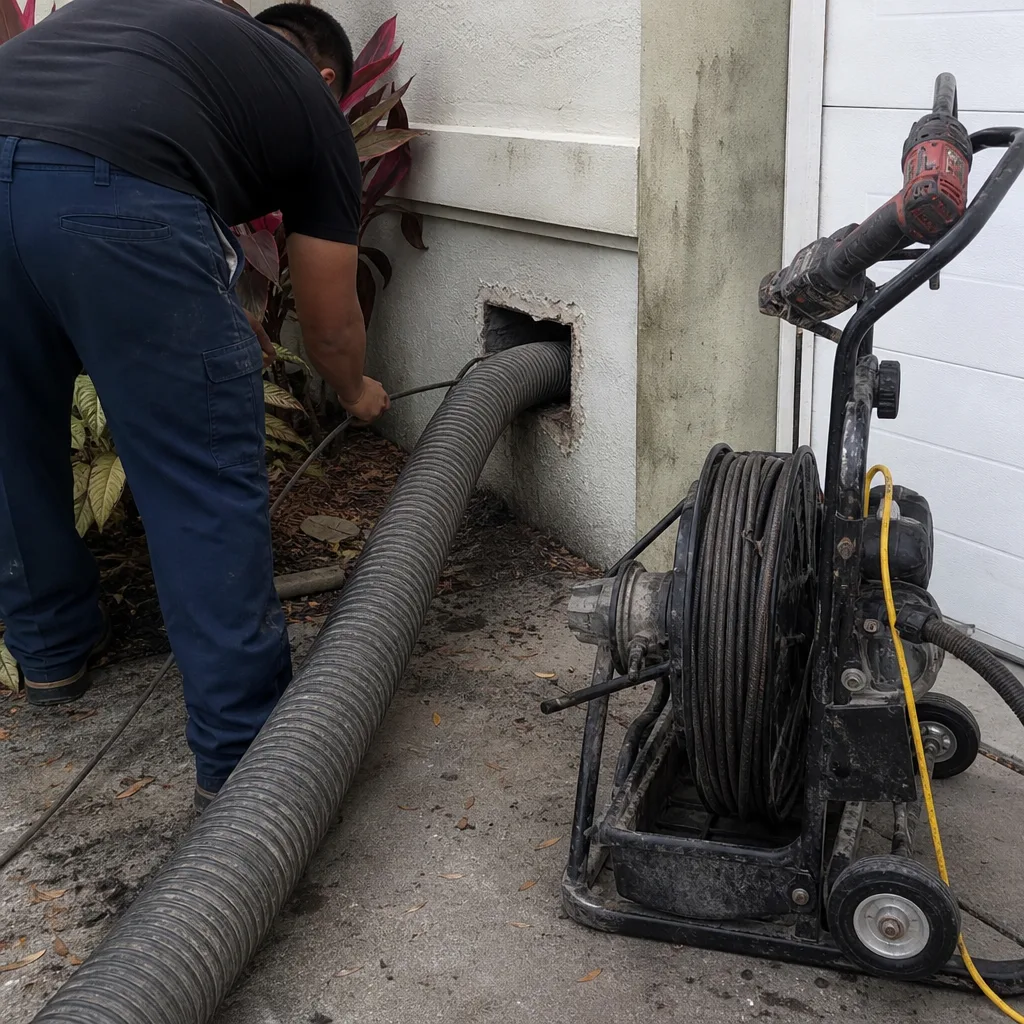 Before
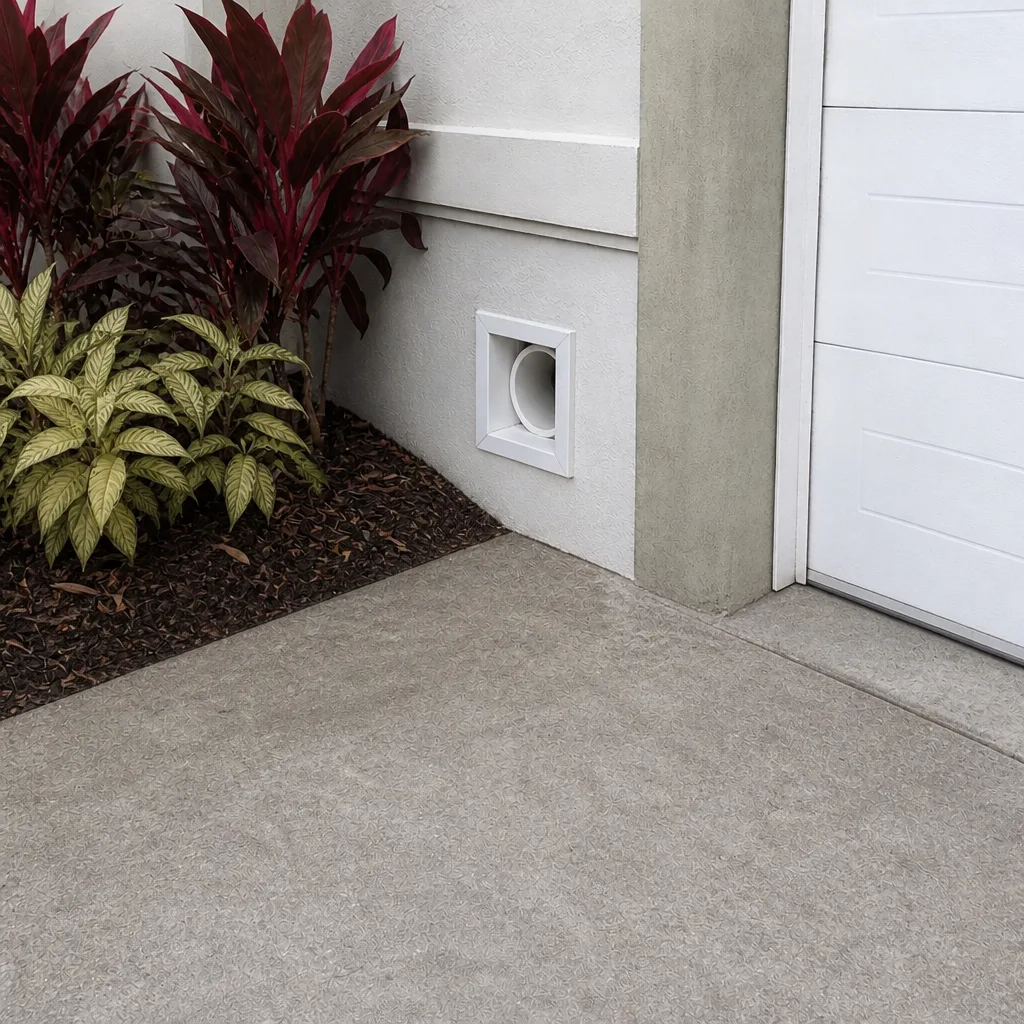 After