
Last updated November 16, 2026
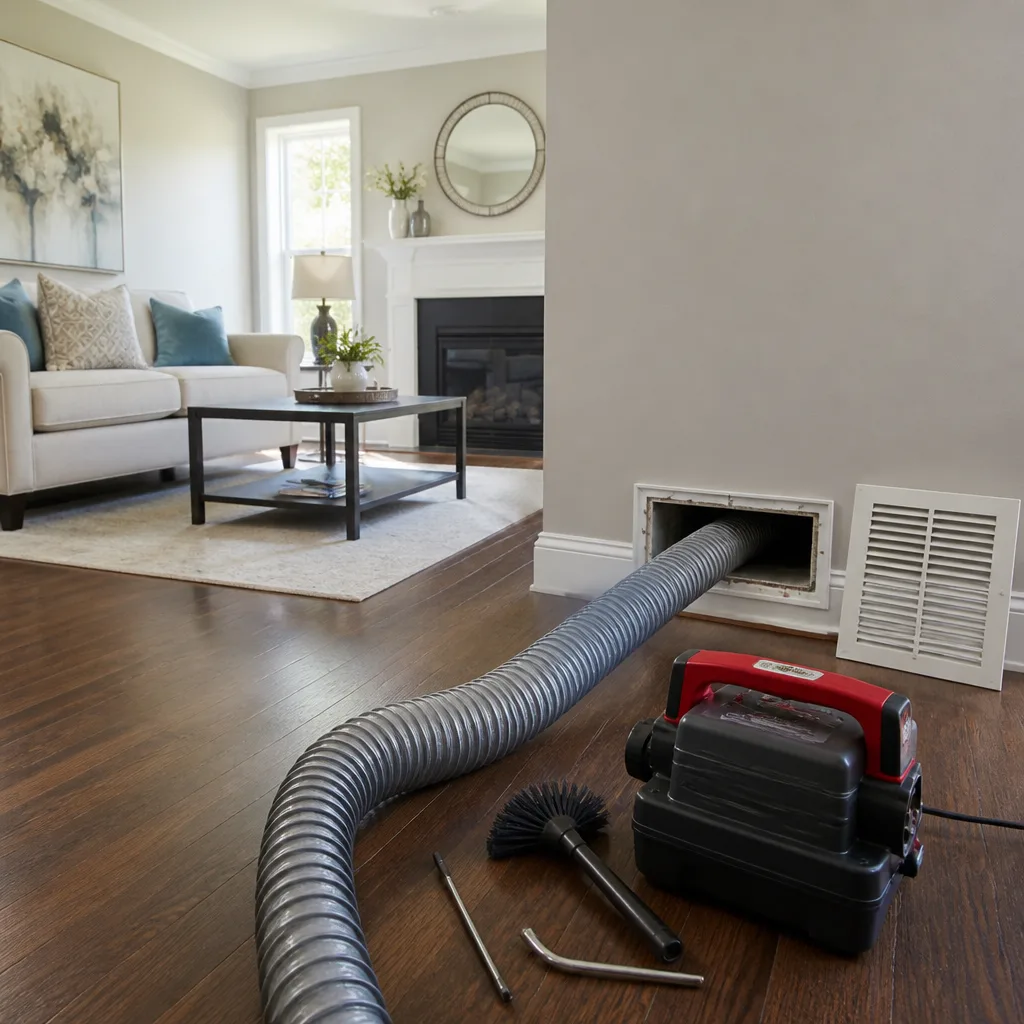 Whole-home duct cleaning
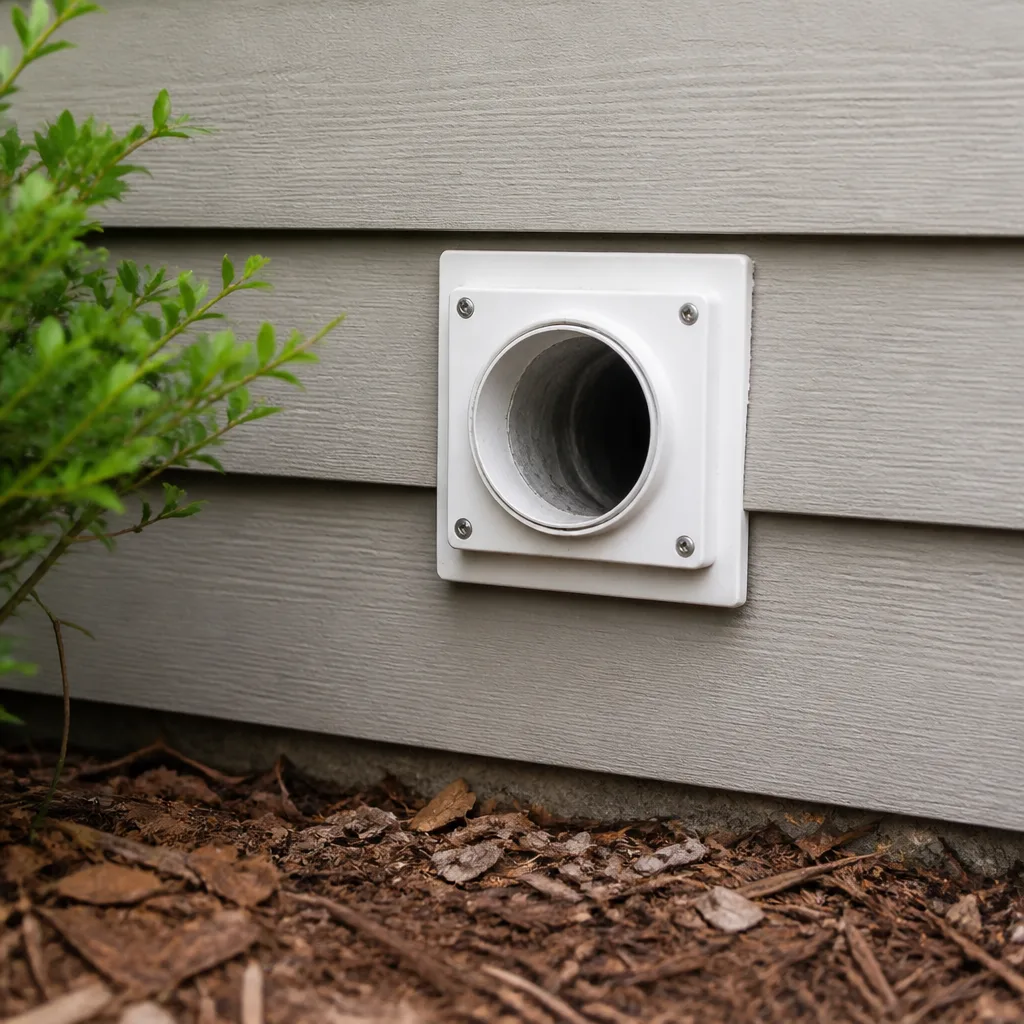 Dryer vent cleaning
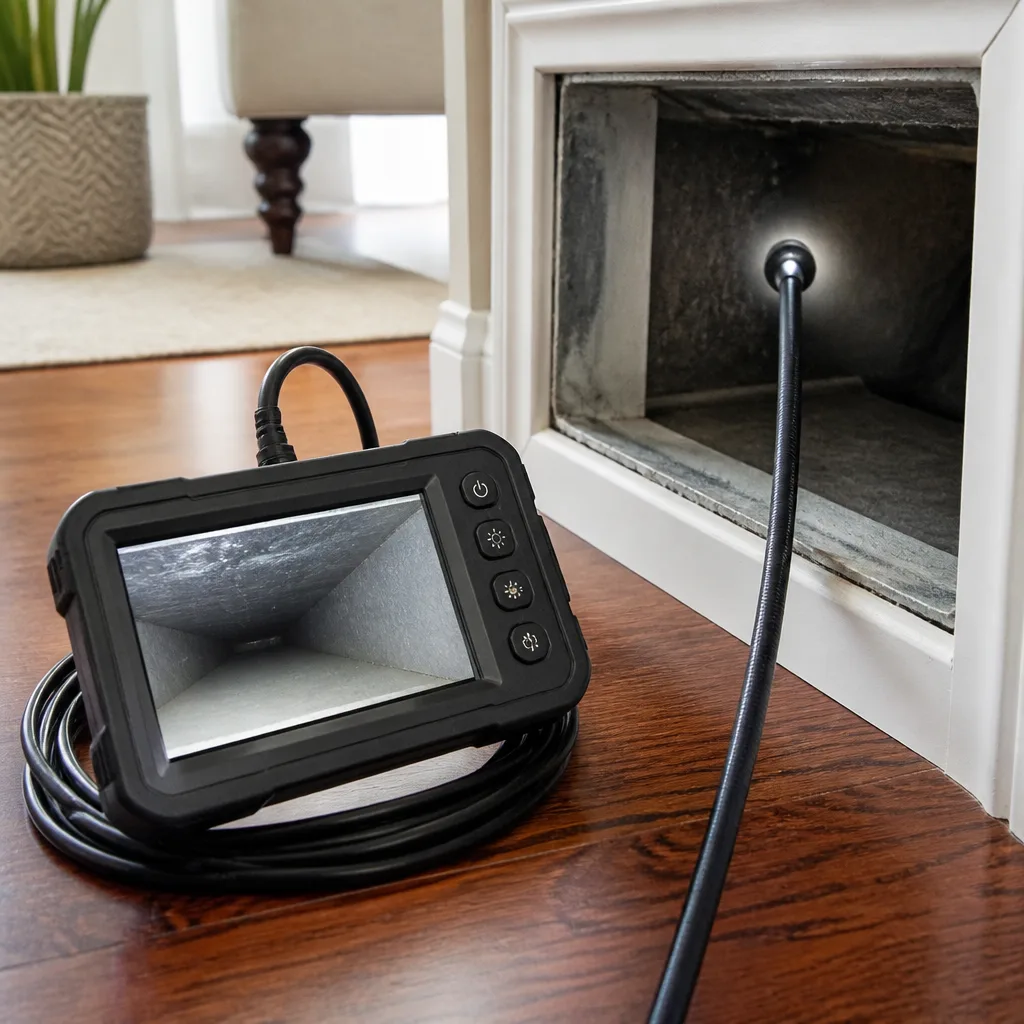 Camera inspection
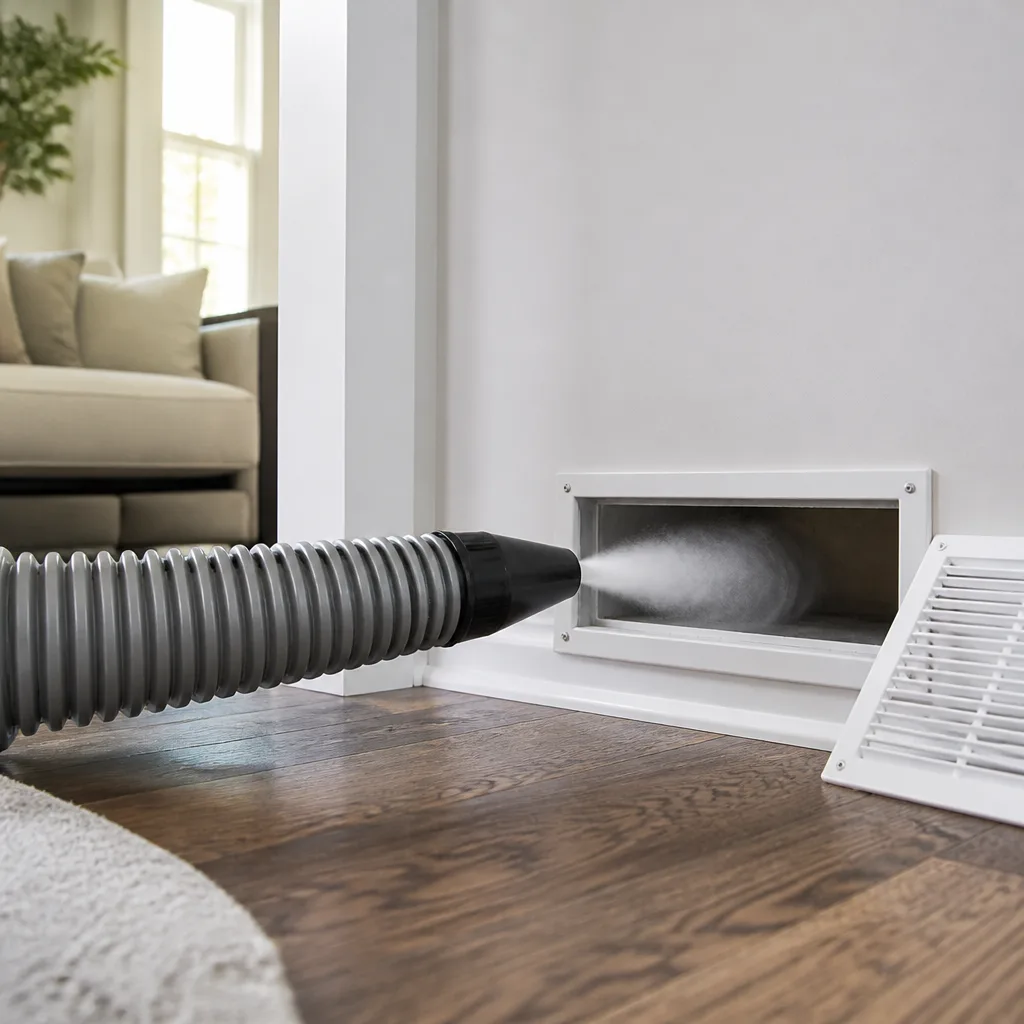 Sanitizing & deodorizing
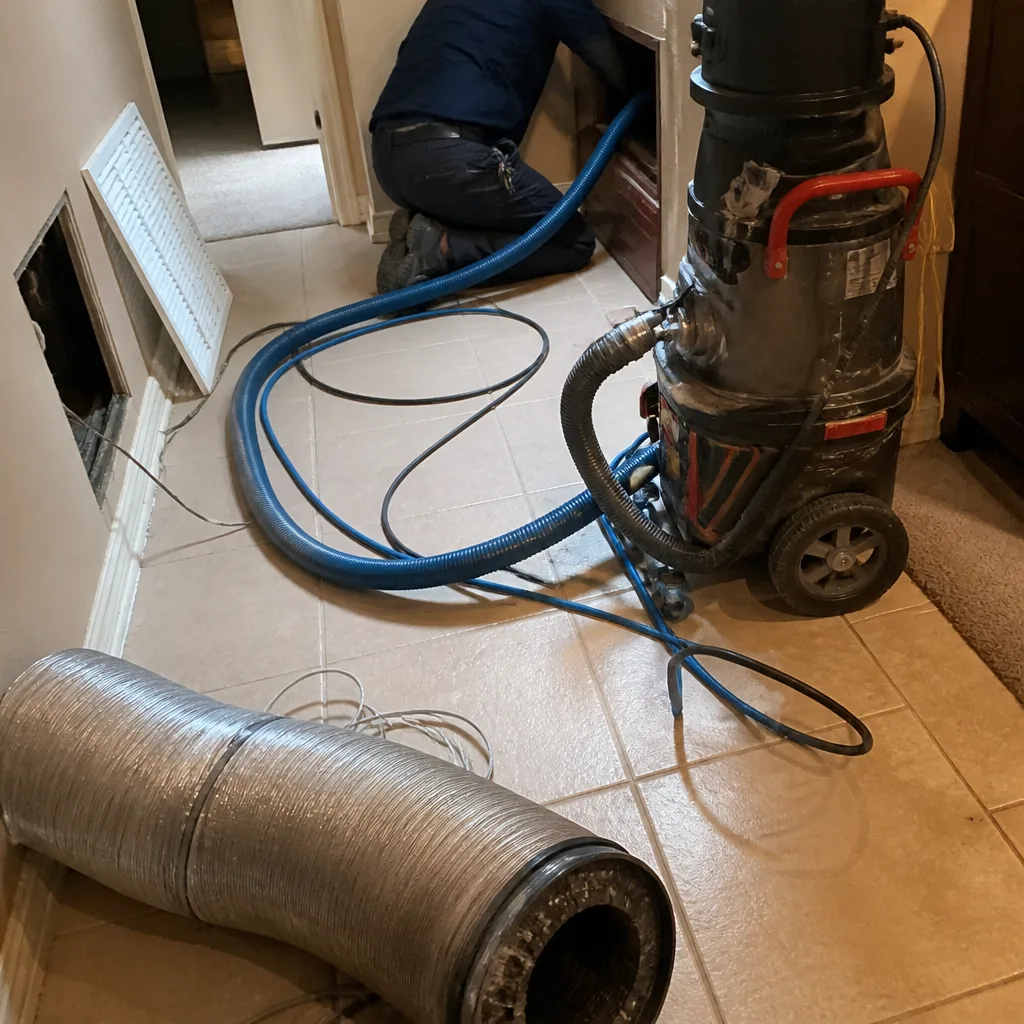
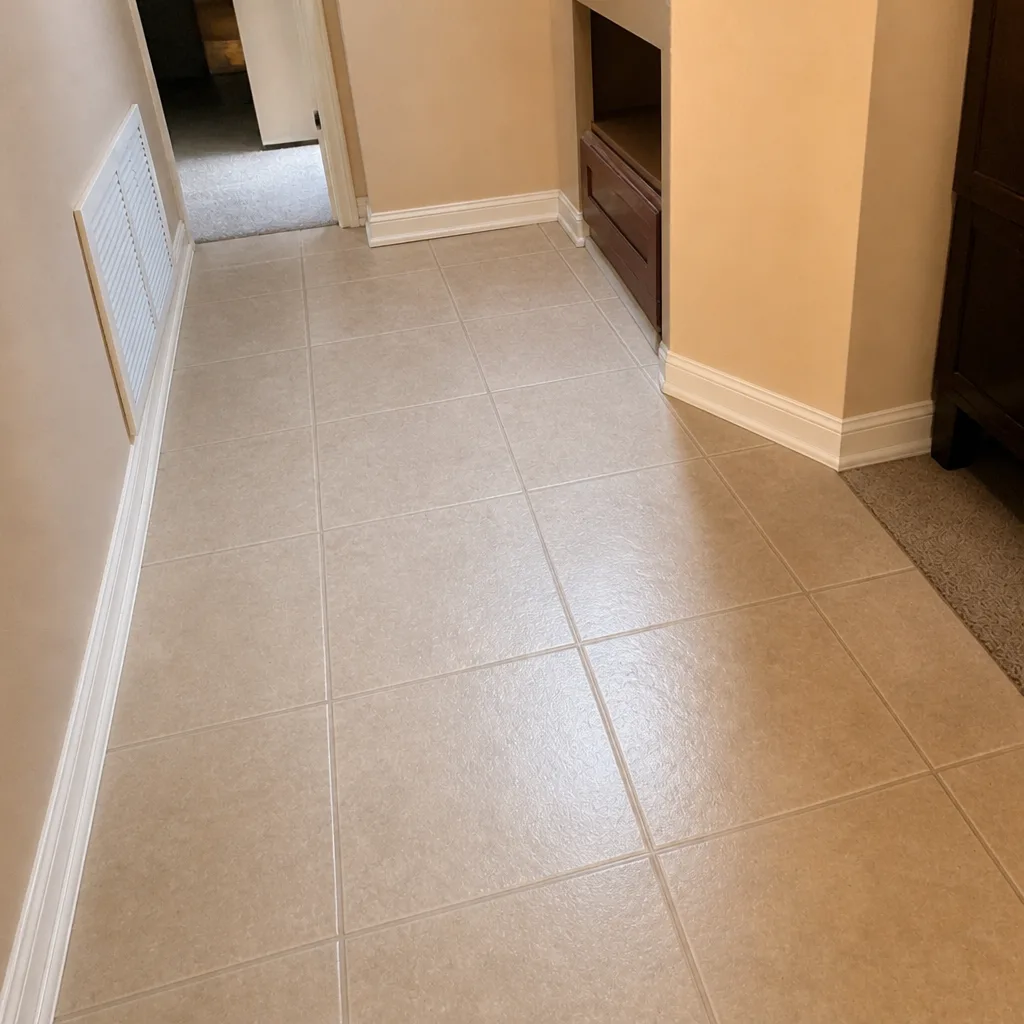
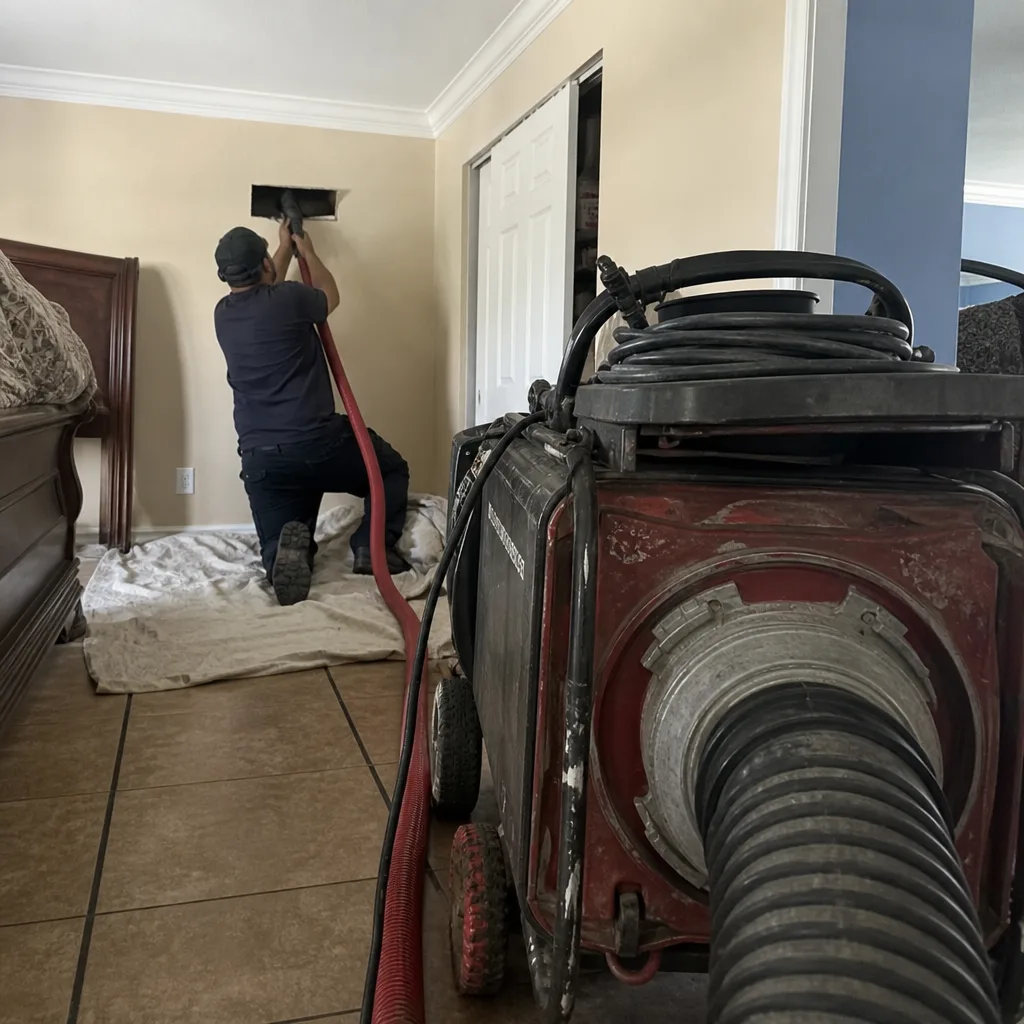
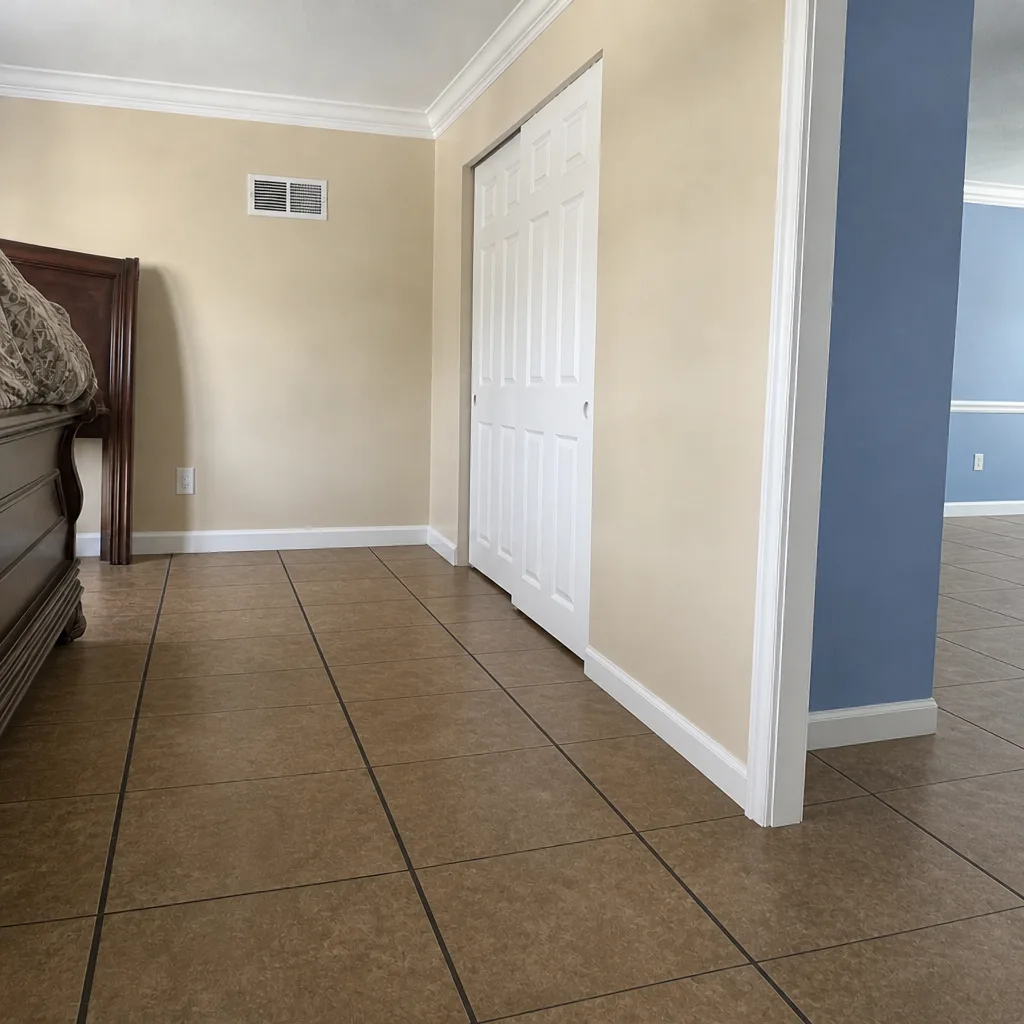
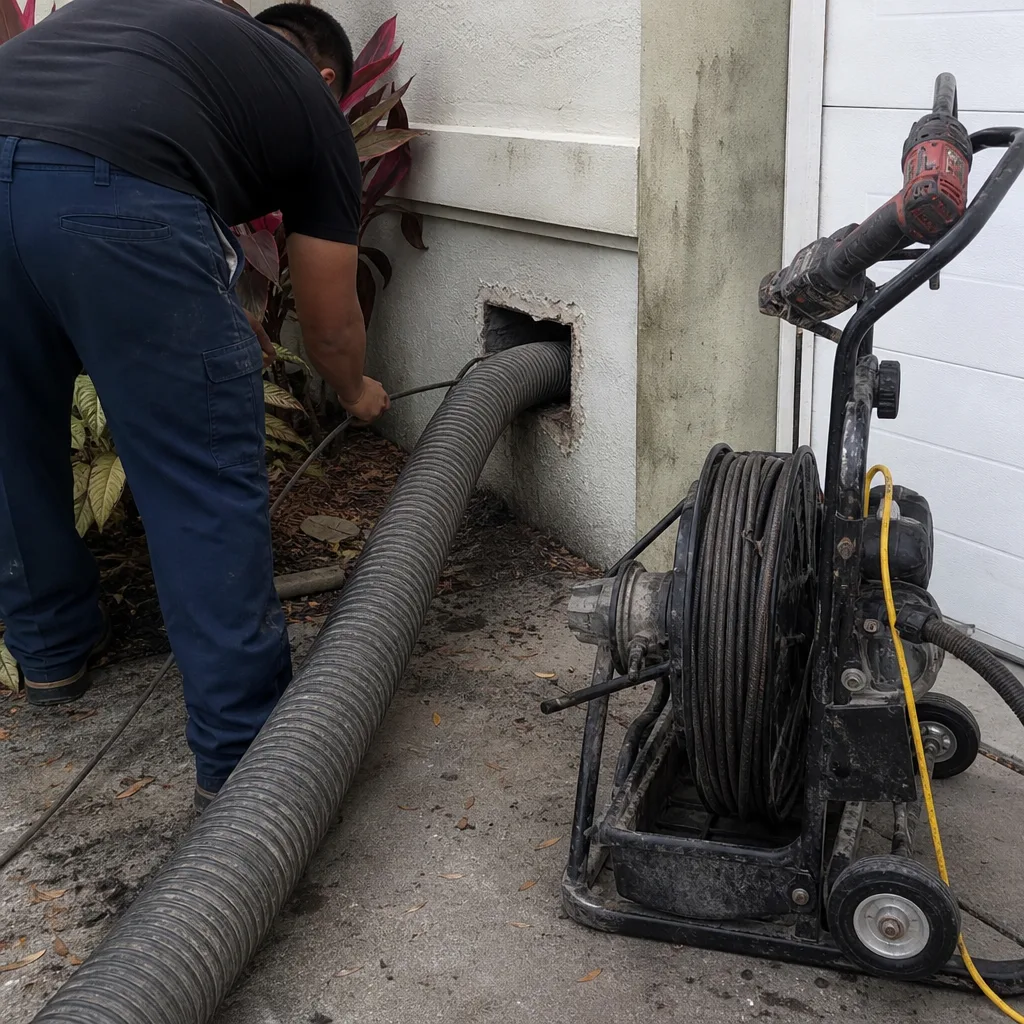
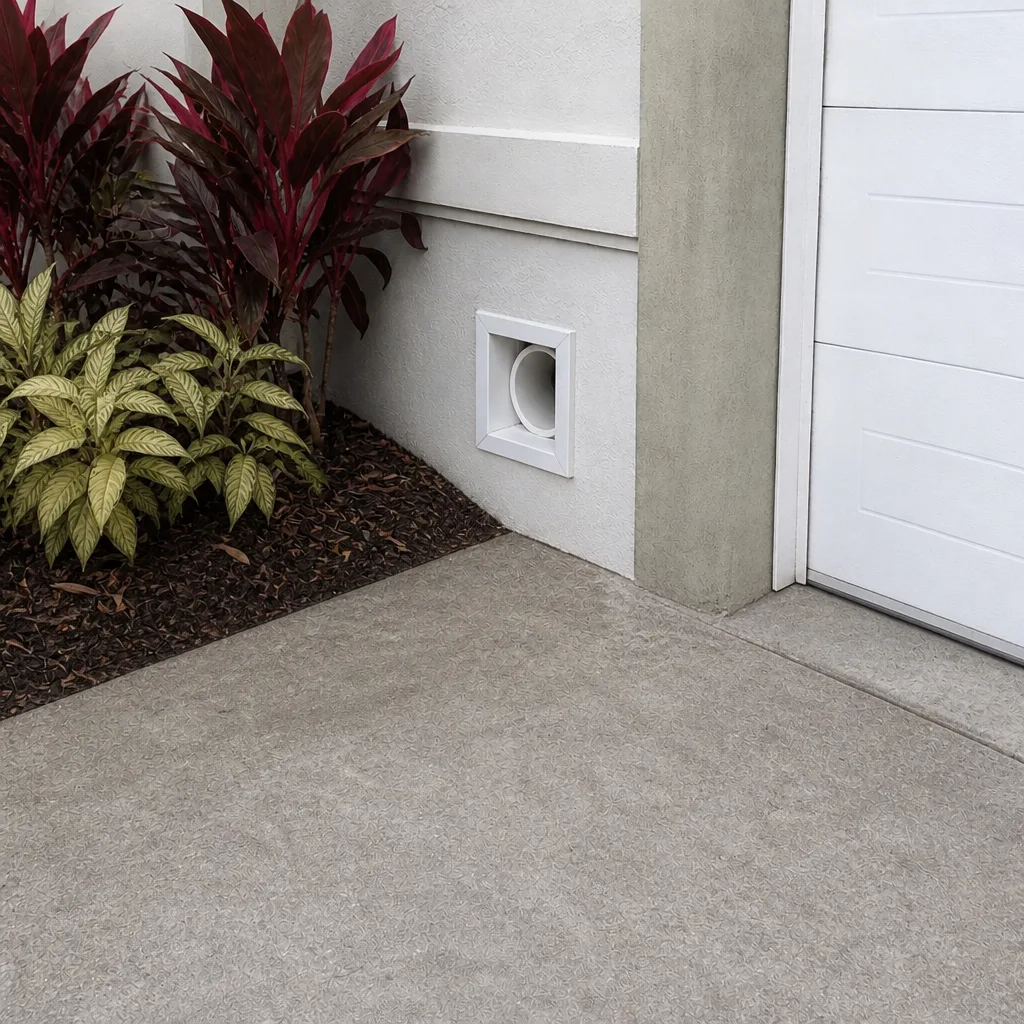
Whole-system duct and dryer vent check with before-and-after photos - you see exactly what came out of your vents
That "$99 whole-house special" is a bait ad - the real number appears once they are in your hallway, or the "clean" is a shop-vac at the register. We photograph the inside of your ducts before and after instead.
Seasonal Air Duct Cleaning Care for Port St. Lucie: Year-Round Homeowner’s Guide
Most duct cleaning advice assumes four equal seasons. Port St. Lucie doesn’t work that way. Your year splits into a wet season that runs roughly late May through October, a dry season that settles in from November, and two short shoulder periods in between where the system shifts gears. Clean your ducts in the wrong phase and you’re cleaning them into a system that immediately pulls the most humid air of the year back through every seam. Time it to the right phase and the results hold far longer. This guide walks through each part of the Port St. Lucie year, what it does to your duct system, and what to actually do about it.
Quick Answer
For most Port St. Lucie homes, the best time to schedule air duct cleaning is late October through November, when humidity drops and the air conditioner starts running less. Do your pre-hurricane-season checks in May or June before storm systems move in. Handle filter changes and register cleaning during the spring and fall shoulder periods. If your home sits empty for months at a time, add a reactivation checklist before you move back in.
Styles & brands we work with
- Whole-home duct cleaning
- Dryer vent cleaning
- Camera inspection
- Sanitizing & deodorizing
Table of Contents
- Why Port St. Lucie Duct Care Doesn’t Follow a Four-Season Calendar
- The Late October Through November Window: Why It’s the Best Time to Clean
- Before Hurricane Season: Protecting Your Ducts from Storm Infiltration
- Dry Season vs. Wet Season: How Dust Loading Changes and What Filters You Need
- Spring Shoulder Period: Coils, Condensate, and Registers
- Snowbird and Seasonal Vacancy: The Reactivation Checklist
- How Often Do Port St. Lucie Ducts Really Need Cleaning?
- Repair What You Find: Why Cleaning Alone Isn’t Always Enough
Why Port St. Lucie Duct Care Doesn’t Follow a Four-Season Calendar
National duct cleaning advice usually says “clean every three to five years” and leaves it there. That calendar was built for places with a heating season and a cooling season of roughly equal length. Port St. Lucie runs its air conditioner for most of the year. From May through October the system is under near-constant load, pulling outdoor air through the return and pushing conditioned air through ducts that sit in hot attic space. From November through April the load drops significantly, and the character of what moves through the ducts changes with it.
That mismatch matters because duct debris isn’t just household dust. In a Port St. Lucie home it’s a mix of:
- Fine outdoor particulate that comes in on footwear, through screens, and around door seals
- Pollen from the seasonal bloom cycles of the region’s trees and grasses
- Pet dander, lint, and skin cells carried on return air
- Moisture-driven biological growth on duct surfaces when humidity climbs and stays high
- Construction dust from nearby new-home building, which is constant across much of the area
Each of those loads differently depending on which phase of the year you’re in. A quarterly reminder on your phone doesn’t account for that. Aligning duct care to the wet season, the dry season, and the two shoulder periods between them does. That’s the whole premise of this guide. If you want the broader picture of what duct cleaning involves before you get into timing, our air duct cleaning page covers the process, equipment, and what technicians actually do on site.
The Late October Through November Window: Why It’s the Best Time to Clean
Late October through November is the single best window for a full duct cleaning in Port St. Lucie. Humidity is falling, the air conditioner is cycling less, and the system won’t immediately pull the rainiest air of the year back through the seams and joints that every duct system has. That combination means the cleaning result holds longer.
The logic is straightforward. When you clean a duct system, the equipment dislodges debris from the inner walls and captures it under negative pressure. The ducts come out clean but they don’t come out sealed. Most residential duct systems have dozens of joints, seams, and register boots that leak small amounts of air. During the wet season, that leakage is humid air. Run a cleaning in July and the system starts drawing wet air through those gaps the moment the blower comes back on. Cleaning in the fall means the system runs in lower-humidity conditions for months, and the clean surfaces stay clean far longer.
The window also works for practical reasons:
- AC load is lower, so the system is off long enough for technicians to work through the whole layout without fighting a running blower
- Fewer storm systems are moving through, so there’s less risk of a scheduling disruption
- Dry season dust loading hasn’t built up yet, so you’re cleaning before the heaviest fine-particle season rather than after it
- Any repairs identified during the cleaning can be finished before the busy holiday stretch
For homes on the western edge of Port St. Lucie near the preserve areas, or in the established neighborhoods off Bayshore Boulevard and Prima Vista, the fall window matters even more. Those homes sit closer to undeveloped land, which adds to the fine outdoor particulate load in the dry months. Cleaning before that load builds up gets you ahead of it.
Before Hurricane Season: Protecting Your Ducts from Storm Infiltration
May and June are the right time to do a pre-hurricane-season check on your duct system. The goal isn’t a full cleaning. It’s making sure that if a storm does push through, your ducts aren’t the weak point that lets water, debris, or outdoor air into the system.
Storm infiltration in a duct system usually comes through four paths:
- Attic duct runs with compromised insulation or jacket damage. If the outer vapor barrier is torn or degraded, wind-driven rain that gets into the attic can reach the duct core. Check the visible runs during late spring.
- Register boots with poor seals around the drywall. A loose boot lets outdoor air bypass the duct entirely. Storm pressure on the building envelope finds those gaps.
- Return plenum joints in the attic or mechanical closet. These are the biggest leaks and the most overlooked.
- Outdoor air intakes on newer construction. Some newer Port St. Lucie homes have dedicated fresh-air intakes. Confirm these have working dampers before storm season.
If any of those are compromised when a storm hits, you can end up with moisture in the duct system afterward – and moisture plus heat plus organic dust is exactly the combination that drives biological growth on duct surfaces. A quick inspection in May catches most of it. If a storm does come through and your home takes on water, get the duct system inspected before you run the air conditioner for any length of time. Soaked insulation inside a duct jacket doesn’t dry out on its own in this climate.
We clean with Rotobrush brush-contact systems and Nikro HEPA vacuums, and use Abatement Technologies negative-air containment to keep dislodged material out of the living space during the work. That setup matters more after a storm than at any other time. If you’re not sure whether your ducts took on water, we can look and tell you plainly. Call (866) 502-9547 to schedule an inspection.
Dry Season vs. Wet Season: How Dust Loading Changes and What Filters You Need
The character of what loads your return air filter changes with the season. Adjusting to that is one of the simplest things a Port St. Lucie homeowner can do, and almost nobody does it.
Wet Season (roughly late May through October)
Rain compacts and washes down the coarse outdoor particulate. What comes into the house is finer stuff – mold spores, fine plant particulate, and the moisture that carries them. Biological growth on a damp filter is the real risk in this phase. A filter left in place too long during the wet season can start to smell musty. That smell is a signal, not a nuisance.
During the wet season, use a filter with an appropriate MERV rating for your system’s capacity and change it on the shorter end of the recommended interval. Not because it’s physically clogged, but because the wet-season filter is the one most likely to support growth.
Dry Season (roughly November through April)
The dust changes. Grinding, mowing, construction, and general yard work kick up a much higher load of coarse particulate, and there’s less rain to knock it down. The filter in a Port St. Lucie home during the dry season typically loads faster by mass than the same filter in the wet season, even though the AC is running less.
The other dry-season factor is pollen. The area’s trees and grasses produce pulses of pollen through the winter and spring, and a filter that looks fine for weeks can load suddenly during a bloom. Check the filter more frequently during the dry months even if the AC load is low.
If you want a step up, we work with Honeywell and Aprilaire filtration and indoor air quality products. Those lines give you a filter cabinet that takes a deeper filter than a standard 1-inch slot, and the deeper filter has more surface area to load. It’s a reasonable upgrade if you’re already replacing filters frequently. It’s not a substitute for duct cleaning though – a better filter catches more before it reaches the ducts, but it doesn’t clean what’s already on the duct walls.
Spring Shoulder Period: Coils, Condensate, and Registers
The spring shoulder period – roughly March into May – is the window for the maintenance tasks around your duct system rather than inside it. These are the checks most homeowners skip, and they’re the ones that prevent the biggest problems later.
- Inspect the evaporator coil. The coil sits in the air handler right where return air enters. If the coil is fouled with dust, the air is already dirty before it reaches the ducts. A coil inspection does not require duct cleaning, but a fouled coil usually means the ducts are fouled too.
- Check the condensate drain and pan. During the wet season, that drain runs constantly. If it’s clogged or the pan is holding water, you’re creating the one condition that causes most duct moisture problems in Port St. Lucie: standing water in the air handler. Clear the drain and confirm the pan drains fully before the wet season starts.
- Remove and wash register grilles. Grilles act as a coarse filter surface. Take them off, wash them in the sink or outside, and let them dry fully before reinserting. The visible dirt on a grille isn’t a cosmetic issue – it’s the front edge of what’s in the duct behind it.
- Look at register boots and drywall gaps. Any daylight visible around a register boot means the duct is leaking outdoor air into the home. That’s a sealing issue, not a cleaning issue, and it’s fixable.
- Walk the visible duct runs in the attic. Check of the insulation is present, connected, and intact. Look for sagging runs, disconnected joints, and any crushed sections.
Do those five checks before peak season and you’ll catch most duct problems before they become wet-season problems. If you want the duct system cleaned at the same time, spring works for homes that are already clean and just need a maintenance pass. For a first cleaning on a home you don’t have a history with, fall is a better call.
Snowbird and Seasonal Vacancy: The Reactivation Checklist
A home that sits empty through the summer is a different duct cleaning problem than an occupied one. In Port St. Lucie, that’s a large share of the housing stock, and the seasonal vacancy pattern creates issues most checklists ignore.
When a house is closed up through the wet season, three things happen inside the duct system:
- The air goes stagnant. No occupancy means no return-air cycling, so the moisture that enters the duct system stays put. Stagnant humid air is the growth condition.
- Pests move in. An unused duct system is a quiet, dark, protected space. Rodent activity inside duct systems in vacant homes is common and usually shows up as droppings, nesting material, or chewed insulation in the register boots and near the air handler.
- The AC may not be running at all. If the thermostat was set way up or the system was shut down, the house went through the wet season with no dehumidification at all.
The Reactivation Checklist
Before you move back into a Port St. Lucie home that’s been vacant, work through this list:
- Open the house and let it air out with the AC running in fan-only mode long enough to stabilize the indoor humidity first.
- Replace the filter before the system runs in cooling mode – do not run a full cool cycle on the old filter.
- Remove every register grille and look inside the boot with a flashlight. Look for droppings, nesting material, or visible growth.
- Inspect the air handler, condensate pan, and blower compartment.
- Have the duct system inspected before regular occupancy. If there’s pest activity or visible growth, cleaning and possibly repair are the right response, not just a filter change.
- Check the dryer vent at the same time. A vacant house means dryers haven’t run, but the vent can collect from a season of non-use, and lint buildup is a fire risk. Our dryer vent cleaning service handles that as part of a reactivation visit.
- Once everything is inspected and cleaned, replace the filter again, and mark the date on the filter frame so you know where the clock started.
The reactivation checklist is one of the cases where a pre-visit call helps. Tell us the home was vacant and when, and we’ll structure the visit around what we’re most likely to find.
How Often Do Port St. Lucie Ducts Really Need Cleaning?
Three to five years is a reasonable general interval for a typical Port St. Lucie home, but the real answer depends on your specific situation. Here’s how to tighten that range:
| Situation | Typical cleaning interval |
|---|---|
| Occupied home, no pets, no allergy concerns | 4-5 years |
| Occupied home with pets or allergy sufferers | 3 years |
| Home near active construction | 2-3 years |
| Home vacant for part of the year | Before each occupancy |
| Smoker household or heavy cooking smoke | 2-3 years |
| Recent water intrusion or storm damage | Immediately, after the event |
Those are typical figures, not hard rules. The honest answer is that intervals are set by what’s actually in the ducts when a technician looks. That’s why we don’t quote per-vent pricing or a teaser coupon rate. Cleaning is priced per system based on what the system actually is, and the written estimate sets the final price. You know the number before anyone starts work, and we take before-and-after photos of your own ducts so you can see what came out.
Repair What You Find: Why Cleaning Alone Isn’t Always Enough
Most duct cleaning crews can clean. Fewer can repair. When a duct system has been running in a humid, high-load climate for years, the problems that show up during a cleaning are usually not only dirt.
The repairs a cleaning visit typically identifies in Port St. Lucie homes include:
- Disconnected or separated duct joints where the takeoff came loose from the trunk
- Torn or missing insulation on attic runs
- Crushed or sagging flex duct from age, weight, or a previous contractor’s shortcut
- Loose or poorly sealed register boots
- Duct runs that were never properly sized or that were rerouted awkwardly during an addition
Those aren’t cleaning problems. A duct that’s disconnected from the trunk pulls air from the attic into the house, which in this climate means hot humid air and whatever else the attic holds. Cleaning the system without fixing the connection means the dirt comes right back. That’s why we treat duct repair as a core service, not an add-on. One crew, one visit, and the system leaves in better condition than it started – not just cleaner, but actually working as designed.
If the duct system in your Port St. Lucie home is older or has been modified, the cleaning visit is the right time to find out what’s actually there. We’ll walk the system and tell you what needs attention. For a broad look at what we cover, our Hometown Air Duct Cleaning page lays out all three services: cleaning, repair, and dryer vent work.
Common Mistakes to Avoid
- Scheduling a full cleaning in July or August. Peak wet season is when your freshly cleaned system pulls the most humid air of the year right back through every duct seam. Wait for fall, or schedule a targeted inspection instead.
- Skipping the pre-hurricane check in May. It’s easy to think “nothing happened last year.” But storm infiltration usually shows up as a problem after a storm passes, and by then the ducts have done a season of damage.
- Running the same filter interval year round. Wet-season filters need a shorter interval because of growth risk, and dry-season filters load faster by mass because of coarse particulate. Adjust to the season.
- Assuming short or cheap cleaning visits are equivalent. If a quote seems significantly lower than others, ask what tools they’ll use. Brush contact and HEPA capture cost more than a blower-and-vacuum pass. The tools do the work.
- Not checking the dryer vent on the same visit. Lint buildup in a dryer vent is a fire hazard, and it’s the cheapest thing to add to a duct cleaning appointment while everything else is already out. Don’t leave it for a separate visit.
- Ignoring a musty smell after a rain event. Wet-season musty odors in a Port St. Lucie home often trace back to a fouled AC coil or moisture in the duct system. Treating the symptom with air freshener doesn’t fix the source.
- Skipping the vacancy reactivation checklist. A home that sat empty for the wet season can have pest activity or growth in the ducts that a filter change won’t touch. Inspect before you move back in.
See the difference
 Before
 After
 Before
 After
 Before
 After
When to Call a Professional
Call a professional duct technician if you notice any of the following: visible dust streaks or discoloration around register grilles, a musty or stale smell when the AC starts up, worsened allergy symptoms after the system has been running, ice or water in the condensate pan, visible pest activity near the air handler, or a home that’s been vacant through a wet season. A duct system that’s been damaged (a torn flex run in the attic, a disconnected joint, a crushed section) needs a repair-capable technician, not just a cleaning visit. That’s the gap between a duct cleaner and a duct specialist. Hometown Air Duct Cleaning offers free estimates throughout Port St. Lucie – call (866) 502-9547. We answer 24/7. Fast dispatch from 7am to 7pm, Sunday through Friday.
Frequently Asked Questions
Late October through November is the best window. Humidity is dropping, the air conditioner is cycling less, and the cleaned ducts won’t immediately draw wet-season air back through the seams. If you have to schedule during the wet season, a targeted inspection is often a better fit than a full cleaning. Call (866) 502-9547 for an exact quote – estimates are free.
Pricing depends on the size and condition of the system, which is why we don’t quote a per-vent price. We give one flat price per system based on the actual layout, and the written estimate sets the final price. There’s no bait-and-switch coupon rate followed by a bigger invoice. Call (866) 502-9547 and we’ll walk through what a cleaning for your home actually involves.
Usually it’s the equipment. Cleaning with brush-contact tools and HEPA capture is more labor-intensive than running a blower and vacuum through the system, so a cheap quote often reflects a cheaper method. Ask what tools a company will use before you decide. If the answer is vague, that tells you something. Call (866) 502-9547 to talk through what a real cleaning involves for your system.
Ask for before-and-after photos of your own ducts. That’s the simplest verification, and it’s standard on our visits. You should also see the truck-mounted equipment on site and hear what the technician found in the system. Call (866) 502-9547 and ask what documentation you’ll receive.
Most Port St. Lucie homes don’t need annual cleaning, but the interval depends on pets, occupants, nearby construction, and vacancy patterns. Homes with pets, allergy sufferers, or ongoing construction usually need cleaning every two to three years. Homes that sit empty through the wet season should have the system inspected before each occupancy. Call (866) 502-9547 to discuss your specific situation.
Yes, in two ways. Higher humidity supports biological growth on duct surfaces, especially where moisture enters through leaks or a fouled condensate system. And during peak wet season, the air conditioner is drawing the most humid outdoor air of the year – some of which enters through duct leaks. That’s why fall cleaning in Port St. Lucie outperforms wet-season cleaning on results that hold.
The Bottom Line
Port St. Lucie runs on two main seasons – wet and dry – with two shoulder periods that matter more than most homeowners realize. Late October through November is the best window for a full cleaning because humidity drops and the system runs cleaner for longer. May and June are for pre-hurricane checks. Spring shoulder is for coils, condensate, and registers. Fall shoulder is for filter switches and register cleaning. And if the home sits empty through a wet season, run the reactivation checklist before you move back in. Change your filter to match the season, not a generic reminder on your phone. When you’re ready to schedule, call (866) 502-9547 for a free estimate from Hometown Air Duct Cleaning.
We serve homes across Port St. Lucie, and we know what a duct system in this climate actually looks like when it’s been neglected through a full wet season. Our technicians have up to 15 years of experience, and we use the same Rotobrush, Nikro, and Abatement Technologies equipment that certified restoration crews use. Licensed & insured, one flat price per system agreed before work starts, before-and-after photos on every job. One crew, one visit, and a system that actually works the way it’s supposed to. Call (866) 502-9547. We answer 24/7. Fast dispatch from 7am to 7pm, Sunday through Friday.
Written by the team at Hometown Air Duct Cleaning.